THE ADVENTURE COLLECTIVE® · Independent discovery and booking for outdoor travel
Fast-track Mughal history in 48 hours: fly Pune–Delhi, drive to Agra, watch the Taj at sunset from Mehtab Bagh, visit the Taj Mahal and Agra Fort, then return. Ideal for travelers who want maximum cultural payoff with minimal transit fuss.
Fast-track Mughal history in 48 hours: fly Pune–Delhi, drive to Agra, watch the Taj at sunset from Mehtab Bagh, visit the Taj Mahal and Agra Fort, then return. Ideal for travelers who want maximum cultural payoff with minimal transit fuss.
You land in New Delhi before the sun fully opens and the road to Agra stretches like a promise across the plains; the Yamuna slips beside the highway, daring you to slow and look back. By late afternoon Mehtab Bagh gives a framed view of the Taj Mahal as the marble shifts from ivory to gold — the first chapter of a compact, focused cultural sprint.
Verified experiences and guided adventures in the surrounding area.
Operated by SITA World Tours · Agra, Uttar Pradesh
You land in New Delhi before the sun fully opens and the road to Agra stretches like a promise across the plains; the Yamuna slips beside the highway, daring you to slow and look back. By late afternoon Mehtab Bagh gives a framed view of the Taj Mahal as the marble shifts from ivory to gold — the first chapter of a compact, focused cultural sprint.
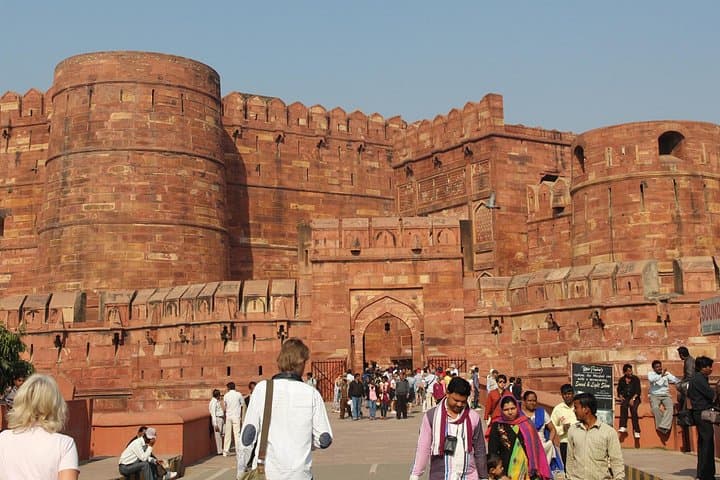
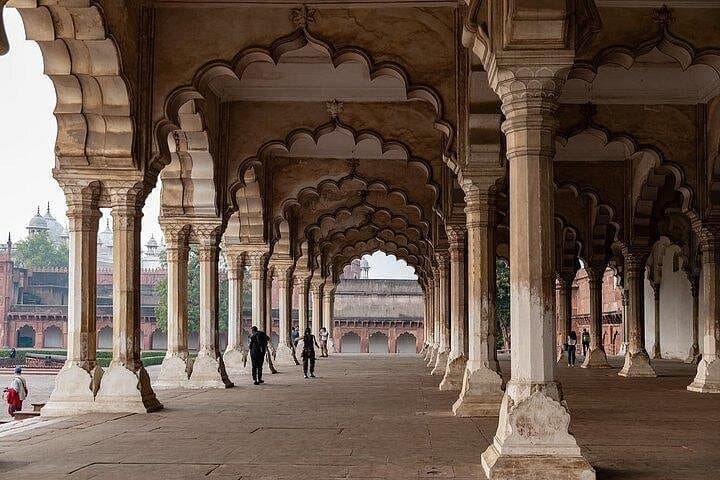
This two-day itinerary compresses Mughal history: Shah Jahan’s white-marble mausoleum and Akbar’s red-sandstone Agra Fort sit within the floodplain geology of the Yamuna, built from Makrana marble and local sandstone. Agra’s streets carry living crafts — pietra dura inlay, stone carvers and markets that reflect the city’s role as an imperial workshop.
Expect guided walks across paved courtyards, steep fort ramps and guarded entrances; the Taj itself closes Fridays and peak mornings draw the largest crowds. Practical rhythm matters: early-morning Taj visits beat heat and haze, while Mehtab Bagh is best at sunset for softer light.
Bring identification for tickets and prepare for security screening; modest clothing speeds entry and shows cultural respect. Hydrate and wear solid walking shoes — surfaces are uneven, steps are frequent. Photography is allowed but tripods and drones are restricted; follow your guide’s directions.
Logistics are straightforward: a short flight from Pune to Delhi, a roughly five-hour drive to Agra, one night in a mid-range hotel and an efficient return via Delhi. For travelers who want concentrated history with minimal transit fuss, this trip pairs iconic vistas with easily managed practicalities.
The Taj Mahal is closed on Fridays for prayers; plan visits on other days and aim for early morning for smaller crowds.
You can tour independently, but a licensed local guide adds historical context and handles ticketing and lines efficiently.
Yes—bag checks, metal detectors and limits on large tripods, food, and certain electronic devices are enforced; follow onsite instructions.
Yes, but children under 15 must be accompanied by an adult; some operators may have age restrictions for flights and hotel arrangements.
SITA World Tours operates guided outdoor trips and adventures with an emphasis on safety, stewardship, and memorable experiences.
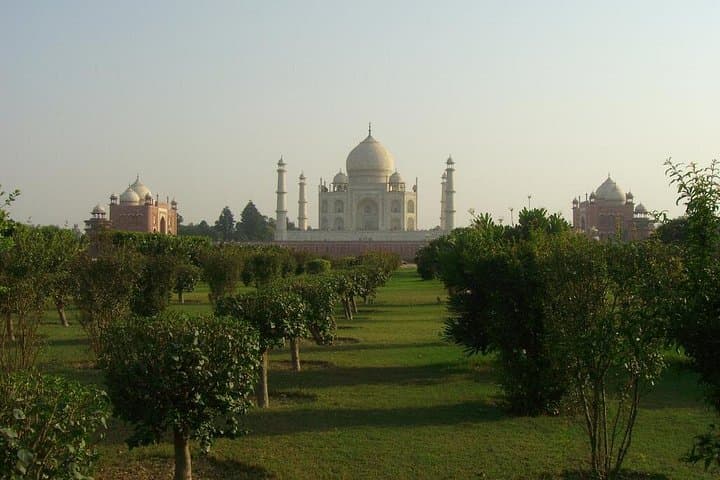
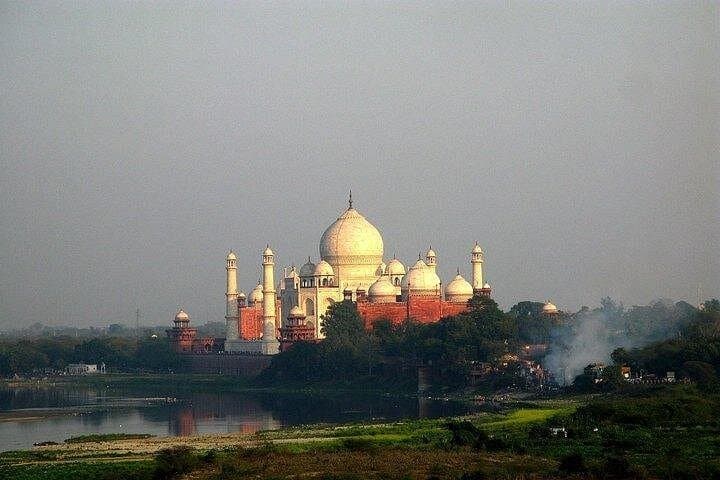
You land in New Delhi before the sun fully opens and the road to Agra stretches like a promise across the plains; the Yamuna slips beside the highway, daring you to slow and look back. By late afternoon Mehtab Bagh gives a framed view of the Taj Mahal as the marble shifts from ivory to gold — the first chapter of a compact, focused cultural sprint.
You land in New Delhi before the sun fully opens and the road to Agra stretches like a promise across the plains; the Yamuna slips beside the highway, daring you to slow and look back. By late afternoon Mehtab Bagh gives a framed view of the Taj Mahal as the marble shifts from ivory to gold — the first chapter of a compact, focused cultural sprint.
This two-day itinerary compresses Mughal history: Shah Jahan’s white-marble mausoleum and Akbar’s red-sandstone Agra Fort sit within the floodplain geology of the Yamuna, built from Makrana marble and local sandstone. Agra’s streets carry living crafts — pietra dura inlay, stone carvers and markets that reflect the city’s role as an imperial workshop.
Expect guided walks across paved courtyards, steep fort ramps and guarded entrances; the Taj itself closes Fridays and peak mornings draw the largest crowds. Practical rhythm matters: early-morning Taj visits beat heat and haze, while Mehtab Bagh is best at sunset for softer light.
Bring identification for tickets and prepare for security screening; modest clothing speeds entry and shows cultural respect. Hydrate and wear solid walking shoes — surfaces are uneven, steps are frequent. Photography is allowed but tripods and drones are restricted; follow your guide’s directions.
Logistics are straightforward: a short flight from Pune to Delhi, a roughly five-hour drive to Agra, one night in a mid-range hotel and an efficient return via Delhi. For travelers who want concentrated history with minimal transit fuss, this trip pairs iconic vistas with easily managed practicalities.
