THE ADVENTURE COLLECTIVE® · Independent discovery and booking for outdoor travel

Spend two days moving from the Taj Mahal’s dawn glow to Agra Fort’s red sandstone halls, capped by a local cultural show and craft demonstrations. This compact itinerary blends sunrise views, Mughal history and hands-on cultural experiences.
Spend two days moving from the Taj Mahal’s dawn glow to Agra Fort’s red sandstone halls, capped by a local cultural show and craft demonstrations. This compact itinerary blends sunrise views, Mughal history and hands-on cultural experiences.
Dawn at the Taj Mahal is slow and deliberate: light slides up the white marble, the Yamuna nudges the gardens below, and the crowd hushes as the mausoleum reveals its scale.
Verified experiences and guided adventures in the surrounding area.
Operated by Padma Holidays · Agra, Uttar Pradesh
Dawn at the Taj Mahal is slow and deliberate: light slides up the white marble, the Yamuna nudges the gardens below, and the crowd hushes as the mausoleum reveals its scale.
This two-day itinerary moves between that sunrise hush and the louder chapters of Mughal history. Day one covers the Taj Mahal and Agra Fort—red sandstone ramparts that record centuries of conquest and craft. Evening brings Mahtab Garden’s soft light and a cultural show that frames Mughal stories with music, dance and local narration. On day two the tour visits Itmad-ud-Daula (the “Baby Taj”), then continues to Fatehpur Sikri, Akbar’s deserted capital where Buland Darwaza and the Jama Masjid articulate imperial ambition in stone.
Geology here is plain: the Taj’s marble came from Makrana; surrounding structures use locally quarried sandstone, and the Yamuna’s floodplain shaped settlement and sightlines. Cultural insights are close to the surface—marble carving, hand-knotted carpets, and culinary Mughlai techniques offered as live demonstrations during the tour.
Practical guidance: expect roughly a 250 km drive from New Delhi to Agra (about 3–4 hours one way), an early start for the Taj at sunrise, and security checks at monuments—carry ID and printed or mobile tickets. Dress modestly for mosque areas, wear comfortable walking shoes, and plan for heat in summer; mornings and late afternoons are best for photos. The itinerary balances big sights with curated cultural stops, making it suitable for travelers seeking history, craft demonstrations and straightforward logistics across two compact days.
Yes—monument entrance passes are included with the tour option; confirm which ticket type applies to foreign nationals.
The road distance is about 250 km and generally takes 3–4 hours each way depending on traffic and stops.
Most cultural shows are family-friendly but check the program content and start time—evening shows can run after dark.
Hotel/airport pickup and drop-off in Delhi are included as stated in the itinerary for the tour option.
Padma Holidays operates guided outdoor trips and adventures with an emphasis on safety, stewardship, and memorable experiences.

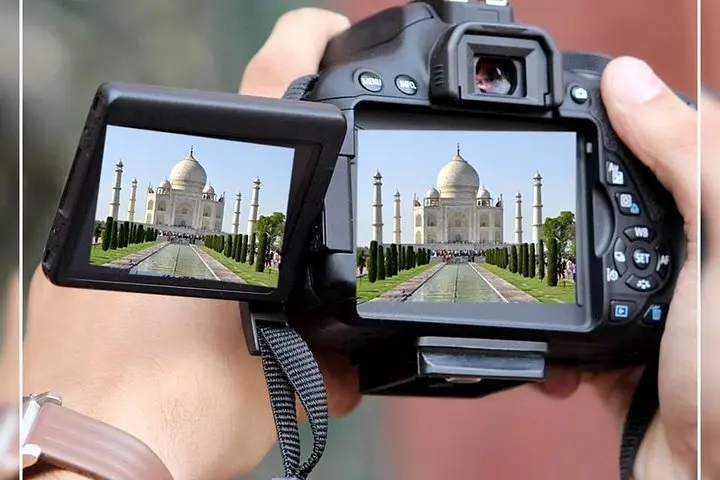
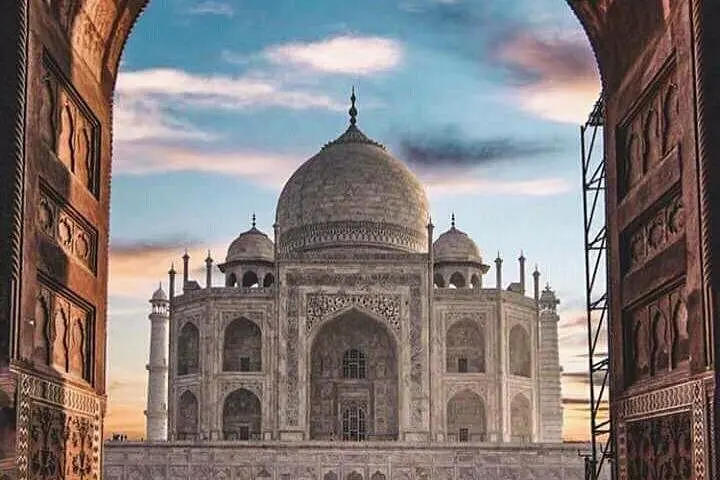
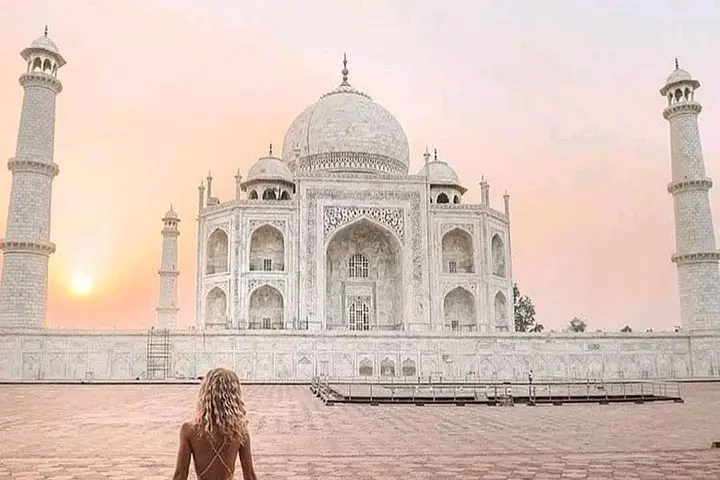
Dawn at the Taj Mahal is slow and deliberate: light slides up the white marble, the Yamuna nudges the gardens below, and the crowd hushes as the mausoleum reveals its scale.
Dawn at the Taj Mahal is slow and deliberate: light slides up the white marble, the Yamuna nudges the gardens below, and the crowd hushes as the mausoleum reveals its scale.
This two-day itinerary moves between that sunrise hush and the louder chapters of Mughal history. Day one covers the Taj Mahal and Agra Fort—red sandstone ramparts that record centuries of conquest and craft. Evening brings Mahtab Garden’s soft light and a cultural show that frames Mughal stories with music, dance and local narration. On day two the tour visits Itmad-ud-Daula (the “Baby Taj”), then continues to Fatehpur Sikri, Akbar’s deserted capital where Buland Darwaza and the Jama Masjid articulate imperial ambition in stone.
Geology here is plain: the Taj’s marble came from Makrana; surrounding structures use locally quarried sandstone, and the Yamuna’s floodplain shaped settlement and sightlines. Cultural insights are close to the surface—marble carving, hand-knotted carpets, and culinary Mughlai techniques offered as live demonstrations during the tour.
Practical guidance: expect roughly a 250 km drive from New Delhi to Agra (about 3–4 hours one way), an early start for the Taj at sunrise, and security checks at monuments—carry ID and printed or mobile tickets. Dress modestly for mosque areas, wear comfortable walking shoes, and plan for heat in summer; mornings and late afternoons are best for photos. The itinerary balances big sights with curated cultural stops, making it suitable for travelers seeking history, craft demonstrations and straightforward logistics across two compact days.