THE ADVENTURE COLLECTIVE® · Independent discovery and booking for outdoor travel

Spend two days tracing the Khmer Empire’s great temples and the living waterways of Tonle Sap. This private tour pairs sunrise at Angkor with a visit to Banteay Srei and a floating village to show both monument and daily life.
Spend two days tracing the Khmer Empire’s great temples and the living waterways of Tonle Sap. This private tour pairs sunrise at Angkor with a visit to Banteay Srei and a floating village to show both monument and daily life.
You step out of the minivan before dawn and the stone faces of Bayon stare back, slow and patient as the morning light slides across bas-reliefs. The air carries river-baked humidity; columns and jungle roots tug at the edges of the old city while the guide translates slabs of carved history into human stories.
Verified experiences and guided adventures in the surrounding area.
Operated by Siem Reap Angkor Travel and Tour · Siem Reap, Siem Reap Province
You step out of the minivan before dawn and the stone faces of Bayon stare back, slow and patient as the morning light slides across bas-reliefs. The air carries river-baked humidity; columns and jungle roots tug at the edges of the old city while the guide translates slabs of carved history into human stories.
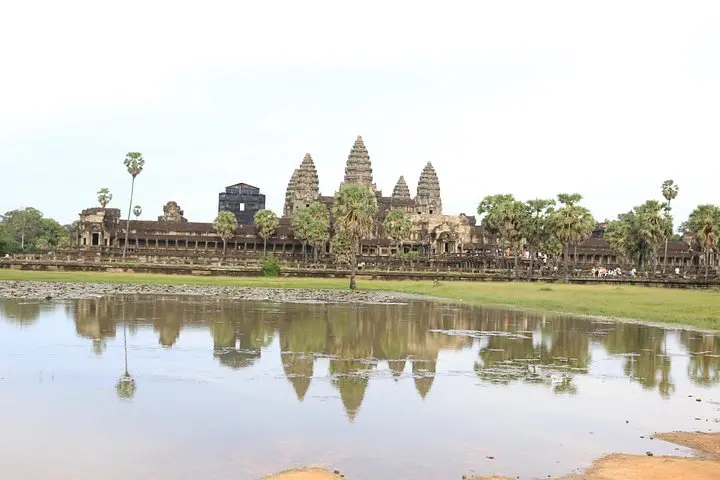
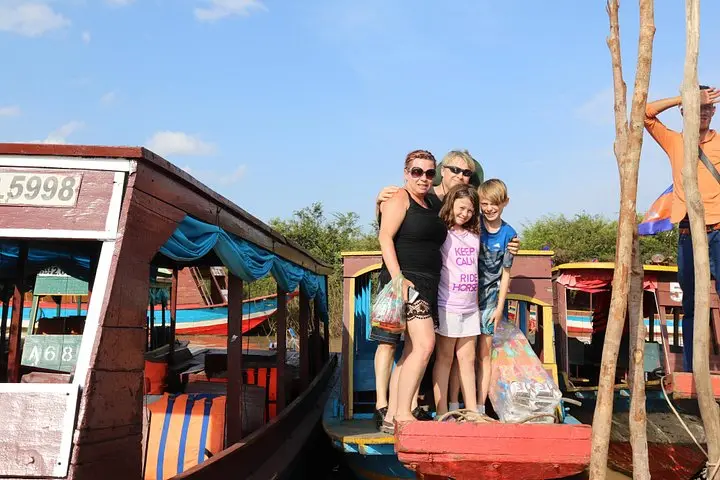
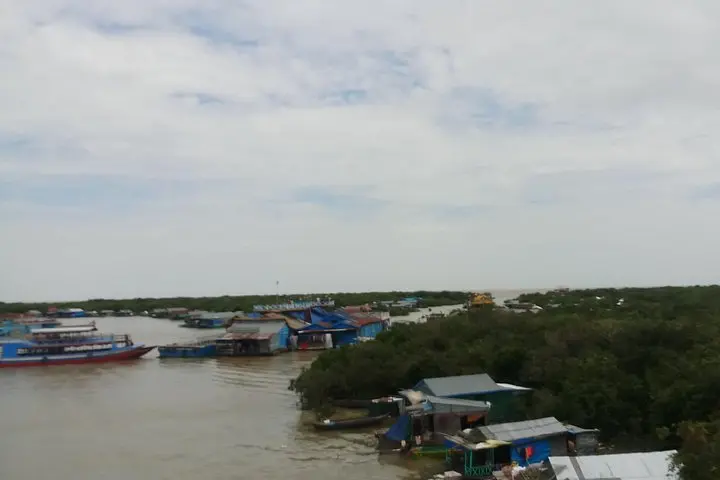
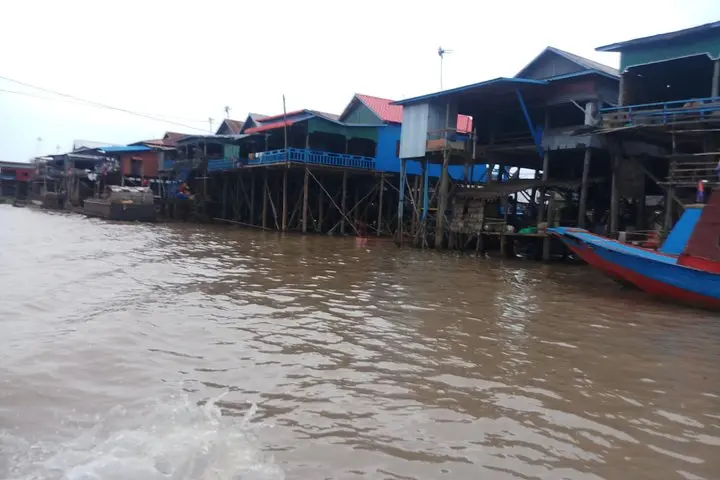
Over two days this private, air‑conditioned tour threads the highlights of the Angkor archaeological park with the quieter human landscape beyond: Angkor Wat’s vast gallery, Ta Prohm’s fig roots that seem to be slowly folding stone into earth, and Angkor Thom’s terraces of carved elephants. On day two you travel farther to Banteay Srei, the 10th‑century “Ladies’ Temple” known for its rose‑colored sandstone and intricate carving, then visit a palm‑sugar co‑op before the waterborne life of Tonle Sap’s floating villages. The lake pushes and retracts seasonally, turning whole communities into waterfront neighborhoods of bamboo boats, fish pens and floating markets.
History here is tangible—temples from the Khmer Empire, irrigation-engineered reservoirs and living traditions of fishing and sugar production. Geology is equally plain in the pink sandstone, laterite blocks and alluvial plains fed by the Mekong’s rhythms.
Practical notes: wear sun‑protective clothing and comfortable walking shoes; bring cash for temple fees, market purchases and tips. Expect uneven steps and short walks of a few hours each day; the tour is wheelchair accessible for vehicle transport but some temple areas have stairs. Plan sunrise at Angkor or sunset at Tonle Sap for light that makes the stone sing.
Entrance fees are generally paid separately at the Angkor ticket office; confirm with the operator whether they are included or require reimbursement.
Yes—villages are visitable year‑round, but the water level changes dramatically: boats are essential in the wet season and walkable causeways appear in the dry season.
Yes—the private tour and English‑speaking guide can usually arrange meals to accommodate vegetarian or other dietary requests with advance notice.
Transportation is wheelchair accessible, but many temple grounds have steps and uneven surfaces; contact the operator to plan accessible routes and assistance.
Siem Reap Angkor Travel and Tour operates guided outdoor trips and adventures with an emphasis on safety, stewardship, and memorable experiences.
You step out of the minivan before dawn and the stone faces of Bayon stare back, slow and patient as the morning light slides across bas-reliefs. The air carries river-baked humidity; columns and jungle roots tug at the edges of the old city while the guide translates slabs of carved history into human stories.
You step out of the minivan before dawn and the stone faces of Bayon stare back, slow and patient as the morning light slides across bas-reliefs. The air carries river-baked humidity; columns and jungle roots tug at the edges of the old city while the guide translates slabs of carved history into human stories.
Over two days this private, air‑conditioned tour threads the highlights of the Angkor archaeological park with the quieter human landscape beyond: Angkor Wat’s vast gallery, Ta Prohm’s fig roots that seem to be slowly folding stone into earth, and Angkor Thom’s terraces of carved elephants. On day two you travel farther to Banteay Srei, the 10th‑century “Ladies’ Temple” known for its rose‑colored sandstone and intricate carving, then visit a palm‑sugar co‑op before the waterborne life of Tonle Sap’s floating villages. The lake pushes and retracts seasonally, turning whole communities into waterfront neighborhoods of bamboo boats, fish pens and floating markets.
History here is tangible—temples from the Khmer Empire, irrigation-engineered reservoirs and living traditions of fishing and sugar production. Geology is equally plain in the pink sandstone, laterite blocks and alluvial plains fed by the Mekong’s rhythms.
Practical notes: wear sun‑protective clothing and comfortable walking shoes; bring cash for temple fees, market purchases and tips. Expect uneven steps and short walks of a few hours each day; the tour is wheelchair accessible for vehicle transport but some temple areas have stairs. Plan sunrise at Angkor or sunset at Tonle Sap for light that makes the stone sing.