THE ADVENTURE COLLECTIVE® · Independent discovery and booking for outdoor travel

A compact two-day loop through Angkor’s Big and Small Circuits, this tour links Angkor Wat, Ta Prohm and the pink sandstone carvings of Banteay Srei. Start early, carry water, and be prepared for long days of walking across uneven temple stones.
A compact two-day loop through Angkor’s Big and Small Circuits, this tour links Angkor Wat, Ta Prohm and the pink sandstone carvings of Banteay Srei. Start early, carry water, and be prepared for long days of walking across uneven temple stones.
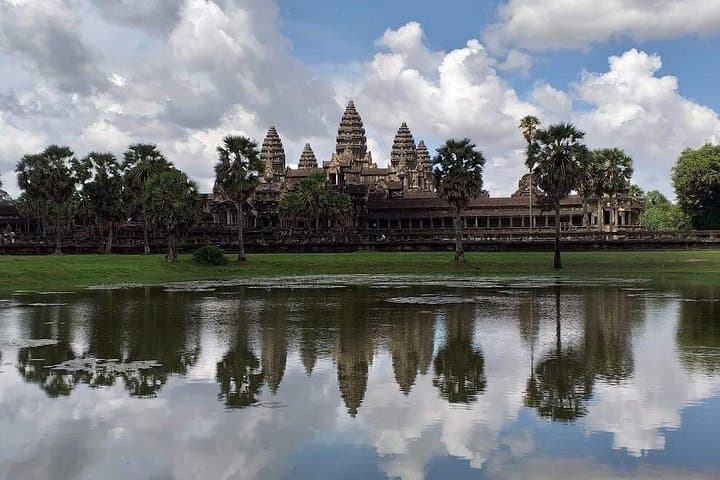
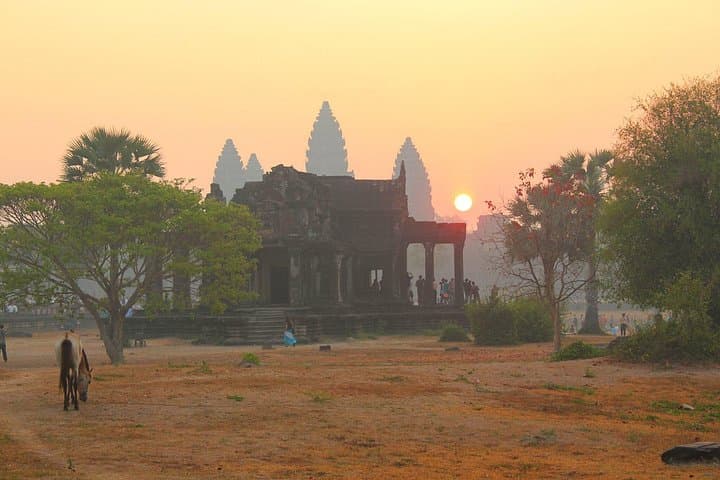
You arrive before dawn: the air is warm and damp, mosquitoes hum at the edges, and the first causeway to Angkor Wat appears like a carved spine against a pale sky. Your guide folds the map into a practiced rhythm — today the Big Circuit; tomorrow the Small Circuit — and the vehicle hums toward a landscape where stone and jungle push at one another.
Verified experiences and guided adventures in the surrounding area.
Operated by Angkor Heritage Tours · Siem Reap, Siem Reap Province
You arrive before dawn: the air is warm and damp, mosquitoes hum at the edges, and the first causeway to Angkor Wat appears like a carved spine against a pale sky. Your guide folds the map into a practiced rhythm — today the Big Circuit; tomorrow the Small Circuit — and the vehicle hums toward a landscape where stone and jungle push at one another.
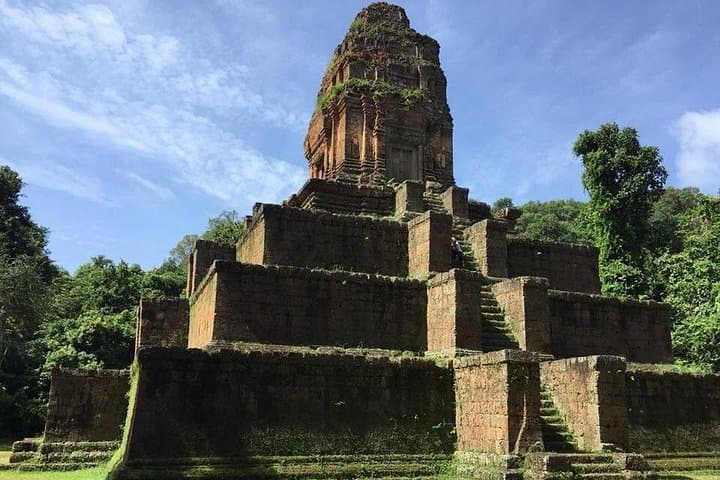
The stones here are records. Angkor Wat (12th century) bears the hallmarks of Suryavarman II’s monumental symmetry; Ta Prohm’s trees have been reclaiming architecture since Jayavarman VII’s 12th-century campaign of Buddhist building; Banteay Srei, cut from pink sandstone, holds carvings so fine they feel almost modern. The Baray reservoirs around these temples are engineered lakes from a civilization that managed water as carefully as kings managed faith.
Culturally the sites remain active places: prayer flags, small shrines, and local vendors thread contemporary life into ancient stones. Geologically the sandstone and laterite respond differently to humidity and roots — expect slick patches and crumbling steps where roots pry mortar loose.
Practical guidance: start early to avoid heat and crowds, carry a refillable water bottle and sun protection, and buy your Angkor Park pass before entry (tickets not included). Wear sturdy closed shoes for uneven stone and tree roots; a light rain shell is useful during sudden tropical showers. Respect temple rules: shoulders and knees covered, no climbing on fragile carvings, and keep voices low inside sanctuaries. Plan for two long days—each day can run 8–10 hours with stops—and budget time for short hikes to hilltop Phnom Bakheng at sunset. With sensible pacing, this two-day loop delivers the architectural highs and quieter corners that make Angkor both awe-inspiring and richly accessible.
No, admission is not included; visitors must buy an Angkor Park pass at the official ticket center before entering the park.
Expect 8–10 hours on each day with intermittent walking between temple complexes; some areas require short climbs and uneven footing.
Infants and small children can join, but the tour is not recommended for people with spinal problems, pregnant travelers, or those with severe mobility limitations due to stairs and uneven terrain.
Dry season (November–February) offers cooler mornings and fewer storms, while early mornings year-round are best for smaller crowds and better light.
Angkor Heritage Tours operates guided outdoor trips and adventures with an emphasis on safety, stewardship, and memorable experiences.

You arrive before dawn: the air is warm and damp, mosquitoes hum at the edges, and the first causeway to Angkor Wat appears like a carved spine against a pale sky. Your guide folds the map into a practiced rhythm — today the Big Circuit; tomorrow the Small Circuit — and the vehicle hums toward a landscape where stone and jungle push at one another.
You arrive before dawn: the air is warm and damp, mosquitoes hum at the edges, and the first causeway to Angkor Wat appears like a carved spine against a pale sky. Your guide folds the map into a practiced rhythm — today the Big Circuit; tomorrow the Small Circuit — and the vehicle hums toward a landscape where stone and jungle push at one another.
The stones here are records. Angkor Wat (12th century) bears the hallmarks of Suryavarman II’s monumental symmetry; Ta Prohm’s trees have been reclaiming architecture since Jayavarman VII’s 12th-century campaign of Buddhist building; Banteay Srei, cut from pink sandstone, holds carvings so fine they feel almost modern. The Baray reservoirs around these temples are engineered lakes from a civilization that managed water as carefully as kings managed faith.
Culturally the sites remain active places: prayer flags, small shrines, and local vendors thread contemporary life into ancient stones. Geologically the sandstone and laterite respond differently to humidity and roots — expect slick patches and crumbling steps where roots pry mortar loose.
Practical guidance: start early to avoid heat and crowds, carry a refillable water bottle and sun protection, and buy your Angkor Park pass before entry (tickets not included). Wear sturdy closed shoes for uneven stone and tree roots; a light rain shell is useful during sudden tropical showers. Respect temple rules: shoulders and knees covered, no climbing on fragile carvings, and keep voices low inside sanctuaries. Plan for two long days—each day can run 8–10 hours with stops—and budget time for short hikes to hilltop Phnom Bakheng at sunset. With sensible pacing, this two-day loop delivers the architectural highs and quieter corners that make Angkor both awe-inspiring and richly accessible.