THE ADVENTURE COLLECTIVE® · Independent discovery and booking for outdoor travel

Watch sunrise at Angkor Wat, scramble among Beng Mealea’s jungle-claimed stones, and ride a private boat through Kampong Khleang on this focused two-day private tour from Siem Reap.
Watch sunrise at Angkor Wat, scramble among Beng Mealea’s jungle-claimed stones, and ride a private boat through Kampong Khleang on this focused two-day private tour from Siem Reap.
At dawn the stones cool beneath your palms and the first light lifts off Angkor Wat’s reflecting pools — a quiet that feels like permission to explore.
Verified experiences and guided adventures in the surrounding area.
Operated by Angkor Wat Travel Tour · Siem Reap, Siem Reap Province
At dawn the stones cool beneath your palms and the first light lifts off Angkor Wat’s reflecting pools — a quiet that feels like permission to explore.
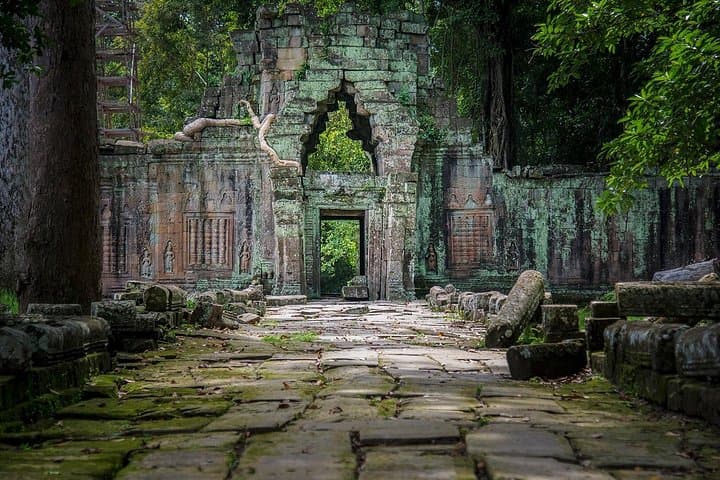
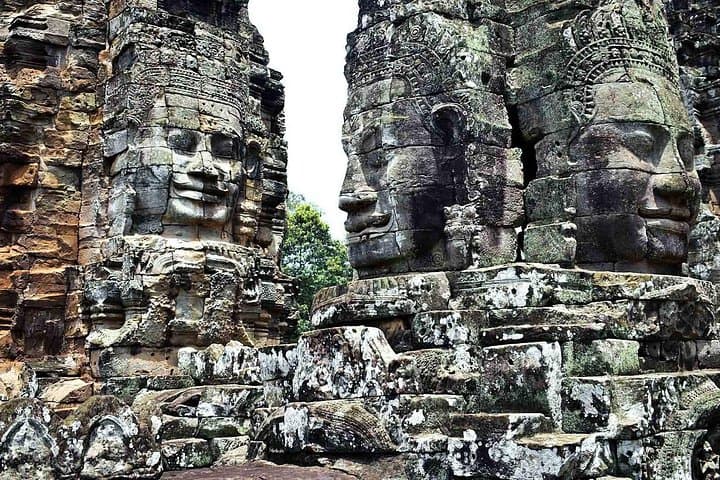
This private two-day tour begins before sunrise with a 4:45 a.m. hotel pickup to watch the temple silhouette fill with color. Day one threads through Angkor Thom’s South Gate, the face-lined towers of Bayon, the elephant and leper king terraces, Ta Prohm’s rooted ruins, and the quieter courtyards of Banteay Kdei. Expect uneven sandstone steps, shallow climbs and long flat walks within the archaeological park (the complex itself spreads over many square kilometers, though main temple circuits are walkable in short sections).
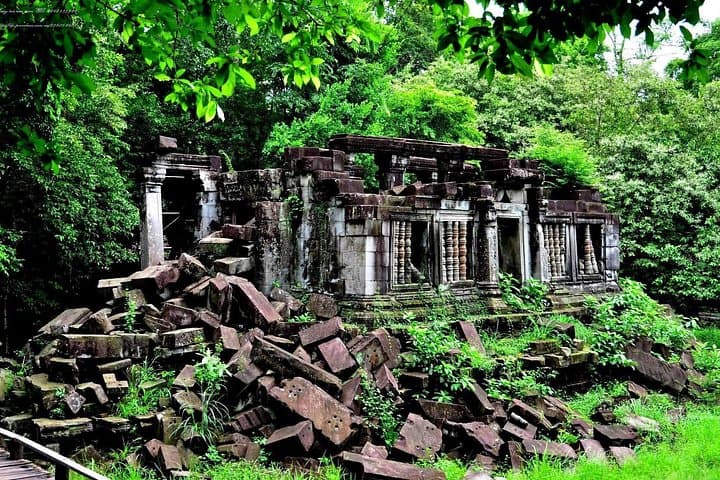
Day two drives roughly 70 km northeast to Beng Mealea — a low, jungle-claimed ruin where moss and banyan roots demand careful footing and invite exploration. In the afternoon you’ll cross Tonle Sap, Southeast Asia’s largest freshwater lake, to visit Kampong Khleang; during high water the village floats and boat access reveals stilt houses, fish pens and seasonal mangrove channels.
Historically these sites map the Khmer empire’s zenith under Jayavarman VII; geologically the region is alluvium over sandstone, which creates the temple’s layered erosion and dramatic root growth. Culturally, guides will explain contemporary village life around the lake and conservation pressures from tourism and water-level changes.
Practical: bring a headlamp for early starts, closed-toe shoes for Beng Mealea, sun protection, refillable water, and modest clothing for temple entry. Expect 2 full days of light hiking, temple scrambling, a 1.5–2 hour boat ride (season dependent), and plenty of photography opportunities.
No — entrance fees to Angkor Archaeological Park are not included; buy a 1- or 3-day pass at the official ticket center near Siem Reap before your visit.
Boat rides typically last 1.5–2 hours but vary by season and water levels; guides will confirm exact duration on day two.
Yes — the itinerary is rated easy to moderate; however Beng Mealea requires cautious movement over uneven ruins and may be hard for very young children or those with mobility limits.
Many nationalities can obtain a visa on arrival or an e-visa in advance; check Cambodia’s current entry requirements for your country before travel.
Angkor Wat Travel Tour operates guided outdoor trips and adventures with an emphasis on safety, stewardship, and memorable experiences.
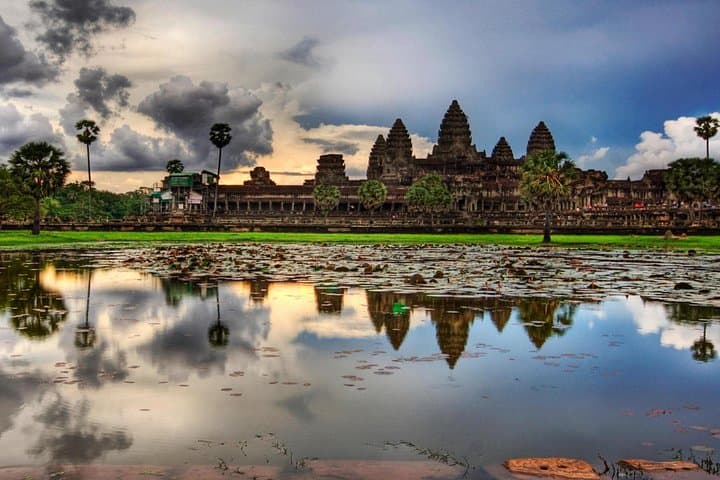
At dawn the stones cool beneath your palms and the first light lifts off Angkor Wat’s reflecting pools — a quiet that feels like permission to explore.
At dawn the stones cool beneath your palms and the first light lifts off Angkor Wat’s reflecting pools — a quiet that feels like permission to explore.
This private two-day tour begins before sunrise with a 4:45 a.m. hotel pickup to watch the temple silhouette fill with color. Day one threads through Angkor Thom’s South Gate, the face-lined towers of Bayon, the elephant and leper king terraces, Ta Prohm’s rooted ruins, and the quieter courtyards of Banteay Kdei. Expect uneven sandstone steps, shallow climbs and long flat walks within the archaeological park (the complex itself spreads over many square kilometers, though main temple circuits are walkable in short sections).
Day two drives roughly 70 km northeast to Beng Mealea — a low, jungle-claimed ruin where moss and banyan roots demand careful footing and invite exploration. In the afternoon you’ll cross Tonle Sap, Southeast Asia’s largest freshwater lake, to visit Kampong Khleang; during high water the village floats and boat access reveals stilt houses, fish pens and seasonal mangrove channels.
Historically these sites map the Khmer empire’s zenith under Jayavarman VII; geologically the region is alluvium over sandstone, which creates the temple’s layered erosion and dramatic root growth. Culturally, guides will explain contemporary village life around the lake and conservation pressures from tourism and water-level changes.
Practical: bring a headlamp for early starts, closed-toe shoes for Beng Mealea, sun protection, refillable water, and modest clothing for temple entry. Expect 2 full days of light hiking, temple scrambling, a 1.5–2 hour boat ride (season dependent), and plenty of photography opportunities.