THE ADVENTURE COLLECTIVE® · Independent discovery and booking for outdoor travel

A compact, two-day expedition to North Africa’s highest peak: start in Imlil, spend a night at the high refuge, and tackle Toubkal at first light for sweeping High Atlas views. Practical, high-altitude trekking with local guides and mule support.
A compact, two-day expedition to North Africa’s highest peak: start in Imlil, spend a night at the high refuge, and tackle Toubkal at first light for sweeping High Atlas views. Practical, high-altitude trekking with local guides and mule support.
Dawn spills cold light across the High Atlas as the minibuses roll out of Marrakech and the road narrows toward Imlil. You feel the valley tighten around you—stone terraces, shepherd dogs, and mule tracks that climb into thinner air. By late afternoon the refuge at 3,206 m sits like a simple outpost beneath the south cirque, wind skirting the ridgelines and the first stars pricking the sky.
Verified experiences and guided adventures in the surrounding area.
Operated by Plan to Morocco · Imlil, Marrakech-Safi
Dawn spills cold light across the High Atlas as the minibuses roll out of Marrakech and the road narrows toward Imlil. You feel the valley tighten around you—stone terraces, shepherd dogs, and mule tracks that climb into thinner air. By late afternoon the refuge at 3,206 m sits like a simple outpost beneath the south cirque, wind skirting the ridgelines and the first stars pricking the sky.
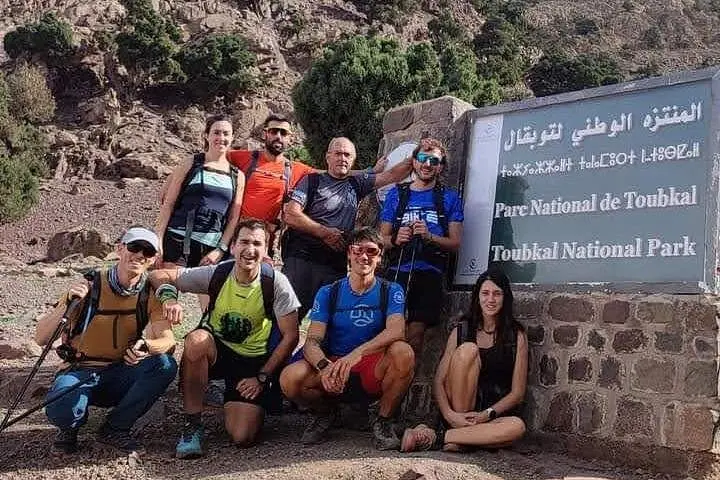
Toubkal (Jebel Toubkal) is the highest peak in North Africa at 4,167 m. Geologically the massif is part of the Atlas orogeny: folded, weathered rock uplifted by the collision of the African and Eurasian plates. Culturally the High Atlas is Berber country; villages such as Imlil and Aremd retain stone houses, terraced fields, and shrines like Sidi Chamarouch that mark long pilgrim routes.
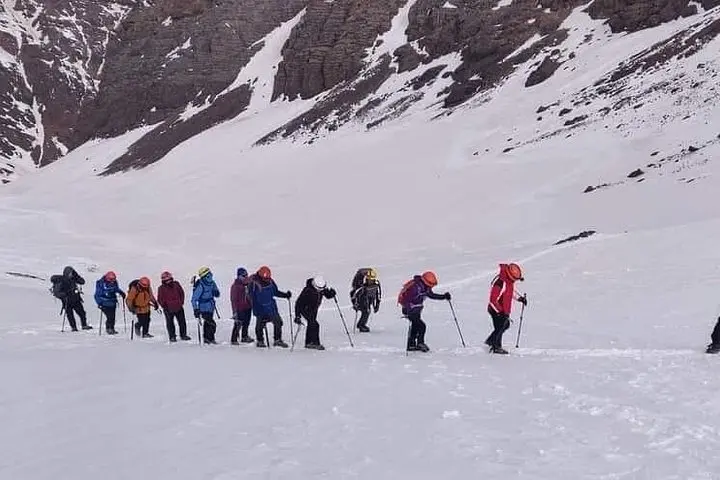
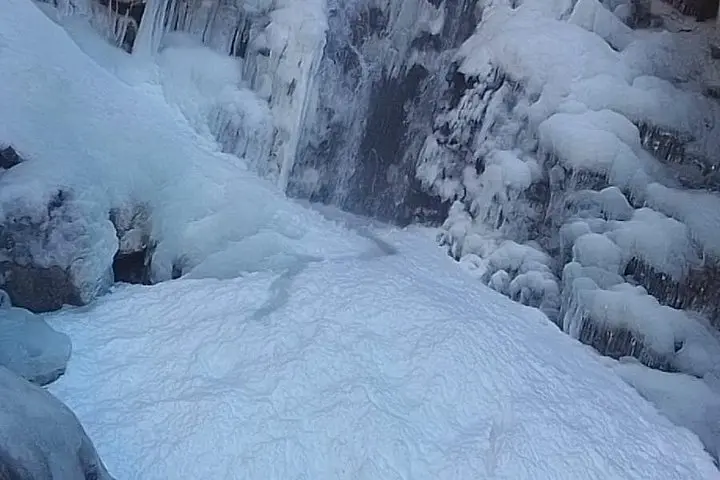
On summit day expect scree slopes, steep zigzags and the physiological challenge of altitude more than technical climbing if you go in summer. In winter, crampons and basic ice-axe skills may be needed. The summit rewards you with open panoramas—Marrakech’s plains to the northwest, and the ragged silhouette of the Anti-Atlas and even a hint of Saharan dunes on clear days.
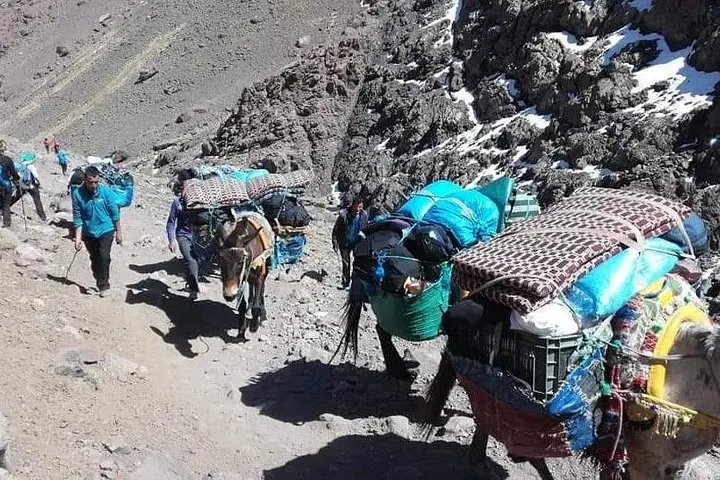
Practical guidance: start early from the refuge to avoid afternoon wind, carry layered clothing for rapid temperature swings, drink steadily to offset altitude effects, and know that the refuge provides simple meals and a bunk. Allow a full day for the summit and a night at altitude to improve success odds. Local guides and mule support are common and recommended for navigation and logistics.
No technical rock-climbing skills are required in summer; the route is a high-altitude trek, though winter conditions may require crampon and ice-axe proficiency.
Refuge nights can be near or below freezing above 3,000 m; summit temperatures can be several degrees below freezing, especially with wind.
Guides are strongly recommended for navigation, safety and logistics; mule support is common for carrying bags and reducing exertion on the ascent day.
While a formal acclimatization schedule isn’t mandatory for a two-day itinerary, a cautious pace, hydration, and the overnight at 3,206 m improve your chances of summit success.
Plan to Morocco operates guided outdoor trips and adventures with an emphasis on safety, stewardship, and memorable experiences.
Dawn spills cold light across the High Atlas as the minibuses roll out of Marrakech and the road narrows toward Imlil. You feel the valley tighten around you—stone terraces, shepherd dogs, and mule tracks that climb into thinner air. By late afternoon the refuge at 3,206 m sits like a simple outpost beneath the south cirque, wind skirting the ridgelines and the first stars pricking the sky.
Dawn spills cold light across the High Atlas as the minibuses roll out of Marrakech and the road narrows toward Imlil. You feel the valley tighten around you—stone terraces, shepherd dogs, and mule tracks that climb into thinner air. By late afternoon the refuge at 3,206 m sits like a simple outpost beneath the south cirque, wind skirting the ridgelines and the first stars pricking the sky.
Toubkal (Jebel Toubkal) is the highest peak in North Africa at 4,167 m. Geologically the massif is part of the Atlas orogeny: folded, weathered rock uplifted by the collision of the African and Eurasian plates. Culturally the High Atlas is Berber country; villages such as Imlil and Aremd retain stone houses, terraced fields, and shrines like Sidi Chamarouch that mark long pilgrim routes.
On summit day expect scree slopes, steep zigzags and the physiological challenge of altitude more than technical climbing if you go in summer. In winter, crampons and basic ice-axe skills may be needed. The summit rewards you with open panoramas—Marrakech’s plains to the northwest, and the ragged silhouette of the Anti-Atlas and even a hint of Saharan dunes on clear days.
Practical guidance: start early from the refuge to avoid afternoon wind, carry layered clothing for rapid temperature swings, drink steadily to offset altitude effects, and know that the refuge provides simple meals and a bunk. Allow a full day for the summit and a night at altitude to improve success odds. Local guides and mule support are common and recommended for navigation and logistics.