THE ADVENTURE COLLECTIVE® · Independent discovery and booking for outdoor travel

Spend two days with Andean communities at the foot of Ausangate: ritual offerings by turquoise lagoons, a 4-hour high-altitude hike among seven vivid lakes, and a guided Quechua star reading beneath some of the clearest skies in the Andes. Ideal for travelers seeking cultural immersion and alpine scenery.
Spend two days with Andean communities at the foot of Ausangate: ritual offerings by turquoise lagoons, a 4-hour high-altitude hike among seven vivid lakes, and a guided Quechua star reading beneath some of the clearest skies in the Andes. Ideal for travelers seeking cultural immersion and alpine scenery.
A cold wind pushes across the high puna as your minivan climbs away from Cusco; mountain ridges fold into one another and the first pale domes of glacial ice appear on the skyline. By dusk you arrive in Pacchanta, a village where adobe cottages and steaming thermal pools sit beneath Ausangate’s white shoulders. That night the Milky Way lays itself across the Andes, and a local guide reads the Quechua constellations — the fox, the flame, the snake — with stories tied to the land.
Verified experiences and guided adventures in the surrounding area.
Operated by Cabtours · Cusco, Cusco Region
A cold wind pushes across the high puna as your minivan climbs away from Cusco; mountain ridges fold into one another and the first pale domes of glacial ice appear on the skyline. By dusk you arrive in Pacchanta, a village where adobe cottages and steaming thermal pools sit beneath Ausangate’s white shoulders. That night the Milky Way lays itself across the Andes, and a local guide reads the Quechua constellations — the fox, the flame, the snake — with stories tied to the land.
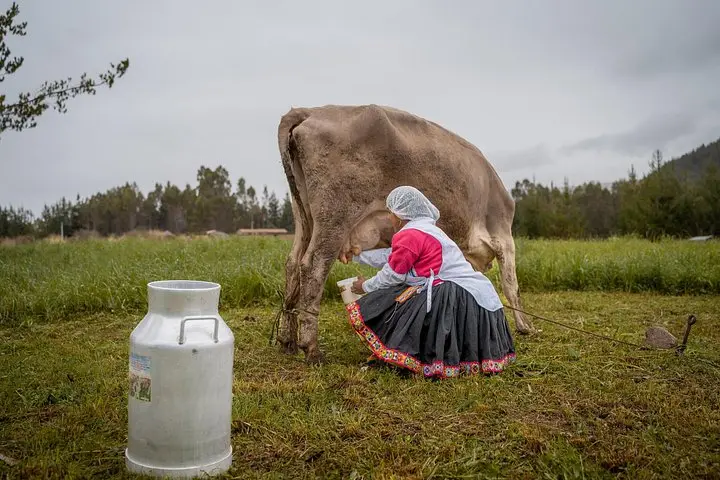
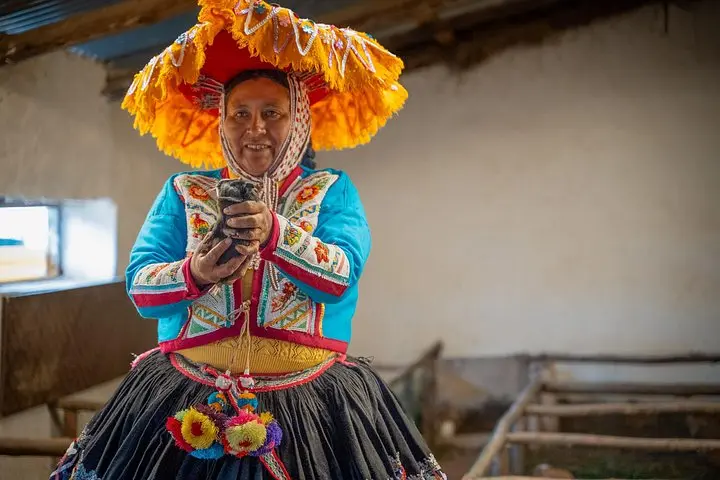
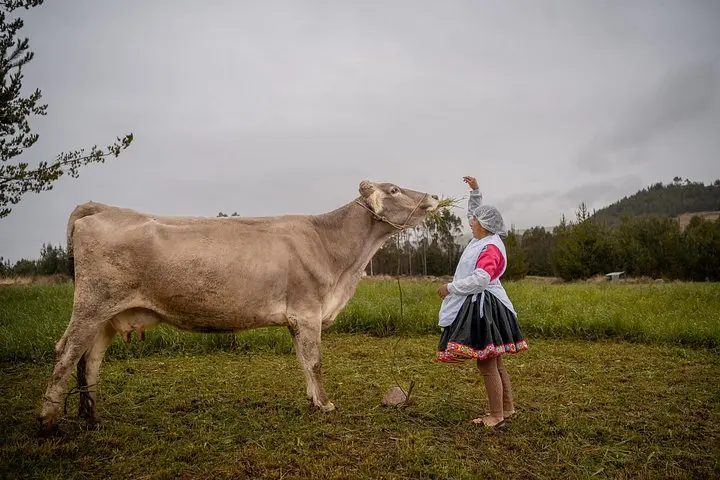
This two-day itinerary threads together culture, geology and astronomy. Ausangate is part of the Vilcanota range: granite cores capped by névé and carved by glacial action into turquoise lagoons. The region’s communities maintain millennial pastoral and weaving traditions; ritual offerings to the Apus (mountain spirits) and Mamacocha (water) remain living practices. Interpretive centers along the route explain charqui (dehydrated meat) and karmu, local foods tied to high-altitude survival.
Practically, expect a 4-hour day-hike across uneven, high-elevation trails to the 7 lagoons, with cumulative elevation gains and thin air — the circuit favors steady pace over speed. Bring layers for sharp temperature swings, sun protection for bright high-altitude days, and at least 2–3 liters of water. Allow time for acclimatization in Cusco before departure, and budget for optional thermal-bath time in Pacchanta after the trek. The experience balances hands-on cultural moments, photography of vivid glacial lakes, and one of the clearest skies in the southern hemisphere for stargazing.
The main hike is about 4 hours along uneven, high-elevation terrain; pace is steady rather than technical, but thin air makes it more strenuous than a sea-level walk.
Possibly — symptoms vary; proper acclimatization in Cusco, gradual exertion, hydration and avoiding alcohol help; guides carry basic first-aid but severe cases require descent.
The tour includes two breakfasts, two lunches, one dinner and one night in a rural house in Pacchanta; local meals feature traditional Andean ingredients.
June–August (dry winter season) offers the clearest nights for astronomy, though days are colder; March–May also provide good conditions after the rains clear.
Cabtours operates guided outdoor trips and adventures with an emphasis on safety, stewardship, and memorable experiences.
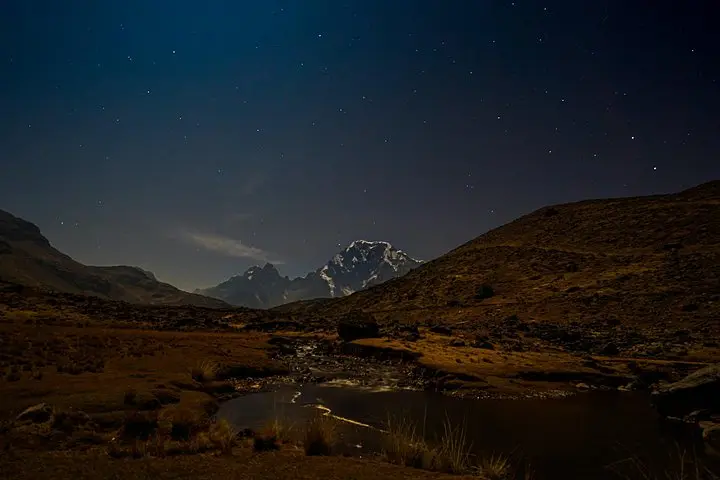
A cold wind pushes across the high puna as your minivan climbs away from Cusco; mountain ridges fold into one another and the first pale domes of glacial ice appear on the skyline. By dusk you arrive in Pacchanta, a village where adobe cottages and steaming thermal pools sit beneath Ausangate’s white shoulders. That night the Milky Way lays itself across the Andes, and a local guide reads the Quechua constellations — the fox, the flame, the snake — with stories tied to the land.
A cold wind pushes across the high puna as your minivan climbs away from Cusco; mountain ridges fold into one another and the first pale domes of glacial ice appear on the skyline. By dusk you arrive in Pacchanta, a village where adobe cottages and steaming thermal pools sit beneath Ausangate’s white shoulders. That night the Milky Way lays itself across the Andes, and a local guide reads the Quechua constellations — the fox, the flame, the snake — with stories tied to the land.
This two-day itinerary threads together culture, geology and astronomy. Ausangate is part of the Vilcanota range: granite cores capped by névé and carved by glacial action into turquoise lagoons. The region’s communities maintain millennial pastoral and weaving traditions; ritual offerings to the Apus (mountain spirits) and Mamacocha (water) remain living practices. Interpretive centers along the route explain charqui (dehydrated meat) and karmu, local foods tied to high-altitude survival.
Practically, expect a 4-hour day-hike across uneven, high-elevation trails to the 7 lagoons, with cumulative elevation gains and thin air — the circuit favors steady pace over speed. Bring layers for sharp temperature swings, sun protection for bright high-altitude days, and at least 2–3 liters of water. Allow time for acclimatization in Cusco before departure, and budget for optional thermal-bath time in Pacchanta after the trek. The experience balances hands-on cultural moments, photography of vivid glacial lakes, and one of the clearest skies in the southern hemisphere for stargazing.