THE ADVENTURE COLLECTIVE® · Independent discovery and booking for outdoor travel

In 48 hours this private tour stitches Bali’s coastal cliffs, Ubud art villages and the Batur caldera into a compact, sensory loop. Expect temple dances, rice‑terrace views and volcano panoramas with practical stops for coffee, crafts and photos.
In 48 hours this private tour stitches Bali’s coastal cliffs, Ubud art villages and the Batur caldera into a compact, sensory loop. Expect temple dances, rice‑terrace views and volcano panoramas with practical stops for coffee, crafts and photos.
The first light of morning in Bali throws a bright, humid clarity across rice terraces; by evening the ocean cliffs at Uluwatu silhouette dancers against a molten sunset. This two-day private tour threads those contrasts—coastal wind and inland green—so travelers feel the island’s motion as much as its views.
Verified experiences and guided adventures in the surrounding area.
Operated by Blue Star Bali Tour · Kuta, Bali
The first light of morning in Bali throws a bright, humid clarity across rice terraces; by evening the ocean cliffs at Uluwatu silhouette dancers against a molten sunset. This two-day private tour threads those contrasts—coastal wind and inland green—so travelers feel the island’s motion as much as its views.
The route reads like a compact primer on Balinese culture and geology. Uluwatu Temple perches on a 70‑meter cliff carved of limestone and pumice; Kintamani looks out over Gunung Batur’s volcanic crater and lake, a reminder that Bali rides a string of active volcanoes. In Ubud and nearby villages, centuries of Hindu ritual, Barong theatre and handcrafts such as batik and silverwork remain woven into daily life. Goa Gajah’s 11th‑century relics hint at the island’s long religious history.
Expect a blend of short walks—stepped paths at Tegallalang, a wet scramble around Tegenungan waterfall—and easy cultural stops: dance performances, coffee gardens and markets. Nature behaves like a partner here: ocean swells pull at the cliffs, terraces drain toward canals, and monkeys patrol temple perimeters with unabashed curiosity.
Practical side: plan for early starts to avoid midday heat, bring a lightweight cover for temple visits (a sarong is often provided), and carry small denominations of rupiah for entrance fees and market purchases. Wear grippy shoes for slippery stone and terrace paths, and allow time at each stop to soak in the views rather than just check boxes. This two‑day loop is compact but rewarding—an efficient way to sample Bali’s geology, ritual and coastal drama without rushing.
The tour notes include entrance fees and tickets as part of the package for listed attractions.
This is a private tour with pickup—confirm your pickup point when booking; hotels in Kuta and central Ubud are commonly served.
The itinerary is labeled physically easy and accommodates most ages, though some sites have stairs and uneven paths—ask about mobility needs when booking.
Yes—bring small denominations of Indonesian rupiah for incidental purchases, tips and market shopping where cards may not be accepted.
Blue Star Bali Tour operates guided outdoor trips and adventures with an emphasis on safety, stewardship, and memorable experiences.
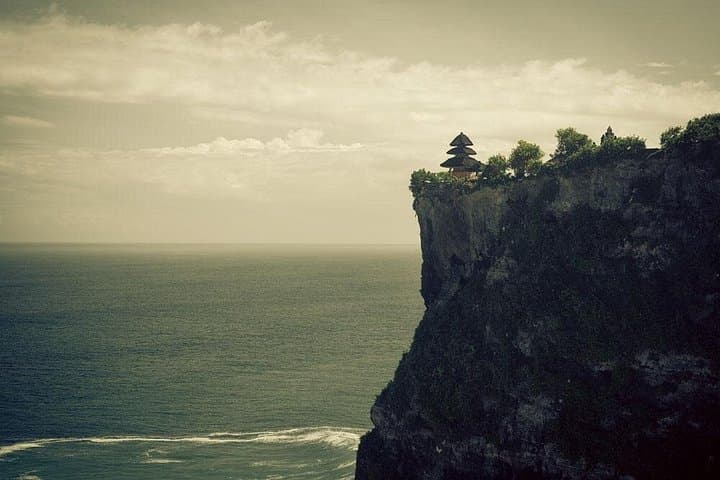
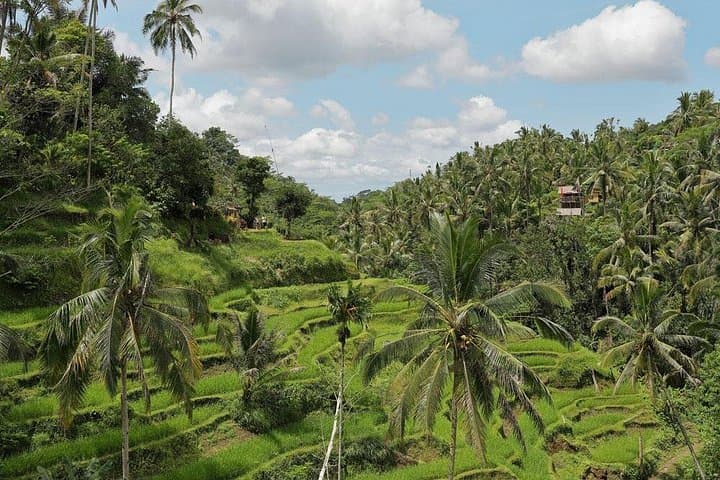
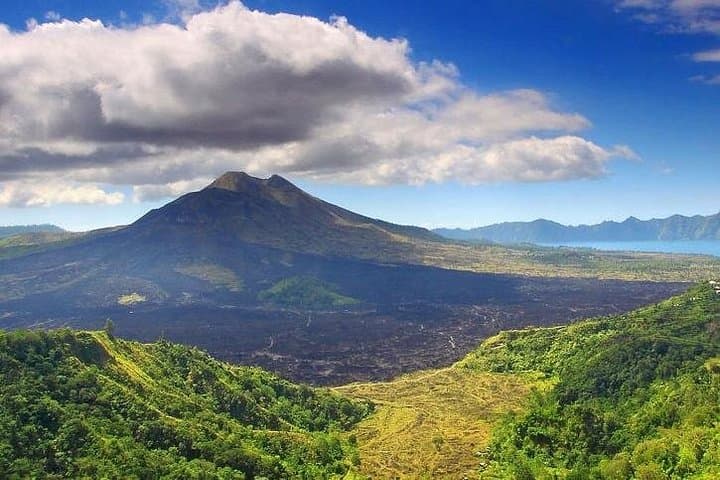
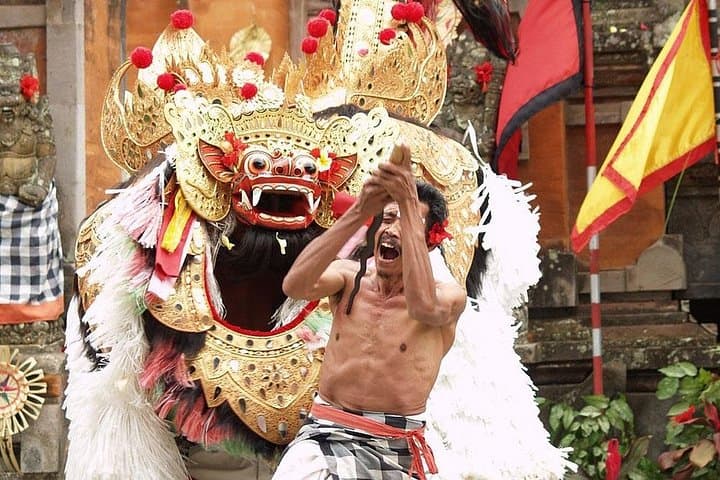
The first light of morning in Bali throws a bright, humid clarity across rice terraces; by evening the ocean cliffs at Uluwatu silhouette dancers against a molten sunset. This two-day private tour threads those contrasts—coastal wind and inland green—so travelers feel the island’s motion as much as its views.
The first light of morning in Bali throws a bright, humid clarity across rice terraces; by evening the ocean cliffs at Uluwatu silhouette dancers against a molten sunset. This two-day private tour threads those contrasts—coastal wind and inland green—so travelers feel the island’s motion as much as its views.
The route reads like a compact primer on Balinese culture and geology. Uluwatu Temple perches on a 70‑meter cliff carved of limestone and pumice; Kintamani looks out over Gunung Batur’s volcanic crater and lake, a reminder that Bali rides a string of active volcanoes. In Ubud and nearby villages, centuries of Hindu ritual, Barong theatre and handcrafts such as batik and silverwork remain woven into daily life. Goa Gajah’s 11th‑century relics hint at the island’s long religious history.
Expect a blend of short walks—stepped paths at Tegallalang, a wet scramble around Tegenungan waterfall—and easy cultural stops: dance performances, coffee gardens and markets. Nature behaves like a partner here: ocean swells pull at the cliffs, terraces drain toward canals, and monkeys patrol temple perimeters with unabashed curiosity.
Practical side: plan for early starts to avoid midday heat, bring a lightweight cover for temple visits (a sarong is often provided), and carry small denominations of rupiah for entrance fees and market purchases. Wear grippy shoes for slippery stone and terrace paths, and allow time at each stop to soak in the views rather than just check boxes. This two‑day loop is compact but rewarding—an efficient way to sample Bali’s geology, ritual and coastal drama without rushing.