THE ADVENTURE COLLECTIVE® · Independent discovery and booking for outdoor travel

Spend two nights under the African sky on a guided camping safari in Chobe National Park. Expect close river sightings of elephants, hippos and crocodiles, plus early-morning drives and a river cruise.
Spend two nights under the African sky on a guided camping safari in Chobe National Park. Expect close river sightings of elephants, hippos and crocodiles, plus early-morning drives and a river cruise.
You wake before dawn to the low rumble of elephants moving along the riverbank and a sweep of stars fading into an orange rim — the Chobe River dares you to step closer.
Verified experiences and guided adventures in the surrounding area.
Operated by Chris Travel and Tours Private Limited Company · Kasane, Chobe
You wake before dawn to the low rumble of elephants moving along the riverbank and a sweep of stars fading into an orange rim — the Chobe River dares you to step closer.
This two-day, two-night camping safari puts you on the floodplain where hippos bellow in the shallows and crocodiles line the banks while birdlife threads the sky. Geologically, Chobe’s riverine systems and seasonal floodplains are built from alluvial deposits that feed islands and grass channels, creating concentrated feeding grounds. The park, established in the late 1960s, sits on land long used by local Tswana and San communities; cultural ties to the river remain visible in small settlements and guiding traditions.
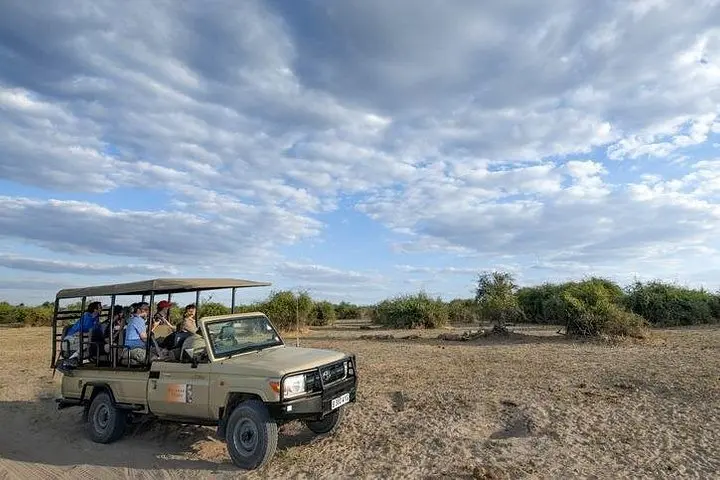
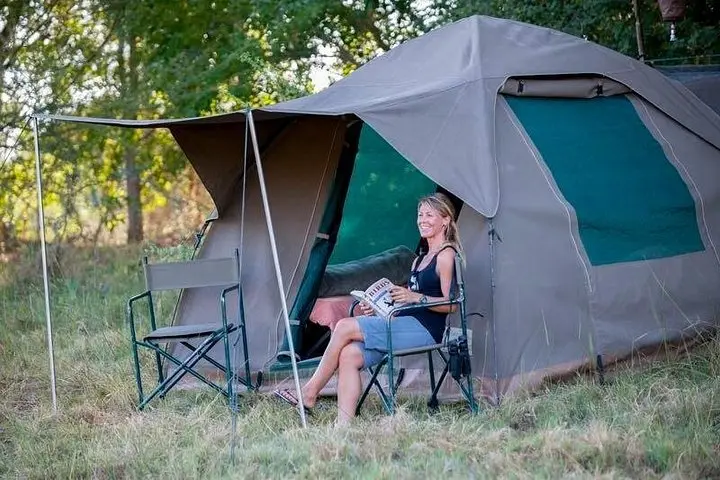
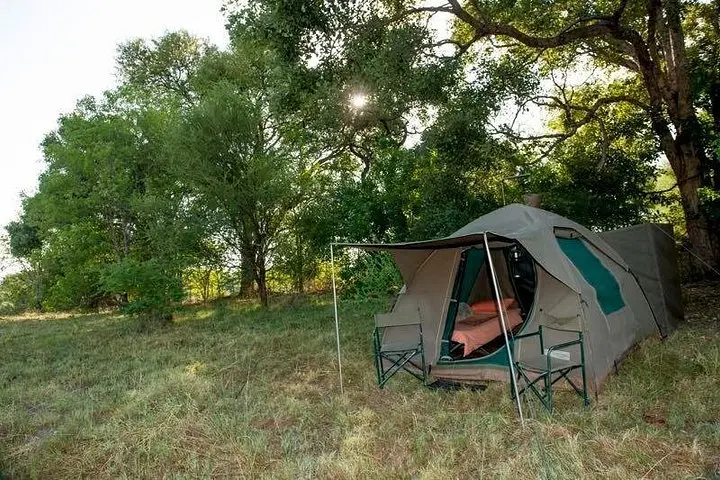
Expect early-morning game drives and at least one boat cruise for river-based viewing; animals gather most predictably during the dry season when water is limited. Nights are simple — canvas shelters or tents, communal meals, and strict low-impact camping practices to avoid disturbing wildlife. Guides are experienced in close encounters with elephant herds and will brief you on safe distances: do not approach animals on foot.
Practically, bring layered clothing for cool nights and hot days, insect protection, a headlamp, and a reusable water bottle. Hydration and sun protection are essential; so is patience — animal sightings are never guaranteed but the landscape itself rewards attention. For first-time safari campers, moderate fitness is enough, but be prepared for uneven ground, dusty roads, and the raw soundtrack of Africa.
Many operators provide communal canvas tents and basic sleeping mats; check the booking details and bring your own lightweight sleeping bag if you prefer extra warmth.
Guides position vehicles and boats for good viewing but maintain safe distances — elephants and hippos are observed from vehicles or watercraft, not on foot.
Children can attend but age restrictions and supervision rules may apply; confirm with the operator and ensure kids are comfortable with early starts and basic camping conditions.
Vaccinations such as hepatitis A and routine immunizations are recommended; consult a travel clinic for malaria prophylaxis and up-to-date advice.
Chris Travel and Tours Private Limited Company operates guided outdoor trips and adventures with an emphasis on safety, stewardship, and memorable experiences.

You wake before dawn to the low rumble of elephants moving along the riverbank and a sweep of stars fading into an orange rim — the Chobe River dares you to step closer.
You wake before dawn to the low rumble of elephants moving along the riverbank and a sweep of stars fading into an orange rim — the Chobe River dares you to step closer.
This two-day, two-night camping safari puts you on the floodplain where hippos bellow in the shallows and crocodiles line the banks while birdlife threads the sky. Geologically, Chobe’s riverine systems and seasonal floodplains are built from alluvial deposits that feed islands and grass channels, creating concentrated feeding grounds. The park, established in the late 1960s, sits on land long used by local Tswana and San communities; cultural ties to the river remain visible in small settlements and guiding traditions.
Expect early-morning game drives and at least one boat cruise for river-based viewing; animals gather most predictably during the dry season when water is limited. Nights are simple — canvas shelters or tents, communal meals, and strict low-impact camping practices to avoid disturbing wildlife. Guides are experienced in close encounters with elephant herds and will brief you on safe distances: do not approach animals on foot.
Practically, bring layered clothing for cool nights and hot days, insect protection, a headlamp, and a reusable water bottle. Hydration and sun protection are essential; so is patience — animal sightings are never guaranteed but the landscape itself rewards attention. For first-time safari campers, moderate fitness is enough, but be prepared for uneven ground, dusty roads, and the raw soundtrack of Africa.