THE ADVENTURE COLLECTIVE® · Independent discovery and booking for outdoor travel

A two-day hike from Chiang Mai into Karen hill-tribe country leads to unnamed jungle waterfalls, ridge viewpoints and an overnight in a bamboo village without electricity. Expect steady climbs, muddy tracks in the rainy season, and an authentic cultural exchange.
A two-day hike from Chiang Mai into Karen hill-tribe country leads to unnamed jungle waterfalls, ridge viewpoints and an overnight in a bamboo village without electricity. Expect steady climbs, muddy tracks in the rainy season, and an authentic cultural exchange.
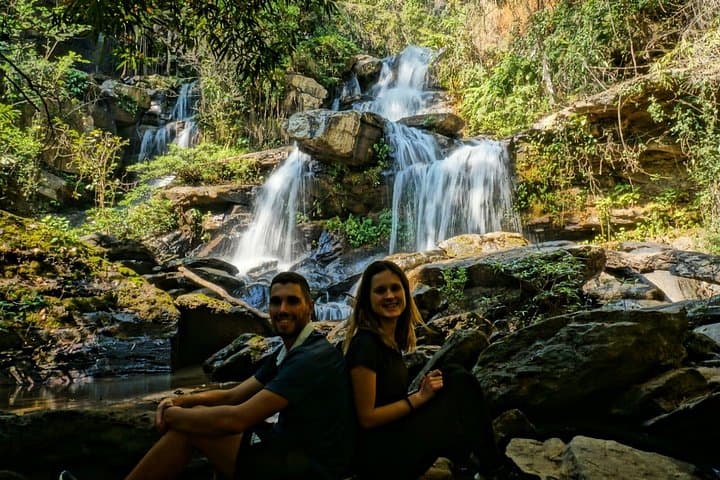
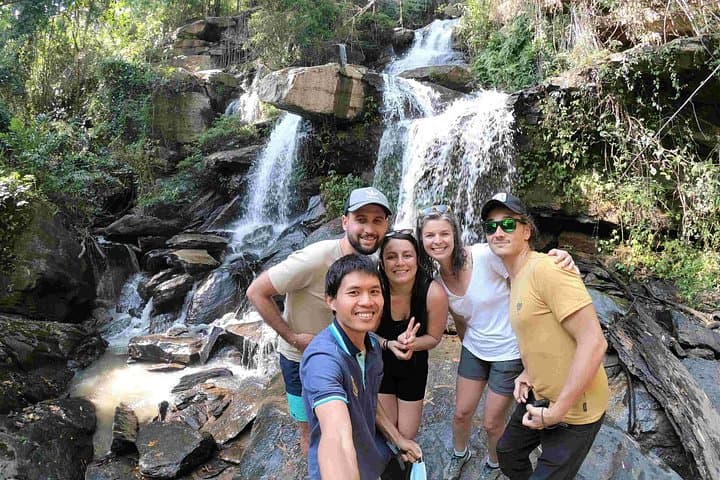
Dawn in Chiang Mai feels immediate: tuk-tuks hum as the van pulls away, and within an hour the rice paddies give way to a green slope where the trail waits. The first day funnels you through a local market, then onto a path that climbs through banana gardens and mixed rainforest until a hidden waterfall appears — a narrow curtain of water daring you to cool off.
Verified experiences and guided adventures in the surrounding area.
Operated by TEE WATERTOWN · Chiang Mai, Chiang Mai
Dawn in Chiang Mai feels immediate: tuk-tuks hum as the van pulls away, and within an hour the rice paddies give way to a green slope where the trail waits. The first day funnels you through a local market, then onto a path that climbs through banana gardens and mixed rainforest until a hidden waterfall appears — a narrow curtain of water daring you to cool off.
The hills around Chiang Mai are part of northern Thailand’s uplands, carved by monsoon streams and dotted with terraces where rice and orchards hold the slopes. The Karen people have lived here for generations; the village stay is a concrete lesson in simple, place-based living — bamboo houses, no grid electricity, and meals built from local rice and fruit.
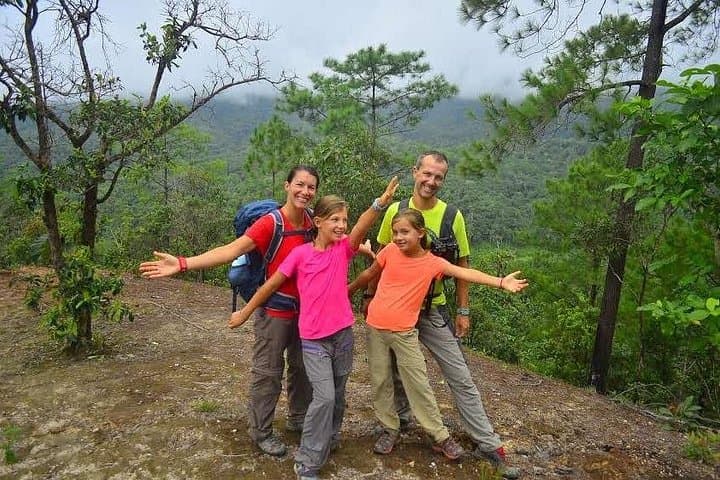
Expect a blend of steady uphill stretches, rocky footings, and muddy tracks in wetter months; viewpoints open between bamboo and tamarind to wide mountain swaths. On night one you sleep in a community bamboo dwelling on simple bedding; the second day’s hike is gentler, ending at a small jungle “beach” and another unnamed waterfall where you can swim before returning to Chiang Mai.
Practical notes: bring a headlamp, rain protection, and cash for the market and any local purchases. Footwear with good grip is essential; insect repellent and a water system (1.5–2L) will keep the walk comfortable. Guides translate local customs—ask before photographing people and accept hospitality lightly. With two days, you’ll earn both panoramic ridgelines and an unvarnished view of hill-tribe life.
Day one includes steady climbs and uneven terrain (moderate effort); day two is generally easier with shorter sections between stops.
You’ll sleep on a simple bed in a bamboo house with basic bedding and no electricity—expect communal facilities and local-style accommodations.
Yes, the jungle waterfalls are shallow pools ideal for a refresh, but check depth and current with your guide before entering.
There are no specific vaccination requirements for Chiang Mai beyond routine vaccines; consult your doctor about malaria risk—most areas around Chiang Mai are low risk but recommendations vary by season and exact route.
TEE WATERTOWN operates guided outdoor trips and adventures with an emphasis on safety, stewardship, and memorable experiences.

Dawn in Chiang Mai feels immediate: tuk-tuks hum as the van pulls away, and within an hour the rice paddies give way to a green slope where the trail waits. The first day funnels you through a local market, then onto a path that climbs through banana gardens and mixed rainforest until a hidden waterfall appears — a narrow curtain of water daring you to cool off.
Dawn in Chiang Mai feels immediate: tuk-tuks hum as the van pulls away, and within an hour the rice paddies give way to a green slope where the trail waits. The first day funnels you through a local market, then onto a path that climbs through banana gardens and mixed rainforest until a hidden waterfall appears — a narrow curtain of water daring you to cool off.
The hills around Chiang Mai are part of northern Thailand’s uplands, carved by monsoon streams and dotted with terraces where rice and orchards hold the slopes. The Karen people have lived here for generations; the village stay is a concrete lesson in simple, place-based living — bamboo houses, no grid electricity, and meals built from local rice and fruit.
Expect a blend of steady uphill stretches, rocky footings, and muddy tracks in wetter months; viewpoints open between bamboo and tamarind to wide mountain swaths. On night one you sleep in a community bamboo dwelling on simple bedding; the second day’s hike is gentler, ending at a small jungle “beach” and another unnamed waterfall where you can swim before returning to Chiang Mai.
Practical notes: bring a headlamp, rain protection, and cash for the market and any local purchases. Footwear with good grip is essential; insect repellent and a water system (1.5–2L) will keep the walk comfortable. Guides translate local customs—ask before photographing people and accept hospitality lightly. With two days, you’ll earn both panoramic ridgelines and an unvarnished view of hill-tribe life.