
Two-Day Ephesus and Pamukkale Tour from Istanbul — Ancient Ruins and Thermal Terraces
Two iconic Aegean highlights in two days: walk Ephesus’s marble avenues and climb the white travertine shelves of Pamukkale. This private tour combines short domestic flights, guided archaeology, and thermal pools for a compact, immersive trip.
An Adventure In Kuşadası.
Two iconic Aegean highlights in two days: walk Ephesus’s marble avenues and climb the white travertine shelves of Pamukkale. This private tour combines short domestic flights, guided archaeology, and thermal pools for a compact, immersive trip.
Read the full experience
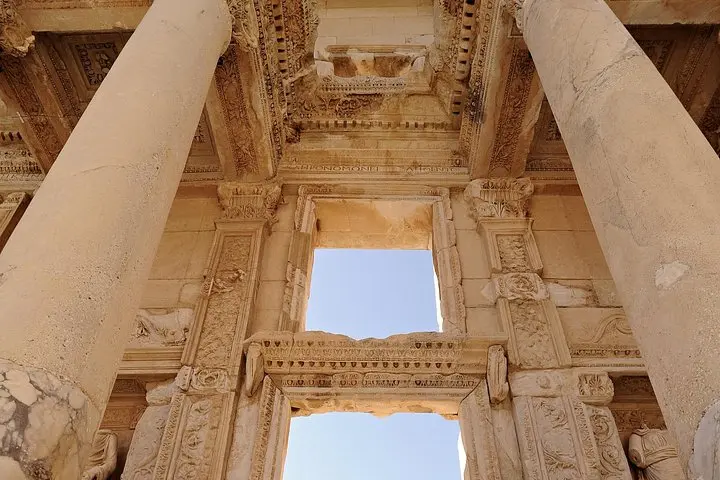
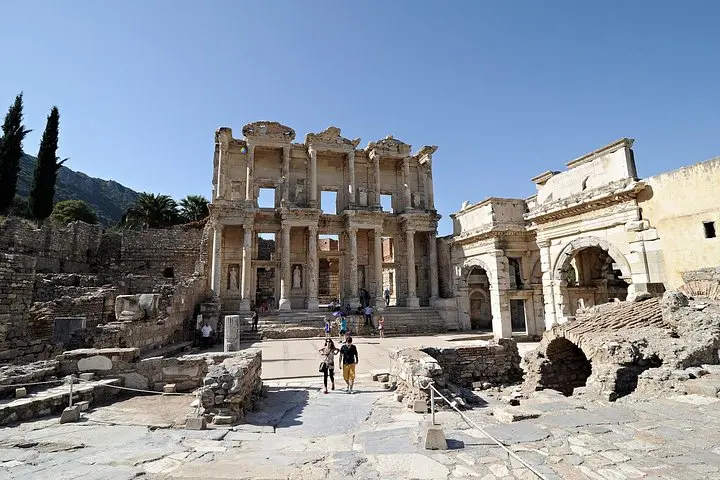
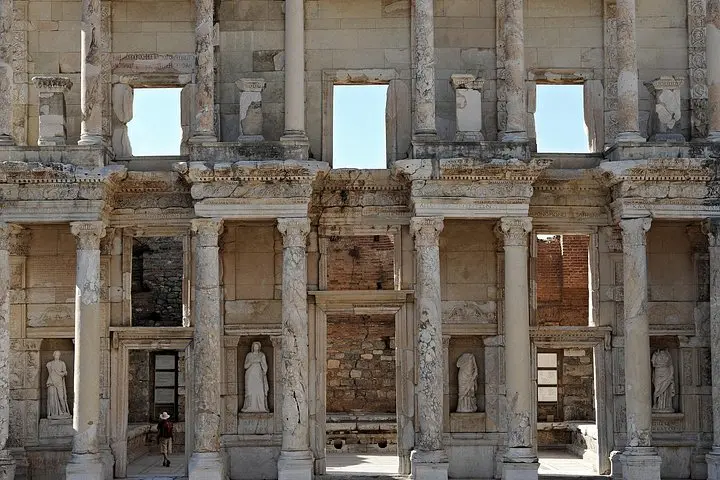
You step off a short domestic flight into Aegean light, then into streets worn smooth by millennia. At Ephesus, marble underfoot and the carved facade of the Library of Celsus rise like a stage set; the Great Theatre still sits like a sleeping audience capable of holding some 25,000 souls. The air smells faintly of salt and stone as you pass through colonnaded avenues where Roman traders once hustled goods between east and west.
You step off a short domestic flight into Aegean light, then into streets worn smooth by millennia. At Ephesus, marble underfoot and the carved facade of the Library of Celsus rise like a stage set; the Great Theatre still sits like a sleeping audience capable of holding some 25,000 souls. The air smells faintly of salt and stone as you pass through colonnaded avenues where Roman traders once hustled goods between east and west.
The route moves from urban archaeology to geological theatre. Hierapolis and Pamukkale form a single UNESCO site where mineral-rich hot springs have been depositing travertine for thousands of years, creating stepped white pools that seem to catch the light and hold it. The thermal waters here have drawn people since at least the 2nd century BC; bathing, burial and pilgrimage layers stack through Roman, Byzantine and Ottoman periods.
Practically: domestic flights are included, with about a 1‑hour hop Istanbul–Izmir, then transfers to Ephesus and a roughly 3‑hour drive to Pamukkale. Expect 1.5–2 km of walking at Ephesus on uneven stone and steps, and another 1–2 km around Hierapolis and the travertines. Shoes are not permitted on protected terraces—you’ll walk barefoot on cooled travertine in designated areas—so bring easy footwear for switching and a small daypack.
Plan an early start to beat heat and crowds; carry water, sun protection and identification for domestic flights. The tour balances archaeology and geothermal spectacle: one day among Roman streets, the next where water insists on shaping the landscape.
Frequently asked questions
Yes—economy domestic flights Istanbul–Izmir and return are included; baggage allowance typically noted by the operator (8 kg cabin + 15 kg checked).
Access to many natural pools is restricted to protect the travertine; designated thermal pools (like Cleopatra’s Pool in Hierapolis) may allow swimming for a fee.
The tour is rated easy but involves uneven surfaces and stairs; travelers with limited mobility should contact the operator in advance to confirm accessibility and assistance options.
Comfortable walking shoes for Ephesus, light breathable clothing, and have socks or sandals handy for barefoot walking on protected terraces at Pamukkale.
About This Experience
Bien Cappadocia Travel operates guided outdoor trips and adventures with an emphasis on safety, stewardship, and memorable experiences.
Adventure tips
Recommended gear
- Sturdy walking shoes: Support and traction for uneven marble streets and archaeological paths (bring socks for terrace barefoot sections).
- Sun hat and sunscreen: Open Aegean sun is strong; protection reduces fatigue and sunburn during midday visits.
- Refillable water bottle (1–1.5L): Hydration is crucial on long walks between sites; water refill opportunities exist in towns.
- Light waterproof layer: Wind and occasional rain in winter or transitional months—compact layer adds comfort.
Photos of the experience
Related adventures & guides
Read the full experience
You step off a short domestic flight into Aegean light, then into streets worn smooth by millennia. At Ephesus, marble underfoot and the carved facade of the Library of Celsus rise like a stage set; the Great Theatre still sits like a sleeping audience capable of holding some 25,000 souls. The air smells faintly of salt and stone as you pass through colonnaded avenues where Roman traders once hustled goods between east and west.
You step off a short domestic flight into Aegean light, then into streets worn smooth by millennia. At Ephesus, marble underfoot and the carved facade of the Library of Celsus rise like a stage set; the Great Theatre still sits like a sleeping audience capable of holding some 25,000 souls. The air smells faintly of salt and stone as you pass through colonnaded avenues where Roman traders once hustled goods between east and west.
The route moves from urban archaeology to geological theatre. Hierapolis and Pamukkale form a single UNESCO site where mineral-rich hot springs have been depositing travertine for thousands of years, creating stepped white pools that seem to catch the light and hold it. The thermal waters here have drawn people since at least the 2nd century BC; bathing, burial and pilgrimage layers stack through Roman, Byzantine and Ottoman periods.
Practically: domestic flights are included, with about a 1‑hour hop Istanbul–Izmir, then transfers to Ephesus and a roughly 3‑hour drive to Pamukkale. Expect 1.5–2 km of walking at Ephesus on uneven stone and steps, and another 1–2 km around Hierapolis and the travertines. Shoes are not permitted on protected terraces—you’ll walk barefoot on cooled travertine in designated areas—so bring easy footwear for switching and a small daypack.
Plan an early start to beat heat and crowds; carry water, sun protection and identification for domestic flights. The tour balances archaeology and geothermal spectacle: one day among Roman streets, the next where water insists on shaping the landscape.
Make a day of it nearby.
Verified experiences and guided adventures in the surrounding area.