THE ADVENTURE COLLECTIVE® · Independent discovery and booking for outdoor travel

Cover India’s iconic trio in two days: sunrise at the Taj Mahal, a walk through Agra Fort, and Jaipur’s forts and palaces. This private, 2-day Golden Triangle itinerary balances fast-moving transfers with time to absorb Mughal and Rajput architecture.
Cover India’s iconic trio in two days: sunrise at the Taj Mahal, a walk through Agra Fort, and Jaipur’s forts and palaces. This private, 2-day Golden Triangle itinerary balances fast-moving transfers with time to absorb Mughal and Rajput architecture.
You hit the expressway at dawn and the city recedes: a long ribbon of concrete carrying you toward the white marble that seems to float above the Yamuna. At the Taj Mahal the air smells of dust and jasmine; a battery shuttle hums past the clustered vendors and deposits you at the garden gate where stone and reflection meet.
Verified experiences and guided adventures in the surrounding area.
Operated by Travel Creators Of India · New Delhi, Delhi
You hit the expressway at dawn and the city recedes: a long ribbon of concrete carrying you toward the white marble that seems to float above the Yamuna. At the Taj Mahal the air smells of dust and jasmine; a battery shuttle hums past the clustered vendors and deposits you at the garden gate where stone and reflection meet.
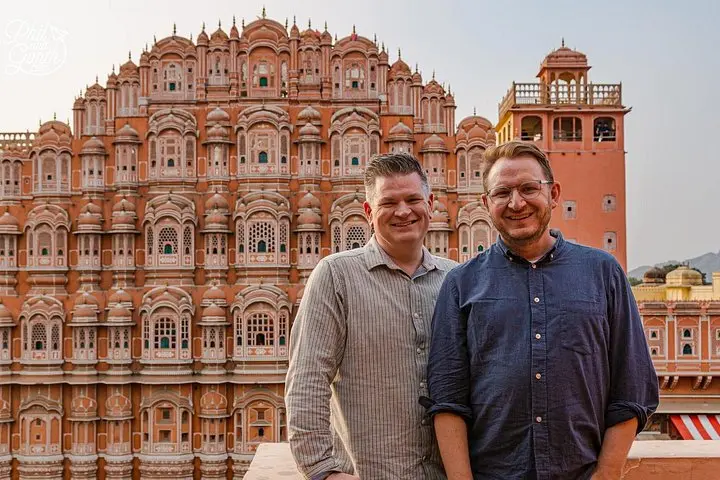
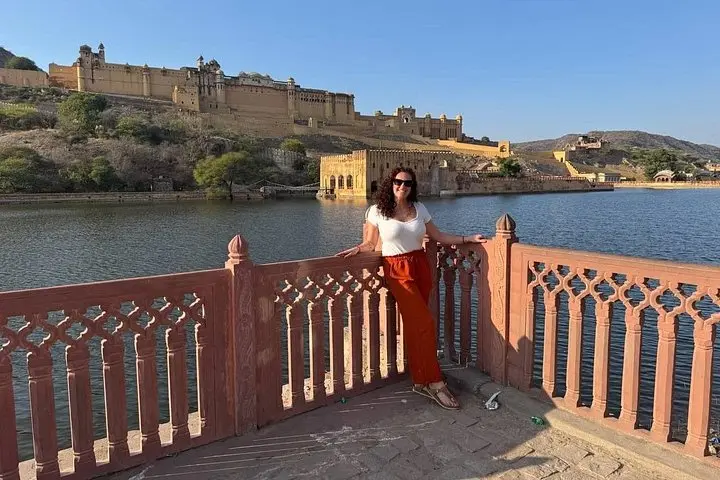
This two-day private Golden Triangle tour compresses over three centuries of Mughal and Rajput power into 48 hours. In Agra, Shah Jahan’s grief is made of marble and inlay: the Taj’s pietra dura and calligraphy sit opposite the red-sandstone sweep of Agra Fort, where Akbar and his successors fortified an empire along the Yamuna floodplain. Jaipur flips the script — hilltop Amber Fort, Rajput ramparts and the witty lattices of Hawa Mahal reveal a city planned by kings to manage climate, ceremony and trade. Jal Mahal’s low-slung palace rises from the man-made Man Sagar Lake, while Jantar Mantar maps the sky in stone.
Practical guidance: start early to avoid heat and crowds; the Taj is closed on Fridays so confirm your date. Bring modest clothing for religious and royal sites, comfortable shoes for cobbled ramps and stepped courtyards, and small-denomination INR for entry booths and snacks. The private, air-conditioned vehicle covers transfers and a local licensed guide handles tickets where possible, but carry photocopies of IDs for palace entries. Expect light walking but many stairs, intermittent road traffic and local vendors; pace your day with water, sunscreen and patience — the monuments reward the observant traveler.
Entrance fees are usually separate; the guide can help purchase tickets, but bring cash in INR as some counters don’t accept cards.
The Taj is closed on Fridays — operators typically adjust the itinerary (e.g., Delhi → Jaipur → Agra) so you still visit alternate highlights.
Yes — pick-up and drop-off in Delhi, Noida, Gurugram, Ghaziabad or Faridabad are included; provide flight details for airport transfers.
The tour is family-friendly and wheelchair-accessible in many areas, but expect stairs at forts and uneven surfaces at some sites; confirm specific accessibility needs in advance.
Travel Creators Of India operates guided outdoor trips and adventures with an emphasis on safety, stewardship, and memorable experiences.
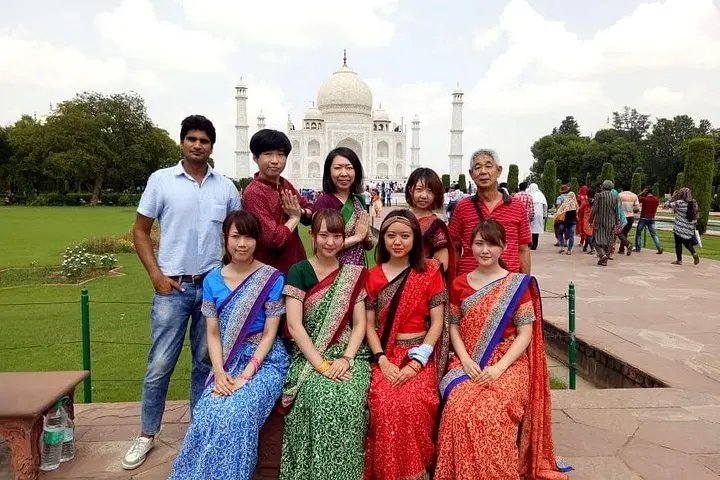
You hit the expressway at dawn and the city recedes: a long ribbon of concrete carrying you toward the white marble that seems to float above the Yamuna. At the Taj Mahal the air smells of dust and jasmine; a battery shuttle hums past the clustered vendors and deposits you at the garden gate where stone and reflection meet.
You hit the expressway at dawn and the city recedes: a long ribbon of concrete carrying you toward the white marble that seems to float above the Yamuna. At the Taj Mahal the air smells of dust and jasmine; a battery shuttle hums past the clustered vendors and deposits you at the garden gate where stone and reflection meet.
This two-day private Golden Triangle tour compresses over three centuries of Mughal and Rajput power into 48 hours. In Agra, Shah Jahan’s grief is made of marble and inlay: the Taj’s pietra dura and calligraphy sit opposite the red-sandstone sweep of Agra Fort, where Akbar and his successors fortified an empire along the Yamuna floodplain. Jaipur flips the script — hilltop Amber Fort, Rajput ramparts and the witty lattices of Hawa Mahal reveal a city planned by kings to manage climate, ceremony and trade. Jal Mahal’s low-slung palace rises from the man-made Man Sagar Lake, while Jantar Mantar maps the sky in stone.
Practical guidance: start early to avoid heat and crowds; the Taj is closed on Fridays so confirm your date. Bring modest clothing for religious and royal sites, comfortable shoes for cobbled ramps and stepped courtyards, and small-denomination INR for entry booths and snacks. The private, air-conditioned vehicle covers transfers and a local licensed guide handles tickets where possible, but carry photocopies of IDs for palace entries. Expect light walking but many stairs, intermittent road traffic and local vendors; pace your day with water, sunscreen and patience — the monuments reward the observant traveler.