THE ADVENTURE COLLECTIVE® · Independent discovery and booking for outdoor travel
Two full days of reef and rainforest from Cairns: morning snorkels and an intro scuba dive on the Great Barrier Reef, plus a guided day in the ancient Daintree with Mossman Gorge and Cape Tribulation. Small-group format, meals included on the reef, and a focus on wildlife and cultural context.
Two full days of reef and rainforest from Cairns: morning snorkels and an intro scuba dive on the Great Barrier Reef, plus a guided day in the ancient Daintree with Mossman Gorge and Cape Tribulation. Small-group format, meals included on the reef, and a focus on wildlife and cultural context.
A salt breeze pushes past the reef boat as it slides away from Cairns — the ocean ahead a sheet of moving blue that dares you to dive in.
Verified experiences and guided adventures in the surrounding area.
A salt breeze pushes past the reef boat as it slides away from Cairns — the ocean ahead a sheet of moving blue that dares you to dive in.
On day one the sea takes center stage: a scenic glass-bottom boat tour, guided snorkel sessions among shallow bommies, and an introductory scuba dive for first-timers. You’ll spend most of the day afloat, with breakfast and lunch served onboard and crew-led briefings that prioritize safety and reef etiquette. By day two the scene shifts to land; the Daintree Rainforest unfolds in green layers, ancient ferns and towering canopy trees that have been growing since before most modern continents took shape.
Geology here reads like a slow-motion epic — coral growth building the Reef over millennia while the Daintree preserves Gondwanan plant lineages. The Kuku Yalanji people have lived on these lands for thousands of years; local tours often include cultural insights into traditional food, songlines, and stewardship.
Practical guidance: plan for two full days (boat transit typically 1–2 hours each way), moderate fitness for short rainforest walks and swimming, and bring reef-safe sunscreen and a stinger suit during November–May. Operators run small-group tours, which means flexible pacing but limited spots — book in advance and pack light for transfers between sea and rainforest. Respect no-touch rules on coral, keep a safe distance from estuaries where crocodiles may be present, and time reef visits for morning light when visibility is best.
No — the introductory dive is designed for beginners under instructor supervision; you’ll receive a safety briefing and confined-surface practice beforehand.
Yes — most operators include breakfast and lunch on the reef day; check dietary options when booking.
June–October offers clearer water and lower rainfall; avoid peak stinger season (Nov–May) if you plan to swim without a suit.
Most tours offer pickup from central Cairns accommodations; confirm exact pickup zones and times when you book.
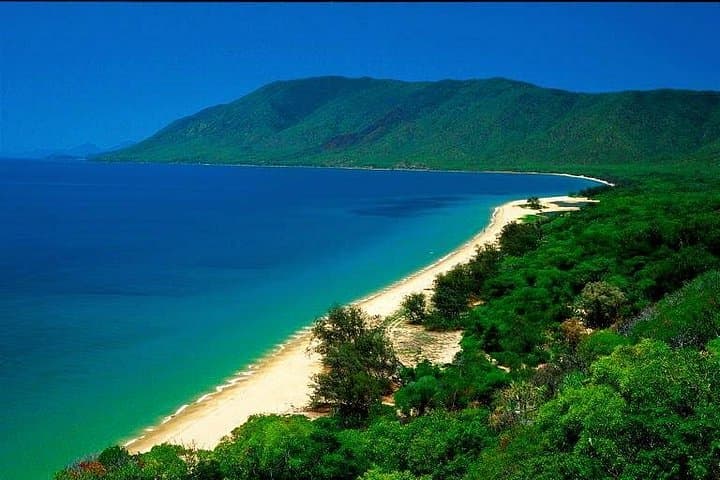
A salt breeze pushes past the reef boat as it slides away from Cairns — the ocean ahead a sheet of moving blue that dares you to dive in.
A salt breeze pushes past the reef boat as it slides away from Cairns — the ocean ahead a sheet of moving blue that dares you to dive in.
On day one the sea takes center stage: a scenic glass-bottom boat tour, guided snorkel sessions among shallow bommies, and an introductory scuba dive for first-timers. You’ll spend most of the day afloat, with breakfast and lunch served onboard and crew-led briefings that prioritize safety and reef etiquette. By day two the scene shifts to land; the Daintree Rainforest unfolds in green layers, ancient ferns and towering canopy trees that have been growing since before most modern continents took shape.
Geology here reads like a slow-motion epic — coral growth building the Reef over millennia while the Daintree preserves Gondwanan plant lineages. The Kuku Yalanji people have lived on these lands for thousands of years; local tours often include cultural insights into traditional food, songlines, and stewardship.
Practical guidance: plan for two full days (boat transit typically 1–2 hours each way), moderate fitness for short rainforest walks and swimming, and bring reef-safe sunscreen and a stinger suit during November–May. Operators run small-group tours, which means flexible pacing but limited spots — book in advance and pack light for transfers between sea and rainforest. Respect no-touch rules on coral, keep a safe distance from estuaries where crocodiles may be present, and time reef visits for morning light when visibility is best.
