THE ADVENTURE COLLECTIVE® · Independent discovery and booking for outdoor travel

Two days on quieter Great Wall sections — Jinshanling and Gubeikou — combine raw, unrestored ramparts, village hospitality and a challenging hike over the Yanshan ridges. Learn what to expect and how to prepare.
Two days on quieter Great Wall sections — Jinshanling and Gubeikou — combine raw, unrestored ramparts, village hospitality and a challenging hike over the Yanshan ridges. Learn what to expect and how to prepare.
Fog lifts off serrated ridgelines as the van slows and the first stone steps of the Great Wall come into view — raw, weathered and unexpectedly quiet. Over two days this small-group hike threads less-visited stretches between Jinshanling and Gubeikou, where unrestored towers crouch like watchful animals and the wall snakes over the Yanshan ridges.
Verified experiences and guided adventures in the surrounding area.
Operated by Great Wall Hiking · Beijing, Beijing
Fog lifts off serrated ridgelines as the van slows and the first stone steps of the Great Wall come into view — raw, weathered and unexpectedly quiet. Over two days this small-group hike threads less-visited stretches between Jinshanling and Gubeikou, where unrestored towers crouch like watchful animals and the wall snakes over the Yanshan ridges.
The route moves through military history: Gubeikou was one of the three strategic passes guarding approaches to Beijing and saw combat across centuries, including clashes in the 20th century. Geologically the wall rides steep limestone and granite ribs, with steep steps carved into hard bedrock and crumbly restored ramps where conservation has intervened.
Culturally, the itinerary includes a night with a local farming family at Gubeikou — a chance to try hand-rolled dumplings and learn about village life where agriculture meets tourism. Expect basic guesthouse comforts and a certificate of completion at the end.
Practically, each day mixes stair climbs and uneven masonry. Day two covers about 9 km and roughly five hours on the wall; sections involve sharp elevation changes and loose stones. There are toilets only at park entrances, so plan accordingly. The tour provides bottled water, vehicle transfers of luggage, and an English-speaking local farmer guide who leads rather than lectures.
For preparation: wear stiff-soled boots, carry a daypack with layers, snacks and toilet paper, and start early to take advantage of cooler morning air. With steady footing and respect for fragile sections, hikers leave with expansive views and a deeper sense of how this monumental structure interacts with the land.
Expect up to 5 hours and about 9 km on the more continuous wall day; day one includes steep approaches and variable distance depending on optional extensions.
Yes — entrance and admissions for the specified Great Wall sections are included in the tour price as listed in the itinerary.
Overnight is in a local farmer’s guesthouse near Gubeikou with private bathroom and basic hot-water shower; it’s comfortable but rustic compared with city hotels.
Not recommended for pregnant travelers and children should be experienced hikers; the route involves exposed, uneven stonework and significant stair sections.
Great Wall Hiking operates guided outdoor trips and adventures with an emphasis on safety, stewardship, and memorable experiences.
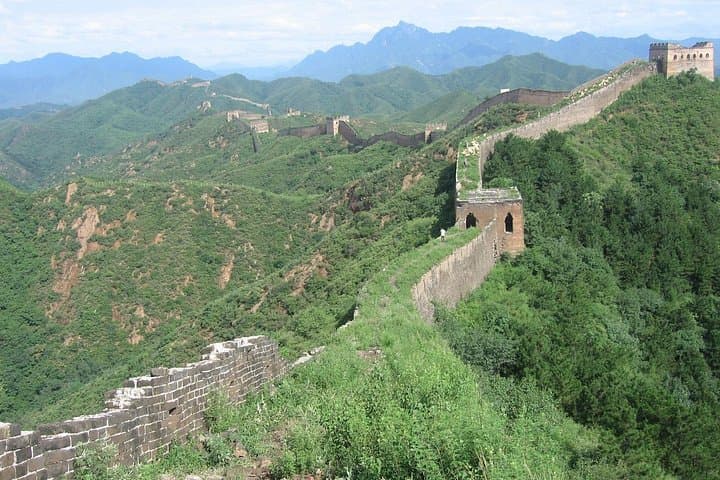
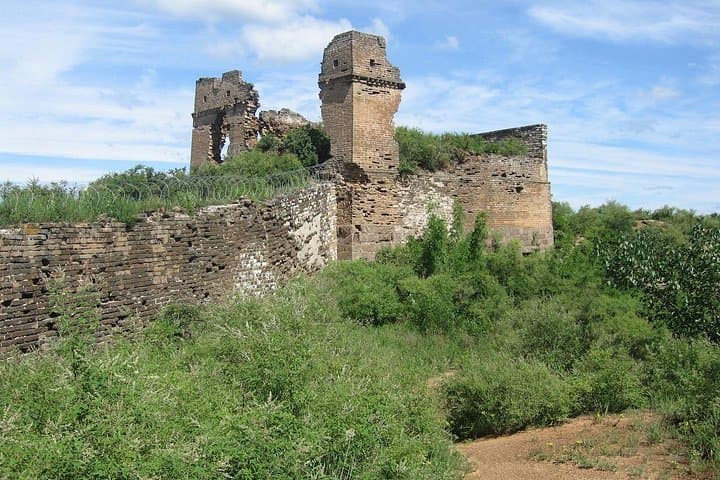
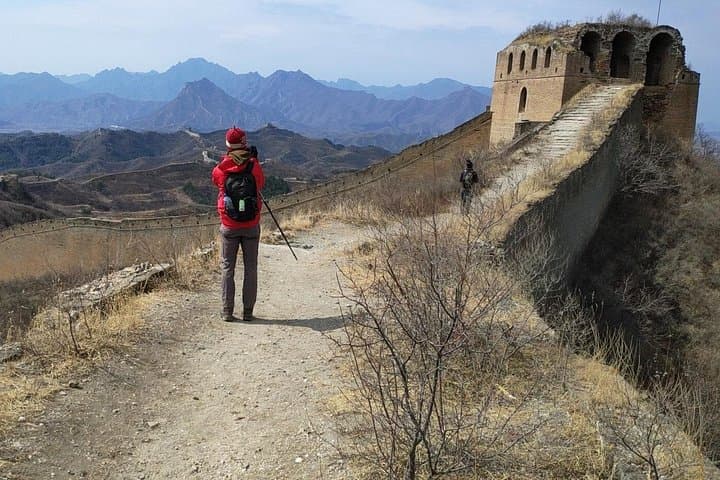

Fog lifts off serrated ridgelines as the van slows and the first stone steps of the Great Wall come into view — raw, weathered and unexpectedly quiet. Over two days this small-group hike threads less-visited stretches between Jinshanling and Gubeikou, where unrestored towers crouch like watchful animals and the wall snakes over the Yanshan ridges.
Fog lifts off serrated ridgelines as the van slows and the first stone steps of the Great Wall come into view — raw, weathered and unexpectedly quiet. Over two days this small-group hike threads less-visited stretches between Jinshanling and Gubeikou, where unrestored towers crouch like watchful animals and the wall snakes over the Yanshan ridges.
The route moves through military history: Gubeikou was one of the three strategic passes guarding approaches to Beijing and saw combat across centuries, including clashes in the 20th century. Geologically the wall rides steep limestone and granite ribs, with steep steps carved into hard bedrock and crumbly restored ramps where conservation has intervened.
Culturally, the itinerary includes a night with a local farming family at Gubeikou — a chance to try hand-rolled dumplings and learn about village life where agriculture meets tourism. Expect basic guesthouse comforts and a certificate of completion at the end.
Practically, each day mixes stair climbs and uneven masonry. Day two covers about 9 km and roughly five hours on the wall; sections involve sharp elevation changes and loose stones. There are toilets only at park entrances, so plan accordingly. The tour provides bottled water, vehicle transfers of luggage, and an English-speaking local farmer guide who leads rather than lectures.
For preparation: wear stiff-soled boots, carry a daypack with layers, snacks and toilet paper, and start early to take advantage of cooler morning air. With steady footing and respect for fragile sections, hikers leave with expansive views and a deeper sense of how this monumental structure interacts with the land.