THE ADVENTURE COLLECTIVE® · Independent discovery and booking for outdoor travel

Two days across Guatemala’s highlands take you from boat crossings on Lake Atitlán to Tz'utujil weaving co-ops and the vast vegetable fields around Quetzaltenango. Expect cultural encounters, volcanic scenery and practical travel logistics.
Two days across Guatemala’s highlands take you from boat crossings on Lake Atitlán to Tz'utujil weaving co-ops and the vast vegetable fields around Quetzaltenango. Expect cultural encounters, volcanic scenery and practical travel logistics.
A gray-blue dawn lifts off Lake Atitlán and the boat slips forward, the volcanoes holding still as if listening. You arrive in Santa Catarina Palopó where painted houses and women at work create a bright shore, then cross to San Juan La Laguna to meet Tz'utujil weavers who still grind plant dyes and paint murals in open-air workshops.
Verified experiences and guided adventures in the surrounding area.
Operated by Guate Tours by Nelson. · Panajachel, Sololá
A gray-blue dawn lifts off Lake Atitlán and the boat slips forward, the volcanoes holding still as if listening. You arrive in Santa Catarina Palopó where painted houses and women at work create a bright shore, then cross to San Juan La Laguna to meet Tz'utujil weavers who still grind plant dyes and paint murals in open-air workshops.
These highlands sit where Pleistocene volcanism carved deep basins and filled them with water; the lake itself lies in a volcanic caldera ringed by steep, terraced slopes. Human history here is layered: pre-Columbian Mayan villages, colonial trade routes, and modern cooperatives that sustain textile traditions and small-scale agriculture.
On day two the road climbs out of the lake basin toward Quetzaltenango (Xela), cutting across fertile plateaus where Almolonga’s irrigated fields supply vegetables across Central America. It’s a practical, sensory route—boats, market alleys, viewpoint climbs, and a night in a simple three-star hotel.
Plan for cool mornings, sudden rain and dusty village streets. Wear sturdy shoes for cobblestones and short hikes, bring cash for market purchases, and carry a reusable water bottle; potable water can be scarce in rural stops. Respect local customs: ask before photographing people and buy directly from artisans where possible.
Logistics: transfers and a bilingual guide are included, along with breakfast and one night’s accommodation. Expect light walking with frequent stops; altitude tops out near 2,500–2,700 m on the road to Xela, so pace yourself. This two-day loop is part cultural immersion, part landscape drive—compact, vivid, and rooted in community-run experiences.
Expect short walks in towns, stairs to viewpoints and market browsing—nothing sustained or technical, suitable for most fitness levels.
Lake Atitlán sits around 1,560 m, while the road to Quetzaltenango climbs higher; mild altitude effects are possible—stay hydrated and avoid strenuous activity on arrival.
The tour includes two breakfasts and one night at a three-star hotel (Selina or similar); other meals are typically at your expense.
A bilingual guide is included; Spanish and English are commonly used, and local Mayan languages may be heard in villages.
Guate Tours by Nelson. operates guided outdoor trips and adventures with an emphasis on safety, stewardship, and memorable experiences.
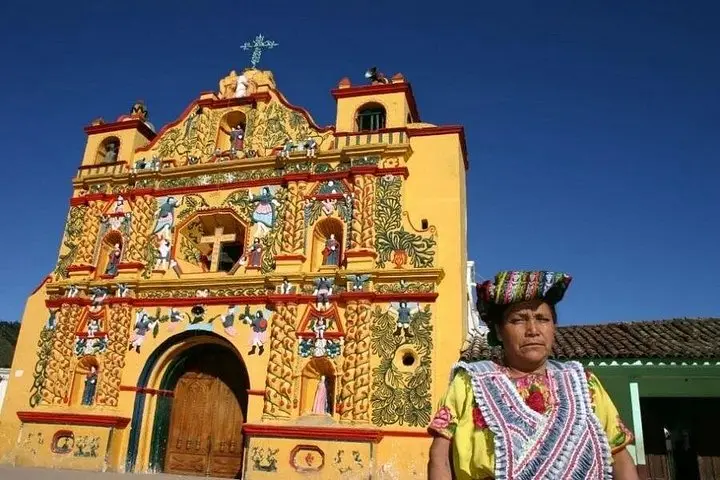
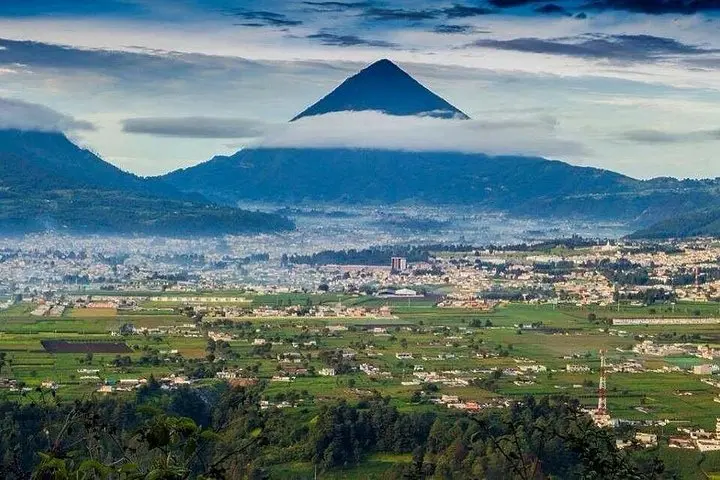
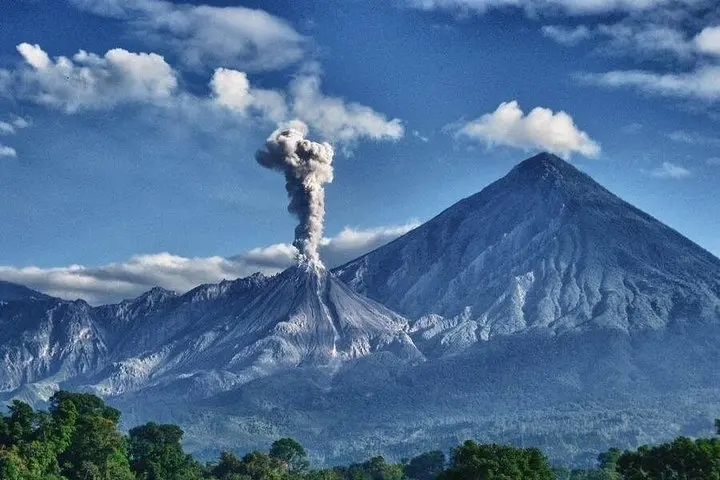
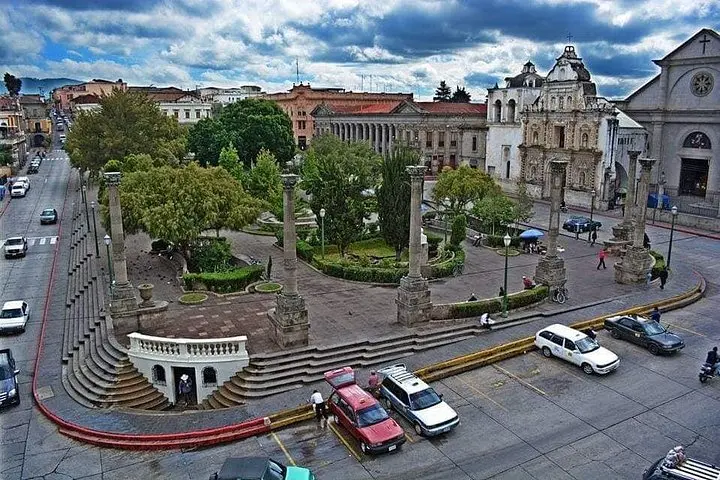
A gray-blue dawn lifts off Lake Atitlán and the boat slips forward, the volcanoes holding still as if listening. You arrive in Santa Catarina Palopó where painted houses and women at work create a bright shore, then cross to San Juan La Laguna to meet Tz'utujil weavers who still grind plant dyes and paint murals in open-air workshops.
A gray-blue dawn lifts off Lake Atitlán and the boat slips forward, the volcanoes holding still as if listening. You arrive in Santa Catarina Palopó where painted houses and women at work create a bright shore, then cross to San Juan La Laguna to meet Tz'utujil weavers who still grind plant dyes and paint murals in open-air workshops.
These highlands sit where Pleistocene volcanism carved deep basins and filled them with water; the lake itself lies in a volcanic caldera ringed by steep, terraced slopes. Human history here is layered: pre-Columbian Mayan villages, colonial trade routes, and modern cooperatives that sustain textile traditions and small-scale agriculture.
On day two the road climbs out of the lake basin toward Quetzaltenango (Xela), cutting across fertile plateaus where Almolonga’s irrigated fields supply vegetables across Central America. It’s a practical, sensory route—boats, market alleys, viewpoint climbs, and a night in a simple three-star hotel.
Plan for cool mornings, sudden rain and dusty village streets. Wear sturdy shoes for cobblestones and short hikes, bring cash for market purchases, and carry a reusable water bottle; potable water can be scarce in rural stops. Respect local customs: ask before photographing people and buy directly from artisans where possible.
Logistics: transfers and a bilingual guide are included, along with breakfast and one night’s accommodation. Expect light walking with frequent stops; altitude tops out near 2,500–2,700 m on the road to Xela, so pace yourself. This two-day loop is part cultural immersion, part landscape drive—compact, vivid, and rooted in community-run experiences.