THE ADVENTURE COLLECTIVE® · Independent discovery and booking for outdoor travel

Spend two days moving from Hiroshima’s memorial spaces to Miyajima’s tidal shrine-scape. This private tour mixes transport-ready logistics with time to absorb history, architecture, and local food.
Spend two days moving from Hiroshima’s memorial spaces to Miyajima’s tidal shrine-scape. This private tour mixes transport-ready logistics with time to absorb history, architecture, and local food.
You step off the Shinkansen into Hiroshima Station and the city’s low skyline opens like a page of history. A local guide leads you through broad streets toward Peace Memorial Park, where the Atomic Bomb Dome keeps a quiet, stubborn watch and the Motoyasu River seems to carry stories past your feet.
Verified experiences and guided adventures in the surrounding area.
Operated by H.I.S.Co., Ltd. · Hiroshima, Hiroshima Prefecture
You step off the Shinkansen into Hiroshima Station and the city’s low skyline opens like a page of history. A local guide leads you through broad streets toward Peace Memorial Park, where the Atomic Bomb Dome keeps a quiet, stubborn watch and the Motoyasu River seems to carry stories past your feet.
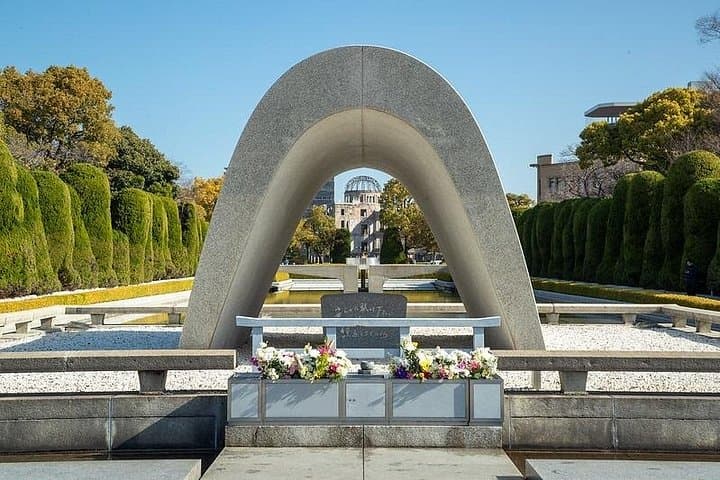
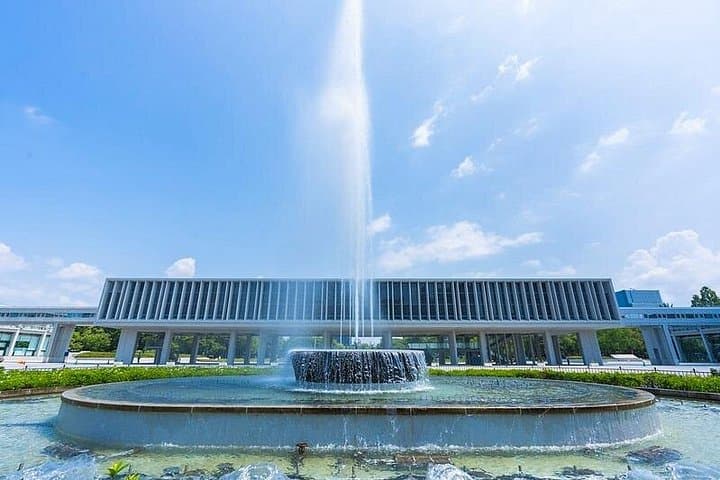
Over the next two days you move from modern urban fabric to a marine shrinescape. Hiroshima’s Peace Memorial Museum lays out the human story and postwar rebuilding; the park’s grassy squares and stone cenotaph recall the city’s deliberate choice to preserve memory rather than erase it. Geologically, the Seto Inland Sea has carved a shallow, sheltered coastline around islands like Itsukushima (Miyajima), where tides dramatize the vermilion torii and the shrine’s boardwalks.
Miyajima balances Shinto ritual and local craft—try momiji-manju, the maple-leaf cake, or watch artisans shape folded origami at Orizuru Tower. Culture here is tactile: shrines built over water, deer that stroll like casual hosts, temple bells that measure the afternoon.
Practical guidance: start early from Kyoto or Osaka (assistants help with Shinkansen boarding but don’t accompany you). Ferry sails are frequent; aim for a rising tide to photograph the torii from the closest ferry. Choose a 3–4 star hotel on day one in Hiroshima or stay overnight on Miyajima for quieter evenings. Optional add-ons include the Mt. Misen ropeway (fee) or a momiji-manju workshop. Wear comfortable walking shoes, bring a light rain layer—weather on the Inland Sea shifts fast—and allow extra time for the museum; its exhibits merit a full hour or more.
Yes—seats on the recommended morning departures can fill, and assistants will help you access the train but will not accompany you to Hiroshima.
The shrine boardwalks and ferries are generally accessible, though some shrine areas and Mt. Misen trails have stairs; check accessibility details if you use a wheelchair.
Yes—this private tour allows optional add-ons such as the Mt. Misen ropeway and momiji-manju workshops for an extra fee.
Japan uses yen (JPY) and English is common in tour settings, but smaller shops on Miyajima may operate primarily in Japanese—carry cash and a translation app if needed.
H.I.S.Co., Ltd. operates guided outdoor trips and adventures with an emphasis on safety, stewardship, and memorable experiences.
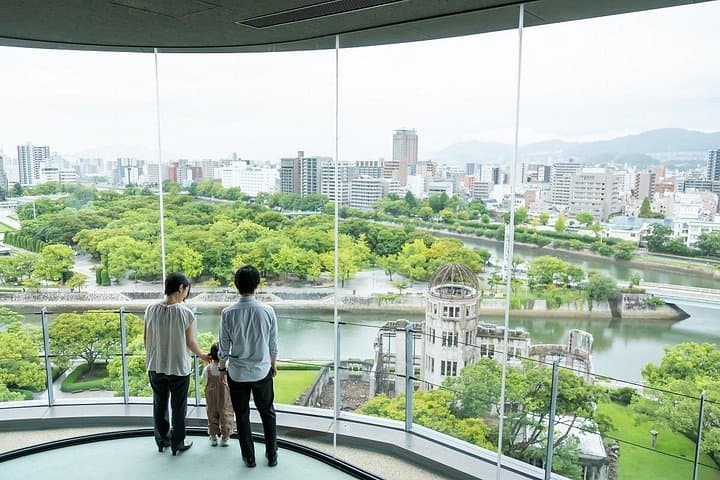
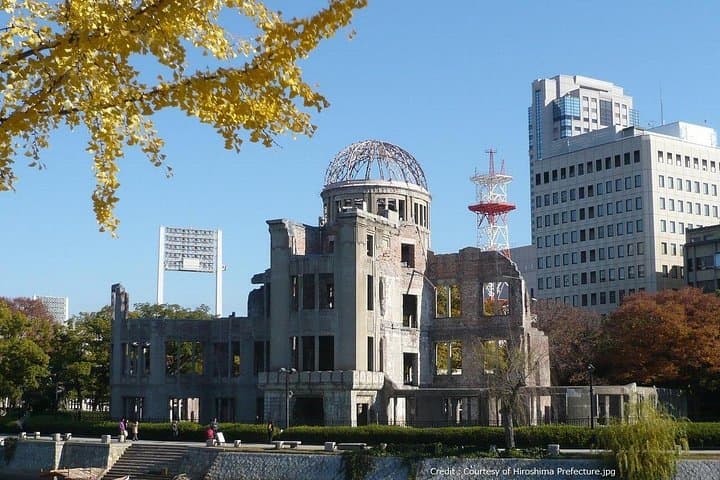
You step off the Shinkansen into Hiroshima Station and the city’s low skyline opens like a page of history. A local guide leads you through broad streets toward Peace Memorial Park, where the Atomic Bomb Dome keeps a quiet, stubborn watch and the Motoyasu River seems to carry stories past your feet.
You step off the Shinkansen into Hiroshima Station and the city’s low skyline opens like a page of history. A local guide leads you through broad streets toward Peace Memorial Park, where the Atomic Bomb Dome keeps a quiet, stubborn watch and the Motoyasu River seems to carry stories past your feet.
Over the next two days you move from modern urban fabric to a marine shrinescape. Hiroshima’s Peace Memorial Museum lays out the human story and postwar rebuilding; the park’s grassy squares and stone cenotaph recall the city’s deliberate choice to preserve memory rather than erase it. Geologically, the Seto Inland Sea has carved a shallow, sheltered coastline around islands like Itsukushima (Miyajima), where tides dramatize the vermilion torii and the shrine’s boardwalks.
Miyajima balances Shinto ritual and local craft—try momiji-manju, the maple-leaf cake, or watch artisans shape folded origami at Orizuru Tower. Culture here is tactile: shrines built over water, deer that stroll like casual hosts, temple bells that measure the afternoon.
Practical guidance: start early from Kyoto or Osaka (assistants help with Shinkansen boarding but don’t accompany you). Ferry sails are frequent; aim for a rising tide to photograph the torii from the closest ferry. Choose a 3–4 star hotel on day one in Hiroshima or stay overnight on Miyajima for quieter evenings. Optional add-ons include the Mt. Misen ropeway (fee) or a momiji-manju workshop. Wear comfortable walking shoes, bring a light rain layer—weather on the Inland Sea shifts fast—and allow extra time for the museum; its exhibits merit a full hour or more.