THE ADVENTURE COLLECTIVE® · Independent discovery and booking for outdoor travel

A compact two-day trek that combines a remote Inca ruin above the Urubamba Valley with an early morning visit to Machu Picchu. Expect high passes, sharp descents, and sweeping Vilcabamba views—ideal for hikers who want a quick, immersive Andean experience.
A compact two-day trek that combines a remote Inca ruin above the Urubamba Valley with an early morning visit to Machu Picchu. Expect high passes, sharp descents, and sweeping Vilcabamba views—ideal for hikers who want a quick, immersive Andean experience.
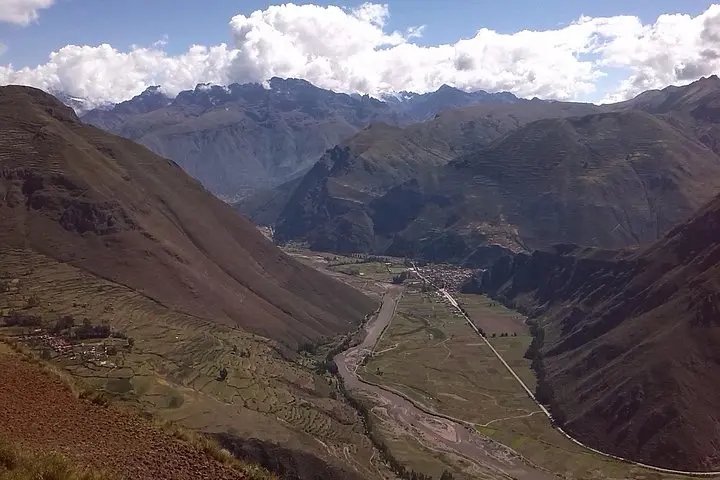
A pre-dawn van pulls out of Cusco and the road climbs into a gray, thin air where ichu grass bends like a chorus line across the puna. By the time hikers step out at Tauca (3,750 m) the horizon has been rewritten by the jagged silhouettes of the Vilcabamba peaks—Verónica, Pitusiray, Chicon—each one daring the next to rise higher.
Verified experiences and guided adventures in the surrounding area.
Operated by PERU TRAVEL COMPANY · Cusco, Cusco Region
A pre-dawn van pulls out of Cusco and the road climbs into a gray, thin air where ichu grass bends like a chorus line across the puna. By the time hikers step out at Tauca (3,750 m) the horizon has been rewritten by the jagged silhouettes of the Vilcabamba peaks—Verónica, Pitusiray, Chicon—each one daring the next to rise higher.
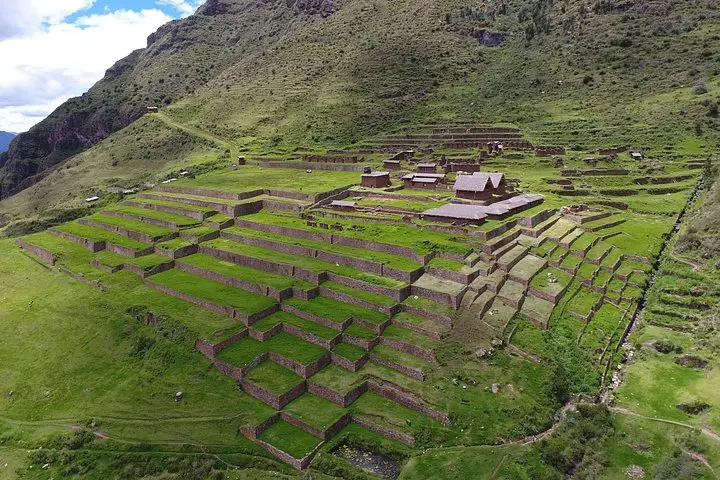
The route gains a high pass at roughly 4,050 m, a hard-breathing stretch that opens to wide, wind-sculpted vistas and the raw geology of the Urubamba watershed. Descending toward Huchuy Qosqo, the trail threads through Ccauca ravine past Inca-built terraces, a stone kallanka and the ruins of an elevated bridge. The place reads like an archaeological classroom: finely dressed masonry beside adobe habitations, agricultural platforms that still claim the steep slopes.
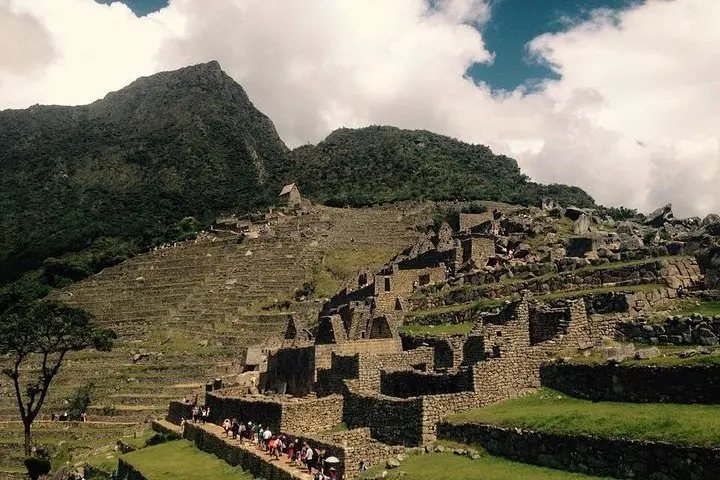
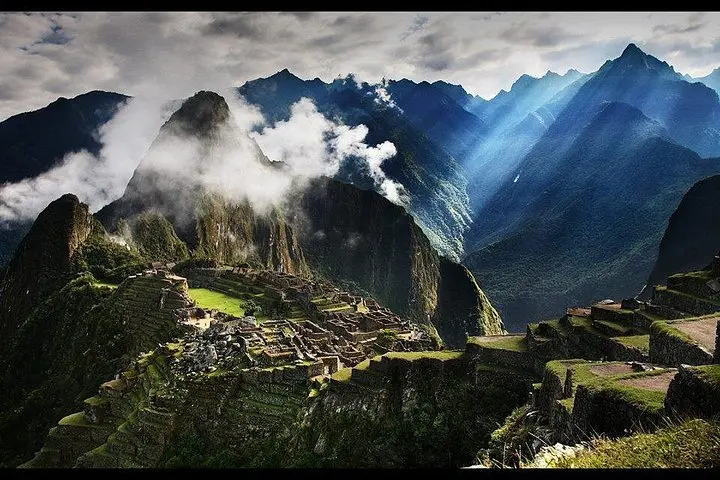
After exploring Huchuy Qosqo’s terraces and two-story structures, the itinerary drops to Lamay and follows transport to Ollantaytambo, then the scenic train ride to Aguas Calientes. An early bus delivers visitors to Machu Picchu at first light for a two-hour guided tour before free time among its plazas and ramps.
Practical edge: altitude is the main challenge—spend at least a day in Cusco to acclimatize, carry a 30L daypack, and expect narrow, rocky trails with steep descents. Bring layered clothing for cold mornings, a waterproof shell for afternoon showers (wet season Nov–Mar), and enough water and snacks for sustained uphill work. Note: walking poles are not allowed inside Machu Picchu; keep passports handy for the site stamp and follow Leave No Trace rules on fragile terraces.
The ascent reaches about 4,050 m and includes sustained uphill walking; a moderate fitness level and prior acclimatization make it manageable for most active hikers.
Entrance to Machu Picchu is handled by the operator as part of the itinerary—bring your passport since entry is stamped and ID checked.
No; accommodations are hostel on night one and a hotel in Aguas Calientes on night two.
Walking poles are permitted on most trail sections but are not allowed inside Machu Picchu itself.
PERU TRAVEL COMPANY operates guided outdoor trips and adventures with an emphasis on safety, stewardship, and memorable experiences.
A pre-dawn van pulls out of Cusco and the road climbs into a gray, thin air where ichu grass bends like a chorus line across the puna. By the time hikers step out at Tauca (3,750 m) the horizon has been rewritten by the jagged silhouettes of the Vilcabamba peaks—Verónica, Pitusiray, Chicon—each one daring the next to rise higher.
A pre-dawn van pulls out of Cusco and the road climbs into a gray, thin air where ichu grass bends like a chorus line across the puna. By the time hikers step out at Tauca (3,750 m) the horizon has been rewritten by the jagged silhouettes of the Vilcabamba peaks—Verónica, Pitusiray, Chicon—each one daring the next to rise higher.
The route gains a high pass at roughly 4,050 m, a hard-breathing stretch that opens to wide, wind-sculpted vistas and the raw geology of the Urubamba watershed. Descending toward Huchuy Qosqo, the trail threads through Ccauca ravine past Inca-built terraces, a stone kallanka and the ruins of an elevated bridge. The place reads like an archaeological classroom: finely dressed masonry beside adobe habitations, agricultural platforms that still claim the steep slopes.
After exploring Huchuy Qosqo’s terraces and two-story structures, the itinerary drops to Lamay and follows transport to Ollantaytambo, then the scenic train ride to Aguas Calientes. An early bus delivers visitors to Machu Picchu at first light for a two-hour guided tour before free time among its plazas and ramps.
Practical edge: altitude is the main challenge—spend at least a day in Cusco to acclimatize, carry a 30L daypack, and expect narrow, rocky trails with steep descents. Bring layered clothing for cold mornings, a waterproof shell for afternoon showers (wet season Nov–Mar), and enough water and snacks for sustained uphill work. Note: walking poles are not allowed inside Machu Picchu; keep passports handy for the site stamp and follow Leave No Trace rules on fragile terraces.