THE ADVENTURE COLLECTIVE® · Independent discovery and booking for outdoor travel

Short on time but not on ambition: this compact Inca Trail route covers the most scenic classical section from Km 104 to Intipuncu, delivering the Sun Gate view of Machu Picchu after one full day of hiking. Ideal for hikers with limited time who still want the classic arrival on foot.
Short on time but not on ambition: this compact Inca Trail route covers the most scenic classical section from Km 104 to Intipuncu, delivering the Sun Gate view of Machu Picchu after one full day of hiking. Ideal for hikers with limited time who still want the classic arrival on foot.
The day begins before dawn in Cusco: headlamp beams and steaming tea at the plaza, then a predawn drive to Ollantaytambo and a short train ride to kilometer 104 — the trailhead where ancient stonework first pulls you into the mountains.
Verified experiences and guided adventures in the surrounding area.
Operated by Grand America · Cusco, Cusco Region
The day begins before dawn in Cusco: headlamp beams and steaming tea at the plaza, then a predawn drive to Ollantaytambo and a short train ride to kilometer 104 — the trailhead where ancient stonework first pulls you into the mountains.
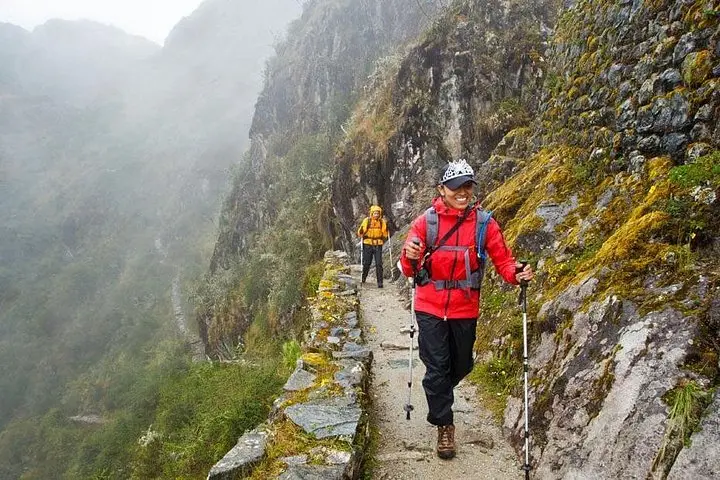
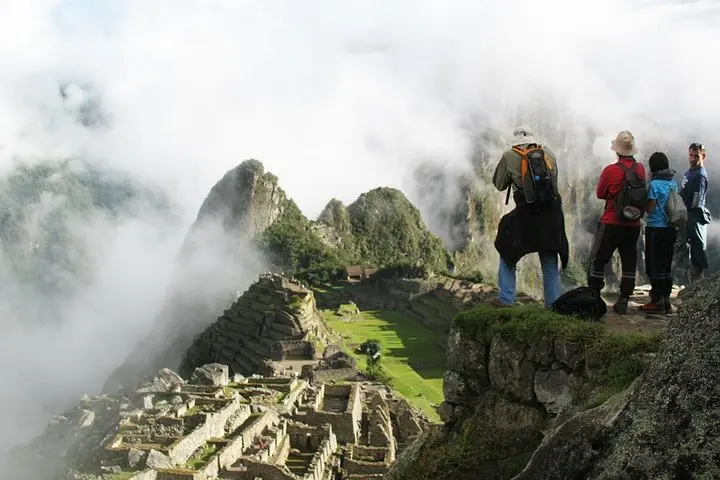
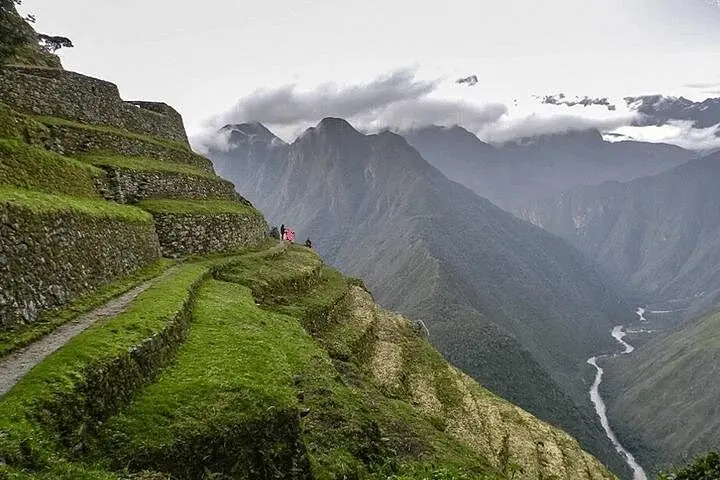
Over two concentrated days you follow the most celebrated section of the classic Inca Trail. The route climbs stone causeways and Inca steps through cloud forest, passes terraced ruins and orchid-rich slopes, and threads archaeological sites like Wiñay Wayna before the final, breath-stealing approach to Intipuncu (the Sun Gate). From that high ridge Machu Picchu unfurls below — the classic postcard vista earned by walking rather than arriving by bus.
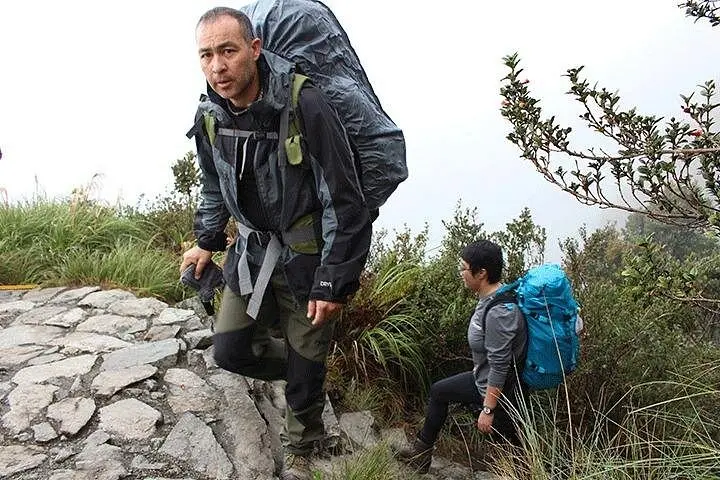
Geology and history are obvious: folded Andean strata create steep river-cut valleys that the Incas bridged with terraces and stairways, while local Quechua culture still colors nearby towns and markets. Expect mixed terrain — packed earth, cut stone, and wet mossy steps — and stretches of sustained uphill with roughly 500–700 m of climbing across the itinerary and about 12–14 km of hiking spread over the two days.
Practical guidance: acclimatize in Cusco first, pack layered, waterproof clothing, and allow for slow, steady pacing. Carry ID (passport), snacks, and water purification or a filled hydration bladder; bring cash for small purchases in Aguas Calientes. Guides handle permits and logistics, but physical readiness and respect for the trail ensure you experience Machu Picchu the way the Incas intended — by foot.
Yes — the Inca Trail permit is required and limited; this tour includes the permit and manages the booking.
You’ll cover roughly 12–14 km spread over the two days with sustained uphill sections; expect full days of walking (several hours each day) at a moderate pace.
Bring your passport (the name must match the permit) — it will be checked at the Machu Picchu entrance.
Yes — Cusco sits above 3,000 m, so spend 1–2 days acclimatizing, stay hydrated, and descend if severe symptoms occur.
Grand America operates guided outdoor trips and adventures with an emphasis on safety, stewardship, and memorable experiences.
The day begins before dawn in Cusco: headlamp beams and steaming tea at the plaza, then a predawn drive to Ollantaytambo and a short train ride to kilometer 104 — the trailhead where ancient stonework first pulls you into the mountains.
The day begins before dawn in Cusco: headlamp beams and steaming tea at the plaza, then a predawn drive to Ollantaytambo and a short train ride to kilometer 104 — the trailhead where ancient stonework first pulls you into the mountains.
Over two concentrated days you follow the most celebrated section of the classic Inca Trail. The route climbs stone causeways and Inca steps through cloud forest, passes terraced ruins and orchid-rich slopes, and threads archaeological sites like Wiñay Wayna before the final, breath-stealing approach to Intipuncu (the Sun Gate). From that high ridge Machu Picchu unfurls below — the classic postcard vista earned by walking rather than arriving by bus.
Geology and history are obvious: folded Andean strata create steep river-cut valleys that the Incas bridged with terraces and stairways, while local Quechua culture still colors nearby towns and markets. Expect mixed terrain — packed earth, cut stone, and wet mossy steps — and stretches of sustained uphill with roughly 500–700 m of climbing across the itinerary and about 12–14 km of hiking spread over the two days.
Practical guidance: acclimatize in Cusco first, pack layered, waterproof clothing, and allow for slow, steady pacing. Carry ID (passport), snacks, and water purification or a filled hydration bladder; bring cash for small purchases in Aguas Calientes. Guides handle permits and logistics, but physical readiness and respect for the trail ensure you experience Machu Picchu the way the Incas intended — by foot.