THE ADVENTURE COLLECTIVE® · Independent discovery and booking for outdoor travel

Hike the classic short Inca Trail from Km 104 to Machu Picchu in two days—ancient stone staircases, cloud-forest orchids and a sunrise arrival through the Sun Gate. Practical tips on altitude, permits and what to pack to make the approach smooth and memorable.
Hike the classic short Inca Trail from Km 104 to Machu Picchu in two days—ancient stone staircases, cloud-forest orchids and a sunrise arrival through the Sun Gate. Practical tips on altitude, permits and what to pack to make the approach smooth and memorable.
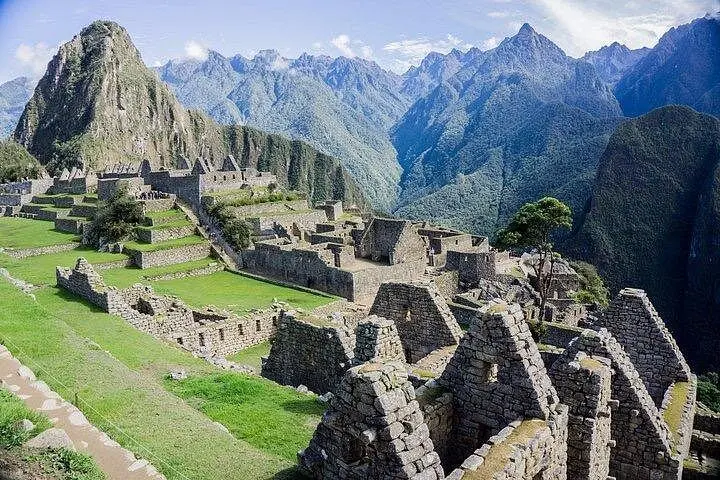
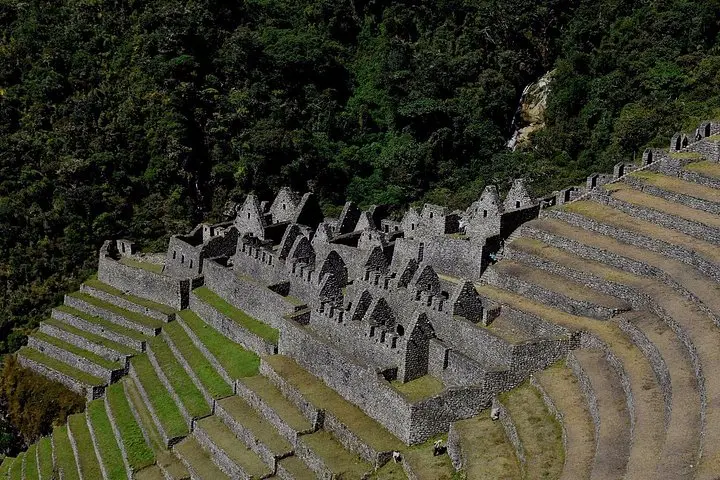
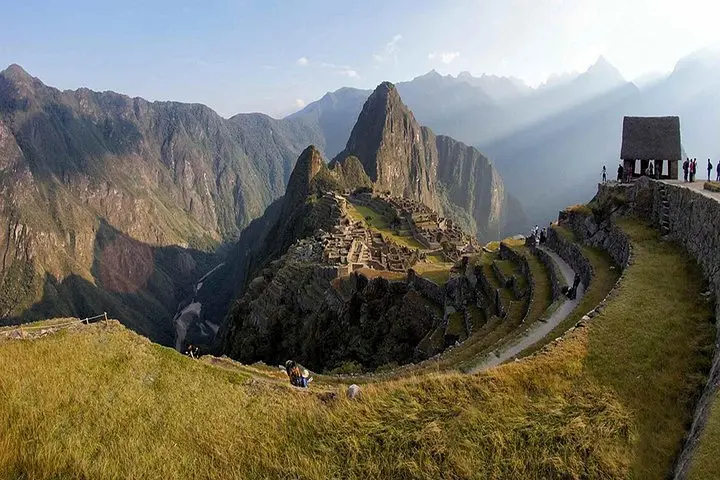
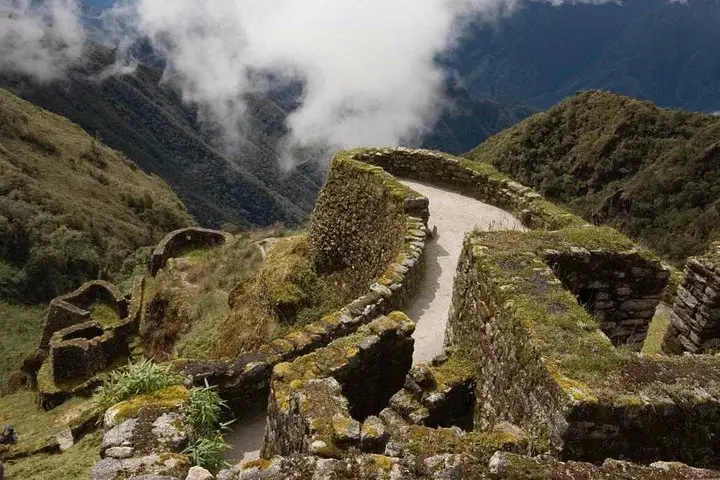
A pre-dawn train slides through the Sacred Valley as fog peels off steep, green walls and the Urubamba River dares you from below. By midmorning the trail narrows to ancient stone staircases and jungle-slick steps; orchids and moss clutch the carved terraces while bird calls punctuate the climb toward Inti Punku, the Sun Gate.
Verified experiences and guided adventures in the surrounding area.
Operated by South America Exploor · Aguas Calientes (Machu Picchu Pueblo), Cusco Region
A pre-dawn train slides through the Sacred Valley as fog peels off steep, green walls and the Urubamba River dares you from below. By midmorning the trail narrows to ancient stone staircases and jungle-slick steps; orchids and moss clutch the carved terraces while bird calls punctuate the climb toward Inti Punku, the Sun Gate.
This two-day itinerary follows the short Inca Trail section from Km 104, crossing semi-tropical cloud forest into the high Andean ridge above Machu Picchu. The route threads living Inca agricultural sites such as Chachabamba and Wiñaywayna—stone complexes that reveal pre-Columbian engineering and terracing—and finishes with a sunrise approach to the citadel used by Inca pilgrims and messengers in the 15th century.
Geologically, the path runs along steep granite spurs cut by the Urubamba gorge; expect rapid changes in microclimate as you climb from about 2,200 to 2,720 meters. Culturally, guides will point out Quechua place names and farming practices still visible on the slopes.
Practically: the hike includes roughly 10–12 km of walking over uneven stone, with cumulative elevation gain around 400–600 m and several steep stair sections—plan for 4–6 hours of hiking on day one. Carry water, snacks, a rain shell and sturdy boots; passports are checked at the trailhead and permits are limited. Arrive in Cusco early for at least 24–48 hours of acclimatization, budget time for trains and buses between Ollantaytambo, Aguas Calientes and Machu Picchu, and reserve the early bus to catch sunrise at the citadel.
Yes—entrance to the Inca Trail and Machu Picchu is regulated; the tour provides the required permits and checks passport details at the trailhead.
Expect 10–12 km with steep stone steps and about 400–600 m of climbing over several hours—moderate fitness is required.
On day one you'll arrive at the Sun Gate and descend to Machu Picchu before taking the bus to Aguas Calientes; the main guided visit is early on day two for sunrise and a 2-hour tour.
Symptoms can occur above 2,200 m; acclimatize in Cusco, stay hydrated, move at a steady pace and consult a doctor for medication if you have a history of severe altitude issues.
South America Exploor operates guided outdoor trips and adventures with an emphasis on safety, stewardship, and memorable experiences.
A pre-dawn train slides through the Sacred Valley as fog peels off steep, green walls and the Urubamba River dares you from below. By midmorning the trail narrows to ancient stone staircases and jungle-slick steps; orchids and moss clutch the carved terraces while bird calls punctuate the climb toward Inti Punku, the Sun Gate.
A pre-dawn train slides through the Sacred Valley as fog peels off steep, green walls and the Urubamba River dares you from below. By midmorning the trail narrows to ancient stone staircases and jungle-slick steps; orchids and moss clutch the carved terraces while bird calls punctuate the climb toward Inti Punku, the Sun Gate.
This two-day itinerary follows the short Inca Trail section from Km 104, crossing semi-tropical cloud forest into the high Andean ridge above Machu Picchu. The route threads living Inca agricultural sites such as Chachabamba and Wiñaywayna—stone complexes that reveal pre-Columbian engineering and terracing—and finishes with a sunrise approach to the citadel used by Inca pilgrims and messengers in the 15th century.
Geologically, the path runs along steep granite spurs cut by the Urubamba gorge; expect rapid changes in microclimate as you climb from about 2,200 to 2,720 meters. Culturally, guides will point out Quechua place names and farming practices still visible on the slopes.
Practically: the hike includes roughly 10–12 km of walking over uneven stone, with cumulative elevation gain around 400–600 m and several steep stair sections—plan for 4–6 hours of hiking on day one. Carry water, snacks, a rain shell and sturdy boots; passports are checked at the trailhead and permits are limited. Arrive in Cusco early for at least 24–48 hours of acclimatization, budget time for trains and buses between Ollantaytambo, Aguas Calientes and Machu Picchu, and reserve the early bus to catch sunrise at the citadel.