
Two-Day Inca Trail Trek: Winay Wayna to Machu Picchu via Inti Punku
Walk the final, evocative section of the Inca Trail from km 104 to Machu Picchu in two days—Winay Wayna, Sun Gate panoramas, and the citadel at first light. This compact trek delivers Inca archaeology and cloud-forest hiking with less time and logistics than the full trail.
An Adventure In Aguas Calientes (Machupicchu Pueblo).
Walk the final, evocative section of the Inca Trail from km 104 to Machu Picchu in two days—Winay Wayna, Sun Gate panoramas, and the citadel at first light. This compact trek delivers Inca archaeology and cloud-forest hiking with less time and logistics than the full trail.
Read the full experience
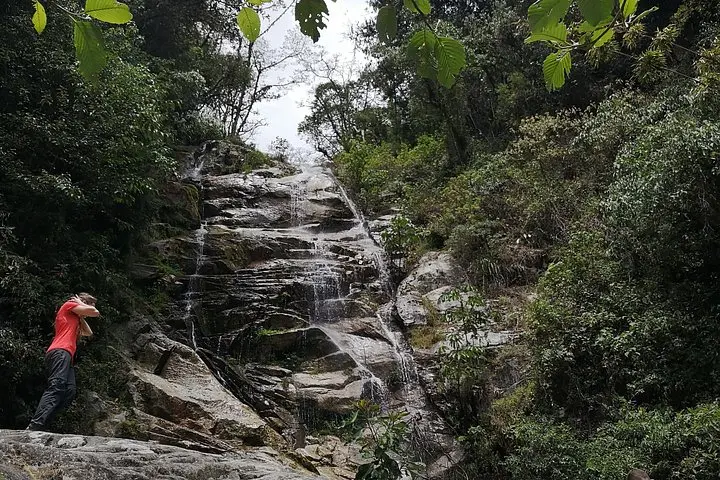
The train drops you at km 104 and the trail pulls you into cloud forest—moss-wet stones, narrow Inca steps, and a river that dares you to keep pace. Over the next two days you walk the last, most atmospheric section of the classic Inca Trail, moving through terraces and temple ruins before spilling out at Inti Punku (the Sun Gate) with Machu Picchu opening below.
The train drops you at km 104 and the trail pulls you into cloud forest—moss-wet stones, narrow Inca steps, and a river that dares you to keep pace. Over the next two days you walk the last, most atmospheric section of the classic Inca Trail, moving through terraces and temple ruins before spilling out at Inti Punku (the Sun Gate) with Machu Picchu opening below.
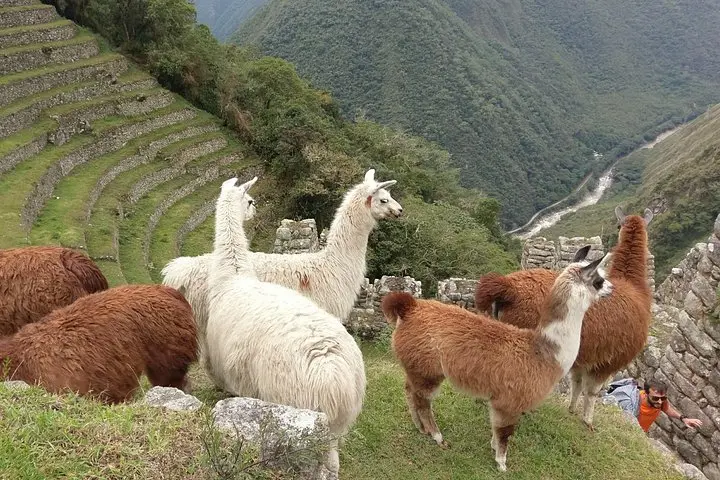
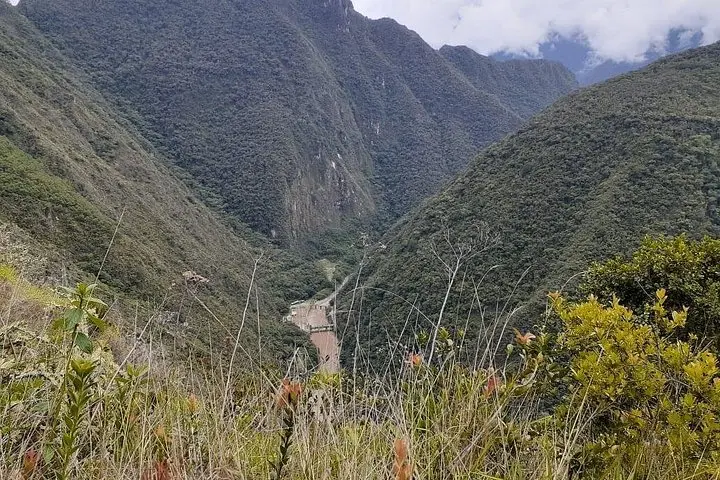
This short trek threads history into landscape: Inca stonework clings to steep slopes, agricultural terraces march the hillsides, and sites like Wiñay Wayna (built some 500–600 years ago) show the empire’s mountain engineering. Geologically the route follows the Urubamba River valley carved from Andean granite and schist, with steep microclimates that shift from humid cloud forest to exposed archaeological terraces.
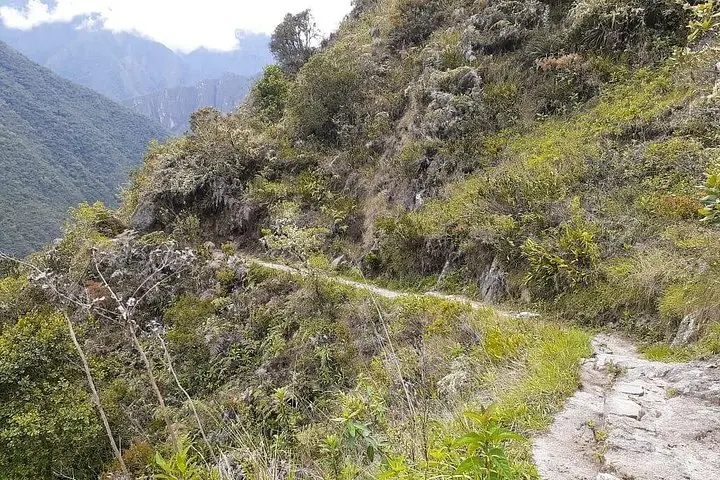
Expect roughly 11–13 km of trail over two days with 400–600 m of cumulative ascent and descent; much of the walking is on stone stairways and narrow single-track, punctuated by archaeological steps and occasional slippery sections after rain.
Practical guidance: acclimatize in Cusco for 48–72 hours before the trek, bring layered clothing for sun and damp, and wear grippy boots—stone steps are hard on ankles. A small daypack, hydration system, and poles improve comfort. Permits and guided entry control access on this stretch; trains and buses return you to Cusco from Aguas Calientes. Pace conservatively on the steeper stone sections and plan photos at Inti Punku at sunrise or late afternoon when light favors the citadel.
Frequently asked questions
Yes; access to the official Inca Trail corridor is limited and guided permits are required—book through authorized operators in advance.
Day two is largely approach and exploration of Machu Picchu with moderate uphill to Inti Punku; allow time for walking inside the citadel and photo stops.
It's strongly recommended to acclimatize—altitude can cause fatigue and headache; plan rest days in Cusco or the Sacred Valley first.
Stiff-soled, waterproof hiking boots with good tread are best; trail runners can work if you have strong ankles and dry conditions, but risk is higher.
About This Experience
Aita Peru Adventures operates guided outdoor trips and adventures with an emphasis on safety, stewardship, and memorable experiences.
Adventure tips
Recommended gear
- Sturdy hiking boots: Support and traction on steep stone steps and uneven trail surfaces
- Light waterproof jacket: Protects from sudden rain and retains warmth in damp cloud-forest conditions
- Hydration reservoir (2L): Easy access to water for sustained effort and altitude adaptation
- Trekking poles: Reduce knee strain on descents and provide balance on uneven stone stairways
Photos of the experience
Related adventures & guides
Read the full experience
The train drops you at km 104 and the trail pulls you into cloud forest—moss-wet stones, narrow Inca steps, and a river that dares you to keep pace. Over the next two days you walk the last, most atmospheric section of the classic Inca Trail, moving through terraces and temple ruins before spilling out at Inti Punku (the Sun Gate) with Machu Picchu opening below.
The train drops you at km 104 and the trail pulls you into cloud forest—moss-wet stones, narrow Inca steps, and a river that dares you to keep pace. Over the next two days you walk the last, most atmospheric section of the classic Inca Trail, moving through terraces and temple ruins before spilling out at Inti Punku (the Sun Gate) with Machu Picchu opening below.
This short trek threads history into landscape: Inca stonework clings to steep slopes, agricultural terraces march the hillsides, and sites like Wiñay Wayna (built some 500–600 years ago) show the empire’s mountain engineering. Geologically the route follows the Urubamba River valley carved from Andean granite and schist, with steep microclimates that shift from humid cloud forest to exposed archaeological terraces.
Expect roughly 11–13 km of trail over two days with 400–600 m of cumulative ascent and descent; much of the walking is on stone stairways and narrow single-track, punctuated by archaeological steps and occasional slippery sections after rain.
Practical guidance: acclimatize in Cusco for 48–72 hours before the trek, bring layered clothing for sun and damp, and wear grippy boots—stone steps are hard on ankles. A small daypack, hydration system, and poles improve comfort. Permits and guided entry control access on this stretch; trains and buses return you to Cusco from Aguas Calientes. Pace conservatively on the steeper stone sections and plan photos at Inti Punku at sunrise or late afternoon when light favors the citadel.
Make a day of it nearby.
Verified experiences and guided adventures in the surrounding area.