THE ADVENTURE COLLECTIVE® · Independent discovery and booking for outdoor travel

See Jordan’s essentials in two days: Petra’s rock-cut streets, a Bedouin night in Wadi Rum, the canyon views of Wadi Mujib, a quick look at Aqaba, and a float in the Dead Sea. This compact private tour blends history, desert driving and coastal contrast—best for travelers comfortable with long days and uneven ground.
See Jordan’s essentials in two days: Petra’s rock-cut streets, a Bedouin night in Wadi Rum, the canyon views of Wadi Mujib, a quick look at Aqaba, and a float in the Dead Sea. This compact private tour blends history, desert driving and coastal contrast—best for travelers comfortable with long days and uneven ground.
You arrive at Petra through the Siq as the canyon light sharpens the carved facades; the air carries sand and a faint scent of diesel from the road that linked caravans centuries ago. Over the next 48 hours you move between landscapes that change like pages: the Nabatean red stone of Petra, the flat, wind-swept salt flats of the Dead Sea, the sculpted granite and sandstone towers of Wadi Rum, and the sudden coastal blue of Aqaba.
Verified experiences and guided adventures in the surrounding area.
Operated by Jordanizer · Wadi Musa, Ma'an Governorate
You arrive at Petra through the Siq as the canyon light sharpens the carved facades; the air carries sand and a faint scent of diesel from the road that linked caravans centuries ago. Over the next 48 hours you move between landscapes that change like pages: the Nabatean red stone of Petra, the flat, wind-swept salt flats of the Dead Sea, the sculpted granite and sandstone towers of Wadi Rum, and the sudden coastal blue of Aqaba.
Historically, Petra was a Nabatean hub for incense and spice routes and its water channels and dams reveal a pragmatic engineering side to its beauty. Wadi Rum’s red cliffs are geological pages of erosion and tectonic lift; Bedouin families continue to live and work here, offering cultural exchange alongside guided jeep routes. Wadi Mujib traces a dramatic gorge that feeds into the Dead Sea basin, itself the lowest point on Earth and receding due to regional water use.
Practically, this is a packed itinerary: expect long vehicle transfers, a half- to full-day on foot in Petra across uneven stone and steps, a 2-hour 4x4 in Wadi Rum, and a short city tour in Aqaba with time to float at the Dead Sea. Bring hydration, sun protection, and layered clothing for cool desert nights. Allow time for checkpoints and modest dress at religious sites. If you want the most out of two days, move deliberately—prioritize Petra’s Siq and Treasury at first light, plan a sunset or moonlit moment in Wadi Rum, and leave a buffer for Dead Sea rinsing after a salty dip.
This tour notes access to Petra but check whether the Petra ticket is included—many short tours exclude full-site admission; consider buying the Jordan Pass if you meet its stay requirements.
The tour lists a one-night Bedouin camp stay with dinner and breakfast included—confirm specifics (private tent vs. communal) when booking.
Wear older swimwear you don't mind ruining, avoid shaving before floating, don’t submerge your head, and rinse with fresh water afterward to remove salt and mud.
Travel insurance that covers emergency evacuation is recommended; no special permits are required for these sites, but the Jordan Pass can waive entry fees if your stay and itinerary qualify.
Jordanizer operates guided outdoor trips and adventures with an emphasis on safety, stewardship, and memorable experiences.
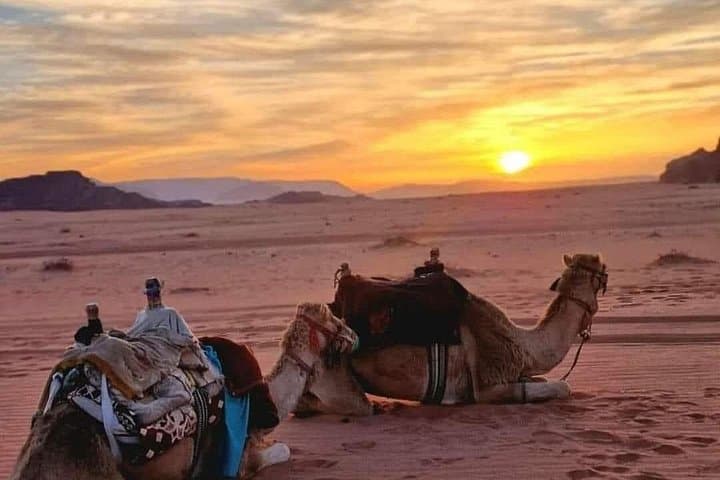


You arrive at Petra through the Siq as the canyon light sharpens the carved facades; the air carries sand and a faint scent of diesel from the road that linked caravans centuries ago. Over the next 48 hours you move between landscapes that change like pages: the Nabatean red stone of Petra, the flat, wind-swept salt flats of the Dead Sea, the sculpted granite and sandstone towers of Wadi Rum, and the sudden coastal blue of Aqaba.
You arrive at Petra through the Siq as the canyon light sharpens the carved facades; the air carries sand and a faint scent of diesel from the road that linked caravans centuries ago. Over the next 48 hours you move between landscapes that change like pages: the Nabatean red stone of Petra, the flat, wind-swept salt flats of the Dead Sea, the sculpted granite and sandstone towers of Wadi Rum, and the sudden coastal blue of Aqaba.
Historically, Petra was a Nabatean hub for incense and spice routes and its water channels and dams reveal a pragmatic engineering side to its beauty. Wadi Rum’s red cliffs are geological pages of erosion and tectonic lift; Bedouin families continue to live and work here, offering cultural exchange alongside guided jeep routes. Wadi Mujib traces a dramatic gorge that feeds into the Dead Sea basin, itself the lowest point on Earth and receding due to regional water use.
Practically, this is a packed itinerary: expect long vehicle transfers, a half- to full-day on foot in Petra across uneven stone and steps, a 2-hour 4x4 in Wadi Rum, and a short city tour in Aqaba with time to float at the Dead Sea. Bring hydration, sun protection, and layered clothing for cool desert nights. Allow time for checkpoints and modest dress at religious sites. If you want the most out of two days, move deliberately—prioritize Petra’s Siq and Treasury at first light, plan a sunset or moonlit moment in Wadi Rum, and leave a buffer for Dead Sea rinsing after a salty dip.