THE ADVENTURE COLLECTIVE® · Independent discovery and booking for outdoor travel

Two days in Kathmandu that compress centuries of art, religion and urban life into guided visits to Swayambhunath, Boudhanath, Pashupatinath and the three Durbar Squares. Expect hilltop views, temple rituals and close-up encounters with Newar craftsmanship—paired with practical tips for timing, dress and entrance fees.
Two days in Kathmandu that compress centuries of art, religion and urban life into guided visits to Swayambhunath, Boudhanath, Pashupatinath and the three Durbar Squares. Expect hilltop views, temple rituals and close-up encounters with Newar craftsmanship—paired with practical tips for timing, dress and entrance fees.
You step out into a swirl of prayer flags and exhaust, the air carrying incense and the low murmur of bells. Morning light catches the white dome of Boudhanath as pilgrims circumambulate, while a river threads through the city below Pashupatinath, insisting on ritual before sunrise. Over two compact days the tour moves through the living history of the Kathmandu Valley—dense streets, stone courtyards and terraces that demand you slow your pace and notice the details.
Verified experiences and guided adventures in the surrounding area.
Operated by Nepal Horizon Treks and Expedition Pvt. Ltd. · Kathmandu, Bagmati Province
You step out into a swirl of prayer flags and exhaust, the air carrying incense and the low murmur of bells. Morning light catches the white dome of Boudhanath as pilgrims circumambulate, while a river threads through the city below Pashupatinath, insisting on ritual before sunrise. Over two compact days the tour moves through the living history of the Kathmandu Valley—dense streets, stone courtyards and terraces that demand you slow your pace and notice the details.
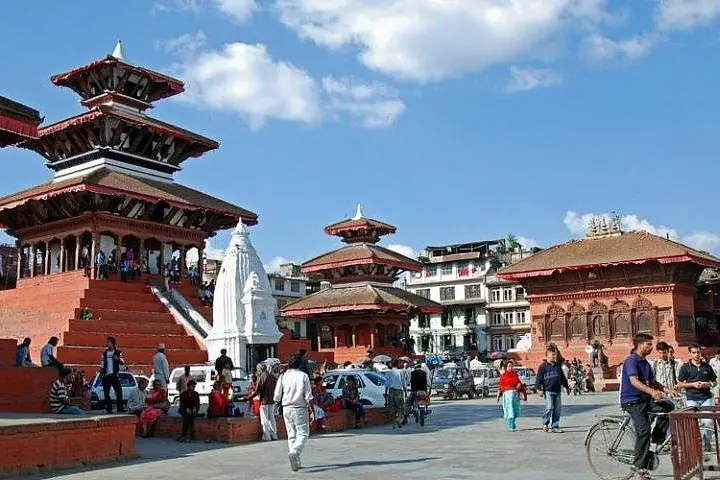
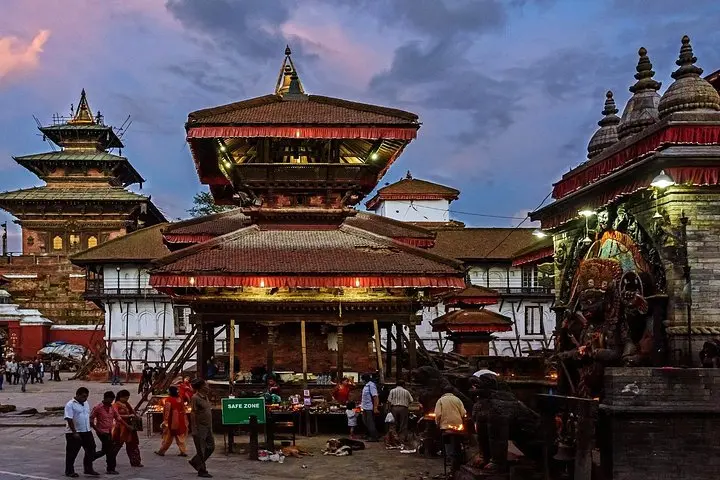
Geologically the valley is a high bowl of river and lake deposits sitting around 1,400 m, ringed by wooded ridges; that compact basin concentrated trade, religion and the artistry of the Newar people. The itinerary visits Swayambhunath’s hilltop stupa (roughly 365 steps), the vast white mandala of Boudhanath, the cremation ghats along the Bagmati at Pashupatinath, and the royal complexes of Kathmandu, Patan and Bhaktapur Durbar Squares—each a chapter in Malla-era craftsmanship from stone to gilt wood and bronze.
Expect cobbled lanes, stair climbs, and crowded marketplaces. Entrance fees are typically paid on-site; this private tour includes transport, pickup and a guide but not museum admissions. Practical notes: modest dress for temples, sturdy shoes for uneven paving, and a daypack with water and sun protection. Mornings bring clearer air and softer light for photography; late afternoons cool the valley and reduce traffic.
This tour is culture-forward rather than strenuous—ideal for travelers who want concentrated access to Kathmandu’s UNESCO sites with local context, short walks between highlights, and the convenience of private transport and an experienced guide.
No—this tour’s price typically excludes site admissions; plan to pay at each location in local currency.
Yes—it's categorized as easy with private transport and flexible pacing, but stair sections (Swayambhunath) may be challenging for some.
Yes—Pashupatinath is an active cremation site and rituals are visible from designated viewing areas; show respect and follow guide instructions.
Expect 5–6 hours of touring per day including short street walks and stairs; transport reduces long transfers between sites.
Nepal Horizon Treks and Expedition Pvt. Ltd. operates guided outdoor trips and adventures with an emphasis on safety, stewardship, and memorable experiences.
You step out into a swirl of prayer flags and exhaust, the air carrying incense and the low murmur of bells. Morning light catches the white dome of Boudhanath as pilgrims circumambulate, while a river threads through the city below Pashupatinath, insisting on ritual before sunrise. Over two compact days the tour moves through the living history of the Kathmandu Valley—dense streets, stone courtyards and terraces that demand you slow your pace and notice the details.
You step out into a swirl of prayer flags and exhaust, the air carrying incense and the low murmur of bells. Morning light catches the white dome of Boudhanath as pilgrims circumambulate, while a river threads through the city below Pashupatinath, insisting on ritual before sunrise. Over two compact days the tour moves through the living history of the Kathmandu Valley—dense streets, stone courtyards and terraces that demand you slow your pace and notice the details.
Geologically the valley is a high bowl of river and lake deposits sitting around 1,400 m, ringed by wooded ridges; that compact basin concentrated trade, religion and the artistry of the Newar people. The itinerary visits Swayambhunath’s hilltop stupa (roughly 365 steps), the vast white mandala of Boudhanath, the cremation ghats along the Bagmati at Pashupatinath, and the royal complexes of Kathmandu, Patan and Bhaktapur Durbar Squares—each a chapter in Malla-era craftsmanship from stone to gilt wood and bronze.
Expect cobbled lanes, stair climbs, and crowded marketplaces. Entrance fees are typically paid on-site; this private tour includes transport, pickup and a guide but not museum admissions. Practical notes: modest dress for temples, sturdy shoes for uneven paving, and a daypack with water and sun protection. Mornings bring clearer air and softer light for photography; late afternoons cool the valley and reduce traffic.
This tour is culture-forward rather than strenuous—ideal for travelers who want concentrated access to Kathmandu’s UNESCO sites with local context, short walks between highlights, and the convenience of private transport and an experienced guide.