THE ADVENTURE COLLECTIVE® · Independent discovery and booking for outdoor travel

Swap city traffic for hippos, zebras and papyrus shores on a compact two-day safari to Lake Mburo. This trip combines evening game drives, a morning boat cruise and an Equator photo stop for a tight but wildlife-rich Uganda experience.
Swap city traffic for hippos, zebras and papyrus shores on a compact two-day safari to Lake Mburo. This trip combines evening game drives, a morning boat cruise and an Equator photo stop for a tight but wildlife-rich Uganda experience.
Dawn lifts a pale light across rippled water as hippos blow bubbles and reed beds lean toward the wind—this is Lake Mburo on the first morning of a two-day safari. You arrive by road, trading Kampala’s bustle for rolling Ankole hills and short, open savanna where zebras strip the grass in bold strokes and giraffes bend like slow-moving sentries.
Verified experiences and guided adventures in the surrounding area.
Operated by Bright Safaris Uganda · Mbarara, Western Region
Dawn lifts a pale light across rippled water as hippos blow bubbles and reed beds lean toward the wind—this is Lake Mburo on the first morning of a two-day safari. You arrive by road, trading Kampala’s bustle for rolling Ankole hills and short, open savanna where zebras strip the grass in bold strokes and giraffes bend like slow-moving sentries.
Lake Mburo National Park (established 1983) sits in Uganda’s Western Region, carved from granite outcrops and broad flood plains. The park’s shallow lakes and papyrus-fringed channels were shaped by tectonic shifts and seasonal rains; the result is a mosaic of woodland, acacia scrub, and open grassland that supports impala, Uganda kob, buffalo, zebras, hippos and a wide waterbird assemblage. Local life remains tied to Ankole cattle culture—herders and their long-horned cattle are a constant presence on the road into the park.
The itinerary pairs an evening game drive on day one with a morning boat cruise on Lake Mburo on day two (expect roughly two hours on the water), then a return via Masaka with a photo stop at the Equator. Travel time from Entebbe is approximately 5–6 hours by road; elevation in the area is about 1,200–1,400 m.
Practical essentials: travel light but bring binoculars and a camera with a zoom lens, malaria prophylaxis and insect repellent, sun protection, and layered clothing for cool mornings. Boat decks are exposed—secure hats and electronics. Plan visits in the drier months (June–August, Dec–Feb) for clearer roads and concentrated wildlife, and allow time for slow sightings—animals here are deliberate and the landscape rewards patience.
The itinerary includes a roughly two-hour morning boat cruise focused on waterside wildlife and birdwatching; exact duration can vary with water levels and sightings.
Common sightings include zebras, impala, Uganda kob, buffalo, hippos from the water, and a variety of waterbirds; sightings are never guaranteed but increase in the dry season.
Expect about 5–6 hours by road from Entebbe/Kampala to Lake Mburo depending on traffic and road conditions, with a stop for lunch en route in Mbarara on this tour.
The tour is rated easy and suitable for most fitness levels; however, guests should be able to get in/out of safari vehicles and onto the boat—notify the operator of mobility concerns when booking.
Bright Safaris Uganda operates guided outdoor trips and adventures with an emphasis on safety, stewardship, and memorable experiences.
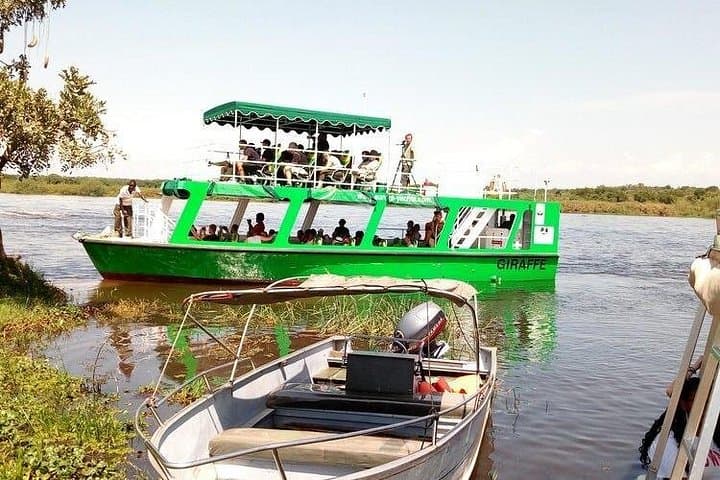


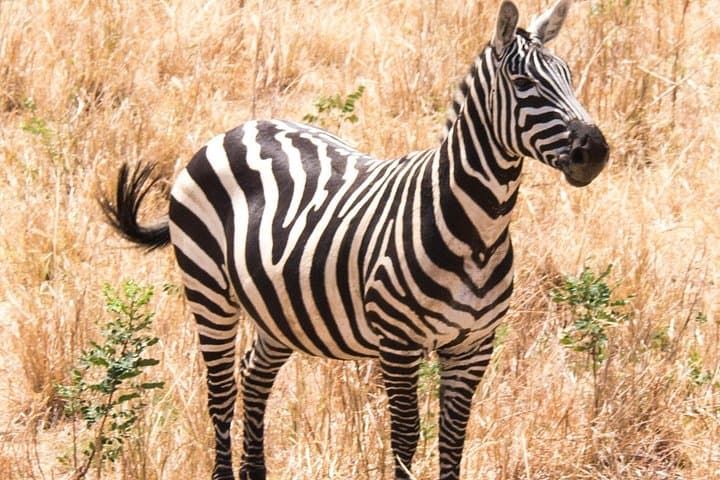
Dawn lifts a pale light across rippled water as hippos blow bubbles and reed beds lean toward the wind—this is Lake Mburo on the first morning of a two-day safari. You arrive by road, trading Kampala’s bustle for rolling Ankole hills and short, open savanna where zebras strip the grass in bold strokes and giraffes bend like slow-moving sentries.
Dawn lifts a pale light across rippled water as hippos blow bubbles and reed beds lean toward the wind—this is Lake Mburo on the first morning of a two-day safari. You arrive by road, trading Kampala’s bustle for rolling Ankole hills and short, open savanna where zebras strip the grass in bold strokes and giraffes bend like slow-moving sentries.
Lake Mburo National Park (established 1983) sits in Uganda’s Western Region, carved from granite outcrops and broad flood plains. The park’s shallow lakes and papyrus-fringed channels were shaped by tectonic shifts and seasonal rains; the result is a mosaic of woodland, acacia scrub, and open grassland that supports impala, Uganda kob, buffalo, zebras, hippos and a wide waterbird assemblage. Local life remains tied to Ankole cattle culture—herders and their long-horned cattle are a constant presence on the road into the park.
The itinerary pairs an evening game drive on day one with a morning boat cruise on Lake Mburo on day two (expect roughly two hours on the water), then a return via Masaka with a photo stop at the Equator. Travel time from Entebbe is approximately 5–6 hours by road; elevation in the area is about 1,200–1,400 m.
Practical essentials: travel light but bring binoculars and a camera with a zoom lens, malaria prophylaxis and insect repellent, sun protection, and layered clothing for cool mornings. Boat decks are exposed—secure hats and electronics. Plan visits in the drier months (June–August, Dec–Feb) for clearer roads and concentrated wildlife, and allow time for slow sightings—animals here are deliberate and the landscape rewards patience.