THE ADVENTURE COLLECTIVE® · Independent discovery and booking for outdoor travel

In 48 hours you’ll fly from Addis to Lalibela, tour the iconic rock‑hewn churches, attend a coffee ceremony and sample tej—an immersive cultural weekend at high altitude. This concise guide tells you what to expect and how to prepare.
In 48 hours you’ll fly from Addis to Lalibela, tour the iconic rock‑hewn churches, attend a coffee ceremony and sample tej—an immersive cultural weekend at high altitude. This concise guide tells you what to expect and how to prepare.
You step from the small plane into thinning air and a town carved from stone—Lalibela’s skyline a scatter of roofs and the silhouettes of monolithic churches. The wind on the high plateau pushes at your jacket as guides lead you between sunlit courtyards and narrow, carved passageways where light slices into ancient rock.
Verified experiences and guided adventures in the surrounding area.
Operated by East Africa Tour Operator · Lalibela, Amhara
You step from the small plane into thinning air and a town carved from stone—Lalibela’s skyline a scatter of roofs and the silhouettes of monolithic churches. The wind on the high plateau pushes at your jacket as guides lead you between sunlit courtyards and narrow, carved passageways where light slices into ancient rock.
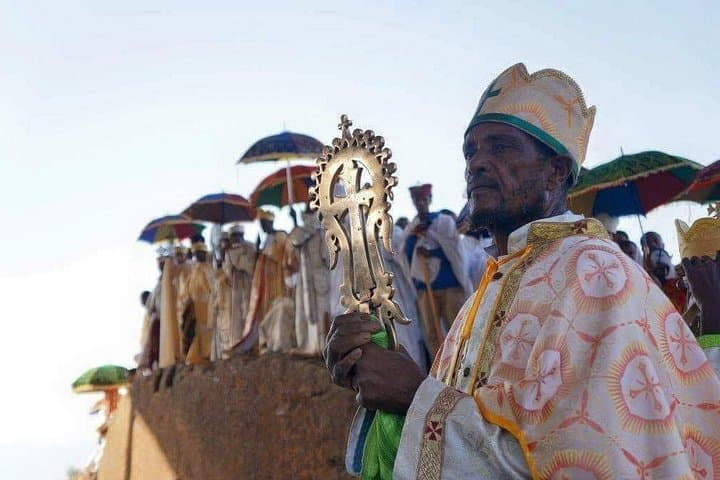
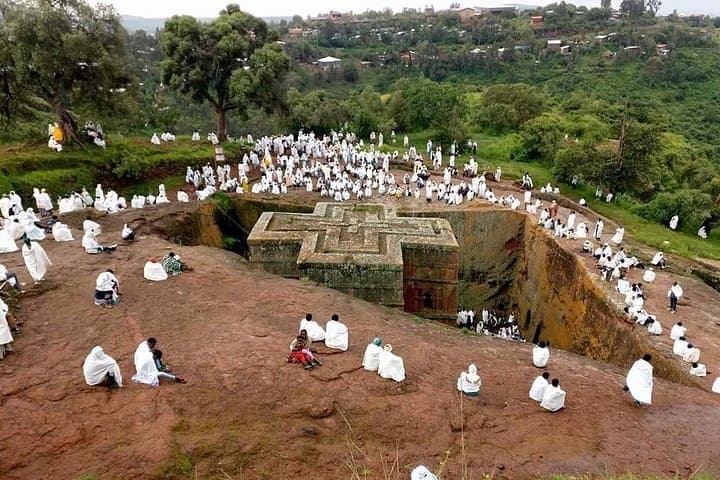
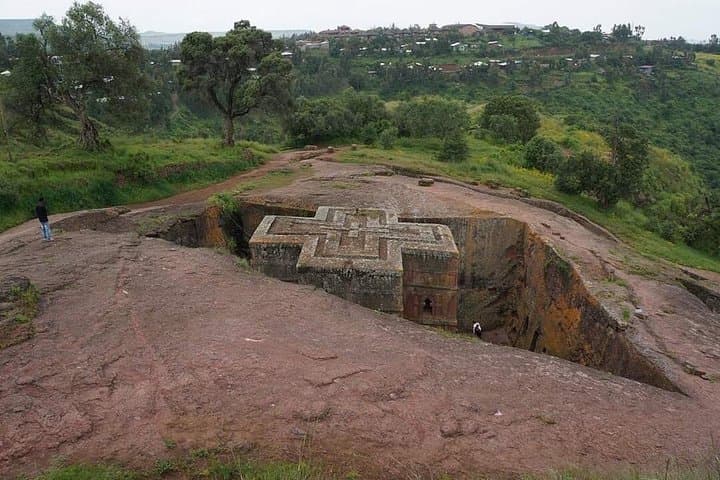
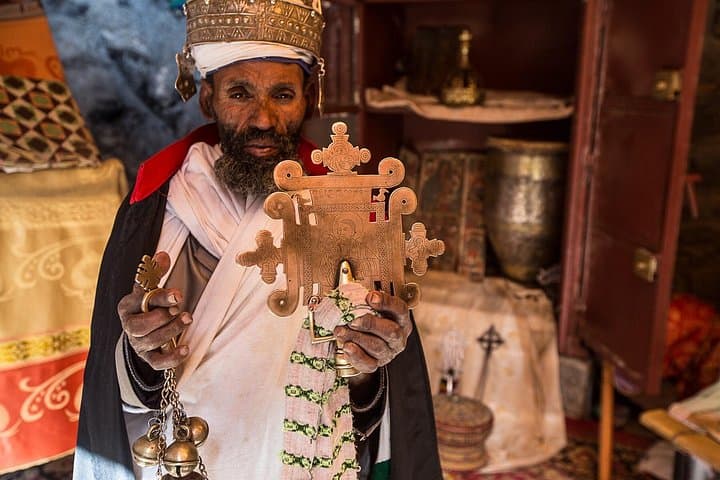
Built in the 12th century under the Zagwe dynasty, Lalibela’s eleven major churches were cut downward from living rock and remain an active pilgrimage center and UNESCO World Heritage site. The geology is dramatic: volcanic tuff that allowed masons to sculpt whole buildings in situ, producing interiors cool to the touch and frescoes softened by centuries. Local culture is immediate—coffee ceremonies offered by families, the tang of tej (honey wine), and priests in white shawls guiding rites.
Practical guidance: this is a compact, intensive 48‑hour itinerary with an included roundtrip flight from Addis, one night in a midrange hotel, guided church tours of both northern and southern groups, and meals. Expect uneven stone steps, low doorways, and short uphill walks between sites; comfortable walking shoes and layers are essential at ~2,500 m elevation. Photography rules vary—ask before photographing inside churches. Carry local cash for small purchases and tips; many sites have limited card facilities.
Timing matters—early mornings and late afternoons bring the best light and fewer crowds. Pace yourself to account for altitude, respect religious sites by dressing modestly, and leave no trace: these carved churches survive because generations cared for them—your care continues that work.
The itinerary includes a scheduled morning flight; overland options exist but are long—flying is the standard for a two‑day trip.
Most major churches in the northern and southern groups are open to visitors, but access and photography rules vary; follow your guide and local signage.
Lalibela sits near 2,500 m; most travelers tolerate it fine, but allow time for mild breathlessness and avoid strenuous exertion on arrival if you’re sensitive to altitude.
Yes—this tour includes one night in a midrange hotel with breakfast, lunch and dinner as listed in the itinerary.
East Africa Tour Operator operates guided outdoor trips and adventures with an emphasis on safety, stewardship, and memorable experiences.
You step from the small plane into thinning air and a town carved from stone—Lalibela’s skyline a scatter of roofs and the silhouettes of monolithic churches. The wind on the high plateau pushes at your jacket as guides lead you between sunlit courtyards and narrow, carved passageways where light slices into ancient rock.
You step from the small plane into thinning air and a town carved from stone—Lalibela’s skyline a scatter of roofs and the silhouettes of monolithic churches. The wind on the high plateau pushes at your jacket as guides lead you between sunlit courtyards and narrow, carved passageways where light slices into ancient rock.
Built in the 12th century under the Zagwe dynasty, Lalibela’s eleven major churches were cut downward from living rock and remain an active pilgrimage center and UNESCO World Heritage site. The geology is dramatic: volcanic tuff that allowed masons to sculpt whole buildings in situ, producing interiors cool to the touch and frescoes softened by centuries. Local culture is immediate—coffee ceremonies offered by families, the tang of tej (honey wine), and priests in white shawls guiding rites.
Practical guidance: this is a compact, intensive 48‑hour itinerary with an included roundtrip flight from Addis, one night in a midrange hotel, guided church tours of both northern and southern groups, and meals. Expect uneven stone steps, low doorways, and short uphill walks between sites; comfortable walking shoes and layers are essential at ~2,500 m elevation. Photography rules vary—ask before photographing inside churches. Carry local cash for small purchases and tips; many sites have limited card facilities.
Timing matters—early mornings and late afternoons bring the best light and fewer crowds. Pace yourself to account for altitude, respect religious sites by dressing modestly, and leave no trace: these carved churches survive because generations cared for them—your care continues that work.