THE ADVENTURE COLLECTIVE® · Independent discovery and booking for outdoor travel

Explore Lusaka's museums, markets, and conservation sites on a two-day private tour that mixes cultural immersion with a short safari and an elephant nursery visit. Ideal for travelers seeking easy walking, wildlife encounters, and authentic local meals.
Explore Lusaka's museums, markets, and conservation sites on a two-day private tour that mixes cultural immersion with a short safari and an elephant nursery visit. Ideal for travelers seeking easy walking, wildlife encounters, and authentic local meals.
You step out of the private vehicle into the heat and pulse of Lusaka: vendors calling, tomatoes glinting like small suns, and the Freedom Statue standing watch over a city that rose quickly after independence.
Verified experiences and guided adventures in the surrounding area.
Operated by Rimor Tours Limited · Lusaka, Lusaka Province
You step out of the private vehicle into the heat and pulse of Lusaka: vendors calling, tomatoes glinting like small suns, and the Freedom Statue standing watch over a city that rose quickly after independence.
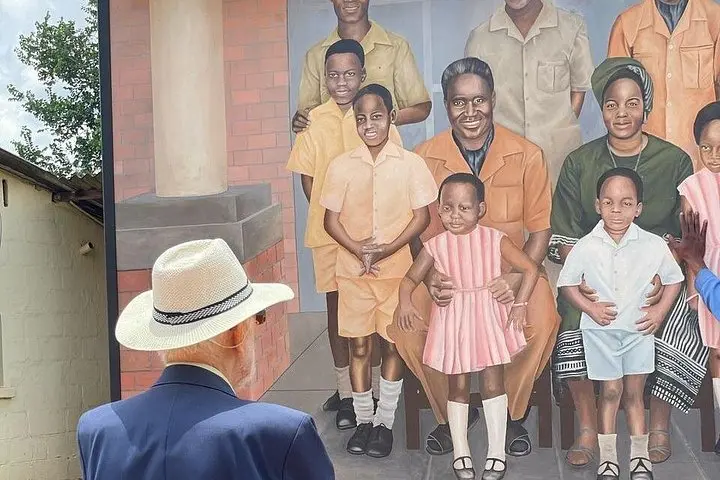
Day one threads through Lusaka Museum and the 37d Gallery, where contemporary works sit beside ethnographic collections; the city's plateaus — roughly 1,200–1,300 meters above sea level — keep afternoons bright and the air surprisingly dry most of the year. The market hums with commerce and local voices, and a midday plate of nshima and beef or fish tastes of the place in a way guidebooks can't replicate.
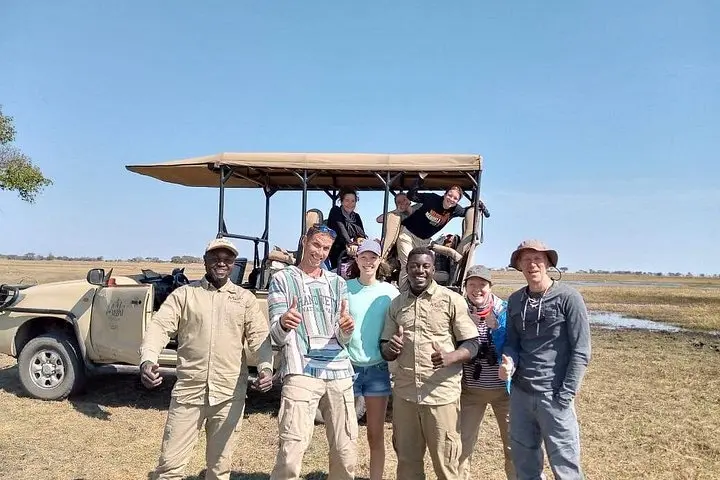
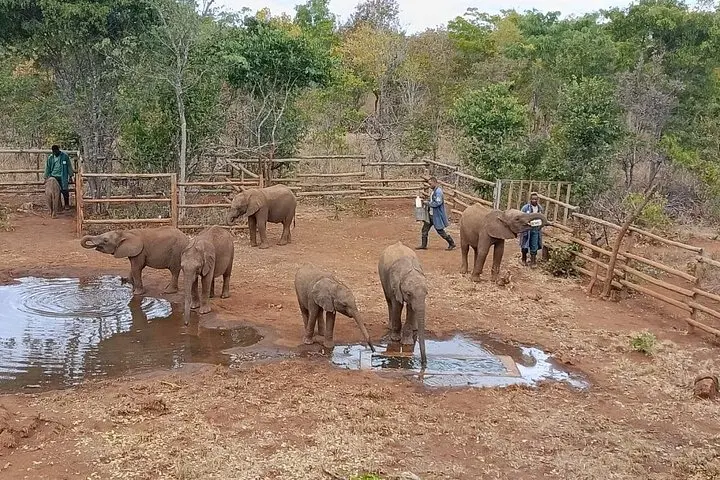
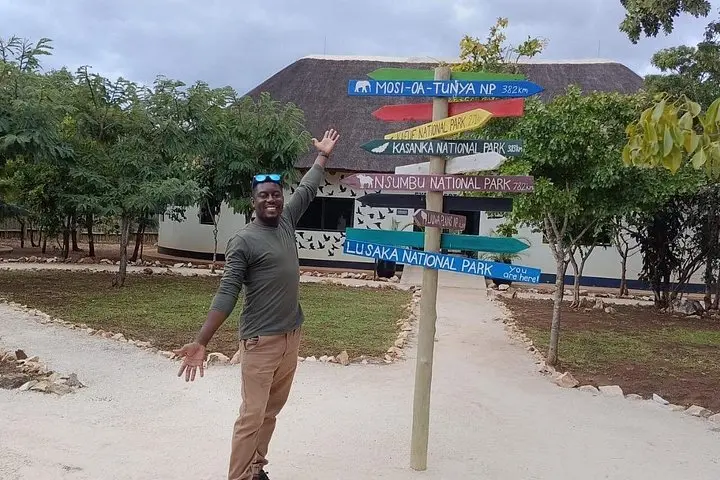
On day two the tour leans wild: a short drive brings you to Lusaka National Park and an elephant nursery where rescued calves are rehabilitated. Acacia trees bend like sentries along sandy tracks; impala graze at a cautious distance and vervet monkeys patrol the treetops.
Practical guide: the itinerary is compact—expect moderate walking at markets, uneven terrain at Munda Wanga and the park, and several short drives. Meals and private transport are included; a home-cooked dinner with a local family offers cultural exchange and authentic flavors. Bring sun protection, a refillable water bottle, and comfortable shoes. Early starts avoid the hottest daylight and improve wildlife sightings. Note: some conservation areas limit contact and visitation times to protect animals.
This two-day loop pairs urban cultural insight with a focused conservation experience—suitable for travelers wanting accessible, grounded encounters with Lusaka's history and natural life.
Private transportation, two lunches, entrance fees listed in the itinerary, visits to Lusaka Museum, 37d Gallery, Lusaka National Park, Munda Wanga, Kabwata Cultural Village, and a home-cooked dinner with a local family.
The tour is family-friendly and stroller-accessible in many areas; however, some sites have uneven ground—notify the operator of mobility needs so they can advise or adjust the itinerary.
The elephant nursery is a sanctuary with regular visits, but animal sightings depend on care schedules and conservation activities; sightings in the adjoining national park vary by season and time of day.
Zambian kwacha is standard for purchases at markets; many places accept card payments but small cash is useful for tips and purchases—tipping guides and drivers is appreciated but discretionary.
Rimor Tours Limited operates guided outdoor trips and adventures with an emphasis on safety, stewardship, and memorable experiences.
You step out of the private vehicle into the heat and pulse of Lusaka: vendors calling, tomatoes glinting like small suns, and the Freedom Statue standing watch over a city that rose quickly after independence.
You step out of the private vehicle into the heat and pulse of Lusaka: vendors calling, tomatoes glinting like small suns, and the Freedom Statue standing watch over a city that rose quickly after independence.
Day one threads through Lusaka Museum and the 37d Gallery, where contemporary works sit beside ethnographic collections; the city's plateaus — roughly 1,200–1,300 meters above sea level — keep afternoons bright and the air surprisingly dry most of the year. The market hums with commerce and local voices, and a midday plate of nshima and beef or fish tastes of the place in a way guidebooks can't replicate.
On day two the tour leans wild: a short drive brings you to Lusaka National Park and an elephant nursery where rescued calves are rehabilitated. Acacia trees bend like sentries along sandy tracks; impala graze at a cautious distance and vervet monkeys patrol the treetops.
Practical guide: the itinerary is compact—expect moderate walking at markets, uneven terrain at Munda Wanga and the park, and several short drives. Meals and private transport are included; a home-cooked dinner with a local family offers cultural exchange and authentic flavors. Bring sun protection, a refillable water bottle, and comfortable shoes. Early starts avoid the hottest daylight and improve wildlife sightings. Note: some conservation areas limit contact and visitation times to protect animals.
This two-day loop pairs urban cultural insight with a focused conservation experience—suitable for travelers wanting accessible, grounded encounters with Lusaka's history and natural life.