THE ADVENTURE COLLECTIVE® · Independent discovery and booking for outdoor travel

A private two-day drive from Marsa Alam delivers Karnak’s colonnades, Luxor Temple’s festival avenues, and the tomb-filled Valley of the Kings. This guided trip pairs curated historical context with comfortable transfers and an overnight stay in Luxor.
A private two-day drive from Marsa Alam delivers Karnak’s colonnades, Luxor Temple’s festival avenues, and the tomb-filled Valley of the Kings. This guided trip pairs curated historical context with comfortable transfers and an overnight stay in Luxor.
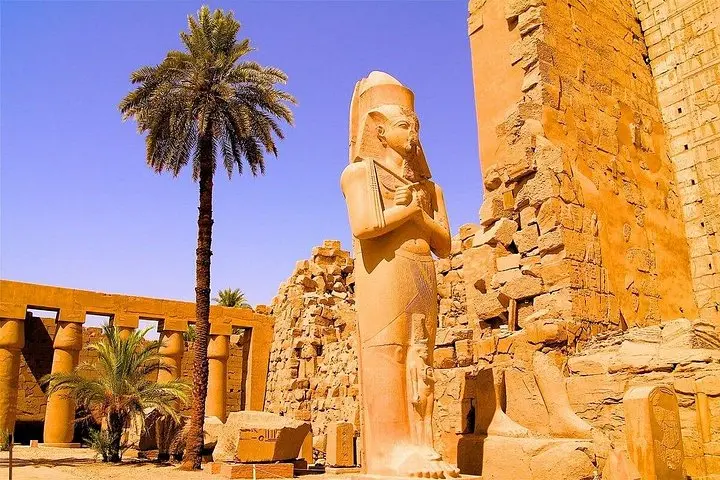
The bus eases out of Marsa Alam before dawn and the desert light sharpens into gold as the road points north toward Luxor. By midmorning you arrive under towering stone avenues — columns and statues that stop you in place. The Karnak pylons loom; the Nile thread cuts the floodplain and dares you to cross it for a closer look at Luxor's living past.
Verified experiences and guided adventures in the surrounding area.
Operated by Get Egypt Vacation · Luxor, Luxor Governorate
The bus eases out of Marsa Alam before dawn and the desert light sharpens into gold as the road points north toward Luxor. By midmorning you arrive under towering stone avenues — columns and statues that stop you in place. The Karnak pylons loom; the Nile thread cuts the floodplain and dares you to cross it for a closer look at Luxor's living past.
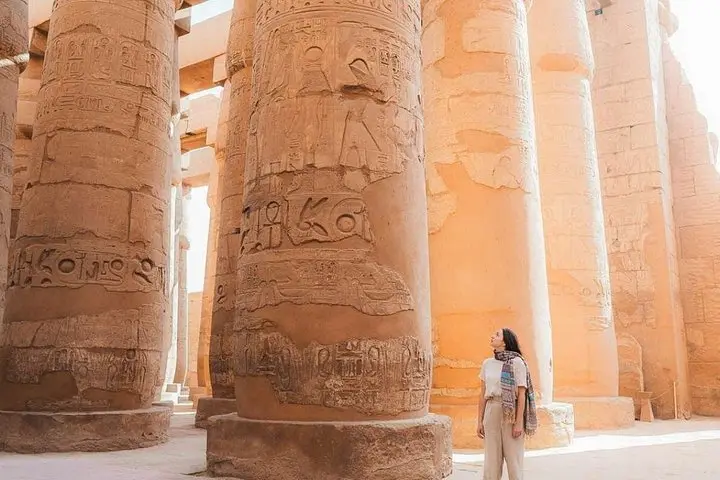
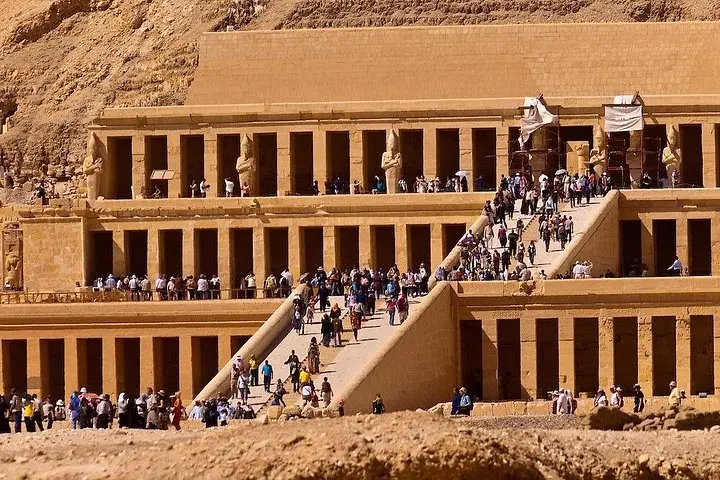
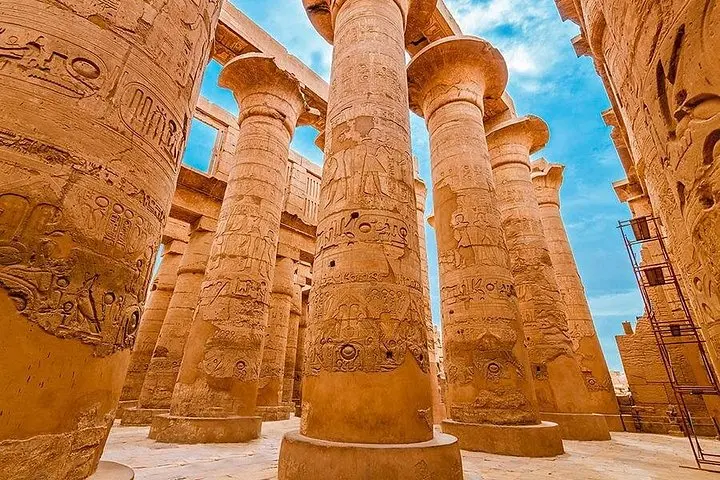
This two-day private excursion follows the arc of Thebes: New Kingdom temples, royal tombs, and royal mortuary architecture carved into limestone benches. Karnak's hypostyle hall reflects incremental power shifts across centuries; Luxor Temple holds festival routes and reliefs celebrating pharaohs. On day two, the Valley of the Kings opens its cool, narrow tomb passages; Hatshepsut's terraced temple rises from the desert like an engineered mirage, while the Colossi of Memnon stand as solitary guards.
Expect guided walks over paved temple forecourts, uneven tomb floors, and short desert transfers by air-conditioned vehicle. Cultural context is woven into each stop — local guides translate hieroglyphs into political and religious life, and bazaars offer a direct line to modern Luxor craft and cuisine.
Practical guidance: start early to avoid heat, carry sun protection and a refillable water bottle, and wear shoes with good traction for tomb ladders and stone thresholds. Bring local currency for market purchases and modest clothing for mosque-adjacent sites. The itinerary balances sightseeing with two restful meals and an included overnight in a 3-star hotel, making this a compact, manageable deep dive into ancient Egypt’s most concentrated archaeological zone.
Yes — this private tour includes guided visits to Karnak, Luxor Temple, the Valley of the Kings and Hatshepsut Temple as listed in the itinerary.
Pickup is from your Marsa Alam hotel; transportation is in an air-conditioned private vehicle suitable for the long transfer to Luxor and local site runs.
Expect moderate walking with some stairs and uneven floors inside tombs; the tour is rated suitable for most fitness levels but may be challenging for those with mobility issues.
Yes; tipping is customary in Egypt—small amounts for guides, drivers and hotel staff are appreciated; carry small notes of local currency.
Get Egypt Vacation operates guided outdoor trips and adventures with an emphasis on safety, stewardship, and memorable experiences.
The bus eases out of Marsa Alam before dawn and the desert light sharpens into gold as the road points north toward Luxor. By midmorning you arrive under towering stone avenues — columns and statues that stop you in place. The Karnak pylons loom; the Nile thread cuts the floodplain and dares you to cross it for a closer look at Luxor's living past.
The bus eases out of Marsa Alam before dawn and the desert light sharpens into gold as the road points north toward Luxor. By midmorning you arrive under towering stone avenues — columns and statues that stop you in place. The Karnak pylons loom; the Nile thread cuts the floodplain and dares you to cross it for a closer look at Luxor's living past.
This two-day private excursion follows the arc of Thebes: New Kingdom temples, royal tombs, and royal mortuary architecture carved into limestone benches. Karnak's hypostyle hall reflects incremental power shifts across centuries; Luxor Temple holds festival routes and reliefs celebrating pharaohs. On day two, the Valley of the Kings opens its cool, narrow tomb passages; Hatshepsut's terraced temple rises from the desert like an engineered mirage, while the Colossi of Memnon stand as solitary guards.
Expect guided walks over paved temple forecourts, uneven tomb floors, and short desert transfers by air-conditioned vehicle. Cultural context is woven into each stop — local guides translate hieroglyphs into political and religious life, and bazaars offer a direct line to modern Luxor craft and cuisine.
Practical guidance: start early to avoid heat, carry sun protection and a refillable water bottle, and wear shoes with good traction for tomb ladders and stone thresholds. Bring local currency for market purchases and modest clothing for mosque-adjacent sites. The itinerary balances sightseeing with two restful meals and an included overnight in a 3-star hotel, making this a compact, manageable deep dive into ancient Egypt’s most concentrated archaeological zone.