THE ADVENTURE COLLECTIVE® · Independent discovery and booking for outdoor travel

Drive from Cusco through the Sacred Valley to the hydroelectric route, spend a night in Aguas Calientes, and explore Machu Picchu with an expert guide. This two-day option balances road travel with a focused archaeological visit and hands-on local culture.
Drive from Cusco through the Sacred Valley to the hydroelectric route, spend a night in Aguas Calientes, and explore Machu Picchu with an expert guide. This two-day option balances road travel with a focused archaeological visit and hands-on local culture.
You lift off from a high, thin morning in Cusco and set out along winding Andean roads; mountain ridges give way to humid green slopes until the railway cut and hydroelectric tracks appear, daring you to keep moving forward.
Verified experiences and guided adventures in the surrounding area.
Operated by Machu Picchu Holiday Tours · Aguas Calientes, Cusco
You lift off from a high, thin morning in Cusco and set out along winding Andean roads; mountain ridges give way to humid green slopes until the railway cut and hydroelectric tracks appear, daring you to keep moving forward.
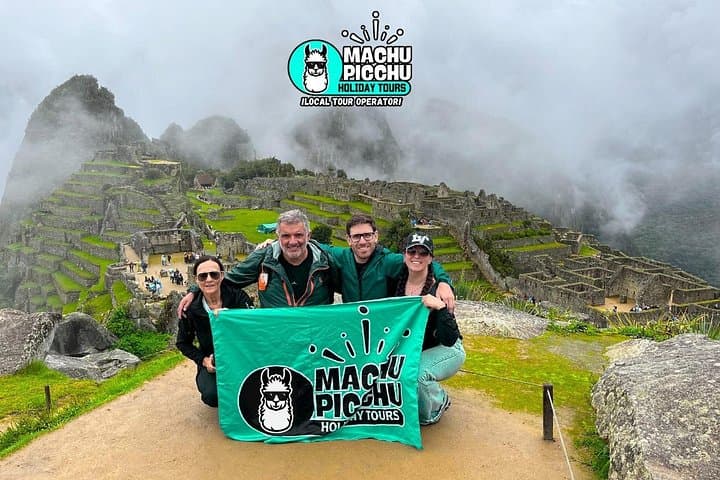
This two-day itinerary follows a classic lowland approach: a 6-hour drive through the Sacred Valley, a lunch stop at Santa Teresa (famous for hot springs), then onward to the hydroelectric plant and a riverside walk into Aguas Calientes. The second day is reserved for a guided visit to the archaeological wonder itself—Machu Picchu—where terraces cling to steep volcanic rock and the Urubamba River carves the canyon below.
Machu Picchu was built by the Inca in the 15th century and rediscovered in 1911, its stonework revealing both precise engineering and sacred geometry. Geologically the site sits on eroded volcanic and metamorphic bedrock, which produced dramatic ridgelines and steep valleys that shaped Inca construction. Local culture is still visible in market stalls and Quechua-speaking guides who share origin stories and agrarian traditions.
Practical details: total road travel is roughly 250 km, altitude drops from about 3,400 m in Cusco to 1,550 m at Santa Teresa; plan for moderate exertion. Your package includes one night in Aguas Calientes, meals, transport, and a guided two-hour Machu Picchu tour. Options: take the bus up to the citadel (~$24 round trip) or walk ~2 hours uphill. Bring layered rain protection, hydrate to manage altitude shifts, and allow extra time for the hydroelectric-to-Aguas Calientes rail/walk section if rain has altered tracks.
Expect about 6 hours of driving through the Sacred Valley with stops; total road distance is roughly 250 km depending on exact route and traffic.
Yes—entrance tickets are managed and limited; the tour includes your ticket, but ensure your booking confirms the date and time of entry.
The path is mostly flat but can be muddy and rocky; allow 2–3 hours, wear good shoes and bring water—motorized alternatives are limited.
You descend from ~3,400 m to ~1,550 m, which eases acute altitude symptoms, but if you arrive directly to Cusco expect potential effects—acclimatize beforehand.
Machu Picchu Holiday Tours operates guided outdoor trips and adventures with an emphasis on safety, stewardship, and memorable experiences.
You lift off from a high, thin morning in Cusco and set out along winding Andean roads; mountain ridges give way to humid green slopes until the railway cut and hydroelectric tracks appear, daring you to keep moving forward.
You lift off from a high, thin morning in Cusco and set out along winding Andean roads; mountain ridges give way to humid green slopes until the railway cut and hydroelectric tracks appear, daring you to keep moving forward.
This two-day itinerary follows a classic lowland approach: a 6-hour drive through the Sacred Valley, a lunch stop at Santa Teresa (famous for hot springs), then onward to the hydroelectric plant and a riverside walk into Aguas Calientes. The second day is reserved for a guided visit to the archaeological wonder itself—Machu Picchu—where terraces cling to steep volcanic rock and the Urubamba River carves the canyon below.
Machu Picchu was built by the Inca in the 15th century and rediscovered in 1911, its stonework revealing both precise engineering and sacred geometry. Geologically the site sits on eroded volcanic and metamorphic bedrock, which produced dramatic ridgelines and steep valleys that shaped Inca construction. Local culture is still visible in market stalls and Quechua-speaking guides who share origin stories and agrarian traditions.
Practical details: total road travel is roughly 250 km, altitude drops from about 3,400 m in Cusco to 1,550 m at Santa Teresa; plan for moderate exertion. Your package includes one night in Aguas Calientes, meals, transport, and a guided two-hour Machu Picchu tour. Options: take the bus up to the citadel (~$24 round trip) or walk ~2 hours uphill. Bring layered rain protection, hydrate to manage altitude shifts, and allow extra time for the hydroelectric-to-Aguas Calientes rail/walk section if rain has altered tracks.