THE ADVENTURE COLLECTIVE® · Independent discovery and booking for outdoor travel

A compact 48-hour journey from Cusco through the Sacred Valley to Machupicchu, combining terraces, salt pans and a guided tour of the Inca citadel. Ideal for travelers who want a focused, well-paced introduction to the region with practical logistics covered.
A compact 48-hour journey from Cusco through the Sacred Valley to Machupicchu, combining terraces, salt pans and a guided tour of the Inca citadel. Ideal for travelers who want a focused, well-paced introduction to the region with practical logistics covered.
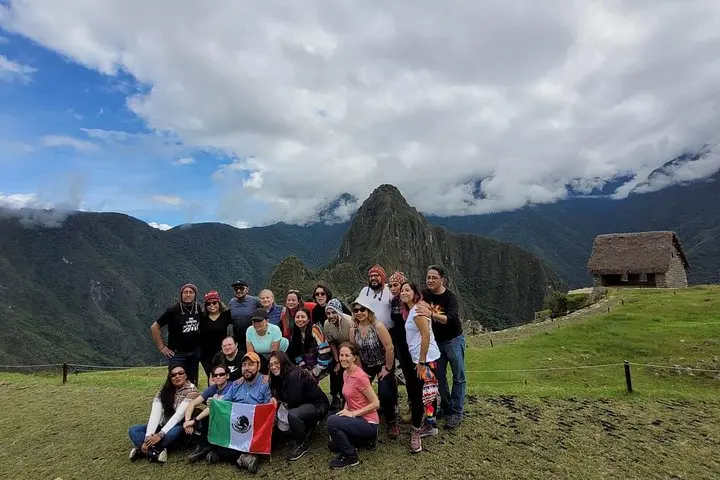
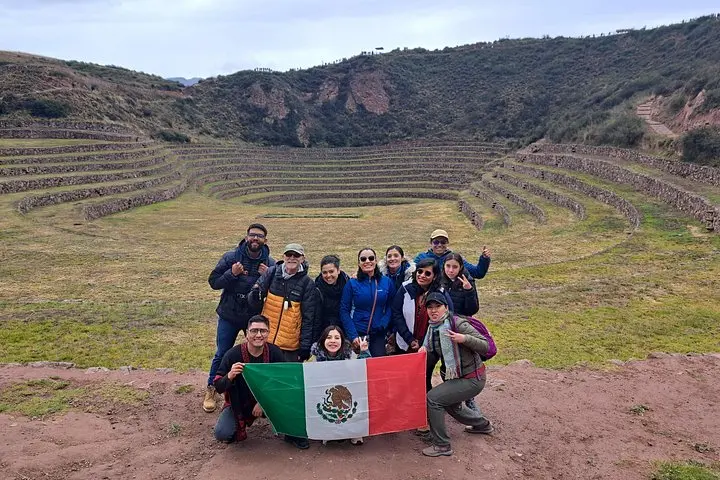
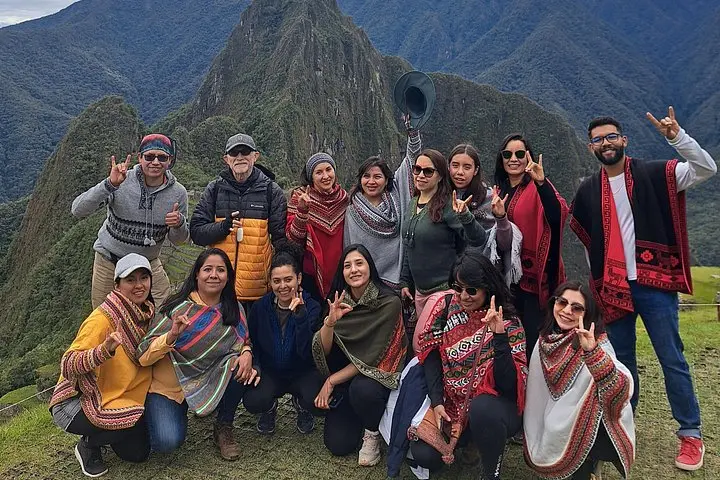
You arrive in Cusco before dawn and the city's high-altitude air nudges your lungs awake. By midmorning you’re already descending into the Sacred Valley—stone terraces pass like a slow-moving fresco—then the train hums through razor-edged ravines toward Aguas Calientes. By the time the shuttle climbs toward Machupicchu your heartbeat matches the switchbacks; the mountain seems to invite you up the ancient stairways.
Verified experiences and guided adventures in the surrounding area.
Operated by Travel On Green · Aguas Calientes, Cusco Region
You arrive in Cusco before dawn and the city's high-altitude air nudges your lungs awake. By midmorning you’re already descending into the Sacred Valley—stone terraces pass like a slow-moving fresco—then the train hums through razor-edged ravines toward Aguas Calientes. By the time the shuttle climbs toward Machupicchu your heartbeat matches the switchbacks; the mountain seems to invite you up the ancient stairways.
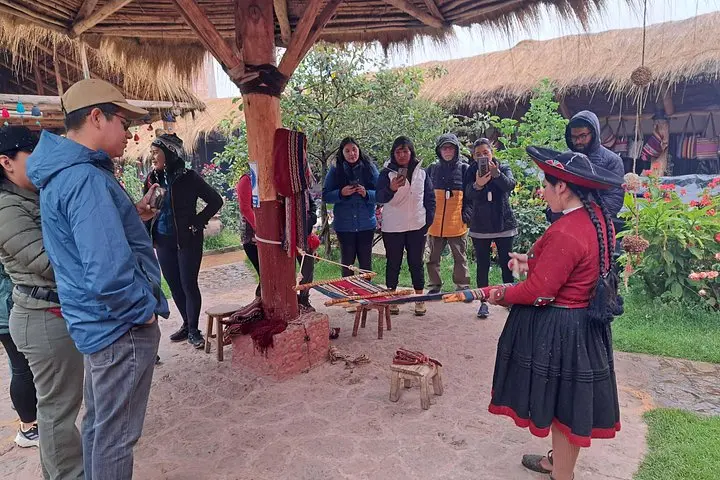
Machu Picchu sits on a granite spine carved by glacial pressure and river erosion, a 15th-century Inca citadel that was both ceremonial center and agricultural laboratory. The valley’s salt pans, terraces and textile workshops you’ll visit speak to a continuous Andean culture: potato domestication, alpaca weaving and water engineering still practiced today.
Expect steep stone steps, narrow causeways and a cloud forest that breathes moisture and hummingbirds. The standard 3-hour guided visit highlights the main plaza, temple sectors, the House of the Guardian and the Temple of the Condor; additional walks to the Sun Gate or Inca Bridge add time and elevation.
Practical notes: acclimatize in Cusco (3,400 m) for at least a day, carry your original passport for entry, and book trains and permits in advance—tickets sell out in high season. Pace yourself on the stairs, bring a lightweight rain shell and extra water, and plan the return train schedule so you don’t miss your transfer back to Cusco. The route rewards early mornings with thinner crowds and dramatic light on the stonework.
Yes—spend at least one full day in Cusco to adjust to altitude; hydrate, limit alcohol and avoid strenuous hikes on arrival day.
This itinerary includes roundtrip train segments and the shuttle between Aguas Calientes and Machupicchu, but confirm seating class and exact departure times when booking.
The standard tour included is about 3 hours covering the main sectors; optional extra hikes (Sun Gate, Wayna Picchu) require additional permits and time.
The tour is marketed as suitable for all fitness levels, but you should be comfortable walking stairs and short steep sections—consider mobility limitations before booking.
Travel On Green operates guided outdoor trips and adventures with an emphasis on safety, stewardship, and memorable experiences.
You arrive in Cusco before dawn and the city's high-altitude air nudges your lungs awake. By midmorning you’re already descending into the Sacred Valley—stone terraces pass like a slow-moving fresco—then the train hums through razor-edged ravines toward Aguas Calientes. By the time the shuttle climbs toward Machupicchu your heartbeat matches the switchbacks; the mountain seems to invite you up the ancient stairways.
You arrive in Cusco before dawn and the city's high-altitude air nudges your lungs awake. By midmorning you’re already descending into the Sacred Valley—stone terraces pass like a slow-moving fresco—then the train hums through razor-edged ravines toward Aguas Calientes. By the time the shuttle climbs toward Machupicchu your heartbeat matches the switchbacks; the mountain seems to invite you up the ancient stairways.
Machu Picchu sits on a granite spine carved by glacial pressure and river erosion, a 15th-century Inca citadel that was both ceremonial center and agricultural laboratory. The valley’s salt pans, terraces and textile workshops you’ll visit speak to a continuous Andean culture: potato domestication, alpaca weaving and water engineering still practiced today.
Expect steep stone steps, narrow causeways and a cloud forest that breathes moisture and hummingbirds. The standard 3-hour guided visit highlights the main plaza, temple sectors, the House of the Guardian and the Temple of the Condor; additional walks to the Sun Gate or Inca Bridge add time and elevation.
Practical notes: acclimatize in Cusco (3,400 m) for at least a day, carry your original passport for entry, and book trains and permits in advance—tickets sell out in high season. Pace yourself on the stairs, bring a lightweight rain shell and extra water, and plan the return train schedule so you don’t miss your transfer back to Cusco. The route rewards early mornings with thinner crowds and dramatic light on the stonework.