THE ADVENTURE COLLECTIVE® · Independent discovery and booking for outdoor travel

Drive the High Atlas, sleep beside a centuries-old kasbah, and return to Marrakech with hands-on culture and cinematic landscapes. This two-day private tour pairs mountain passes with an overnight riad and time to explore Ait Benhaddou’s mud-brick alleys.
Drive the High Atlas, sleep beside a centuries-old kasbah, and return to Marrakech with hands-on culture and cinematic landscapes. This two-day private tour pairs mountain passes with an overnight riad and time to explore Ait Benhaddou’s mud-brick alleys.
The road leaves Marrakech before sunrise and climbs into the High Atlas, a ribbon of asphalt threading past shepherd hamlets and terraces carved into stone. By midmorning the air thins at Tizi n’Tichka and the mountains push their ochre slopes toward the sky, daring you to look away. Arrival at Ait Benhaddou feels cinematic: compact kasbahs rise from the valley floor in sun-softened clay, alleys narrowing into slits of shadow and light.
Verified experiences and guided adventures in the surrounding area.
Operated by Morocco Marvel · Ait Benhaddou, Drâa-Tafilalet
The road leaves Marrakech before sunrise and climbs into the High Atlas, a ribbon of asphalt threading past shepherd hamlets and terraces carved into stone. By midmorning the air thins at Tizi n’Tichka and the mountains push their ochre slopes toward the sky, daring you to look away. Arrival at Ait Benhaddou feels cinematic: compact kasbahs rise from the valley floor in sun-softened clay, alleys narrowing into slits of shadow and light.
Ait Benhaddou is a UNESCO World Heritage site that grew from caravan routes linking Sahara salt caravans with northern markets. The earthen architecture—rammed earth and mud-brick—reflects local geology and centuries of Berber craft; its walls absorbed the hands of traders, film crews, and generations of residents. Nearby Ouarzazate, with its film studios, underscores the area’s modern cultural role while the Atlas Mountains record tectonic forces in folded strata and red gullies.
Practically, the tour balances drive time with walking: expect several hours on paved mountain roads and an afternoon of uneven steps and compacted earth inside the ksar. Overnight is typically in a restored riad or modest hotel where dinners highlight tagine, couscous, and mint tea. Bring sun protection, a sturdy pair of shoes for cobbled alleys, and a small daypack for water and camera gear.
Timing matters—mornings and late afternoons are best for photography and cooler air; midday can be strong, especially in summer. Guides handle logistics and local introductions, leaving travelers to absorb the place: the wind through narrow streets, the creak of wooden doors, and a sky that turns the kasbah’s clay from gold to rust as light shifts.
A guide isn’t legally required to walk through the ksar, but a guided tour provides historical context, safer navigation of narrow alleys, and logistics for transport and accommodation.
Expect about 3.5–4 hours each way, depending on stops; the route crosses the Tizi n’Tichka pass and includes mountain driving with switchbacks.
Some riads and modern transport are accessible, but the ksar’s steep, narrow alleys and uneven mud-brick surfaces limit full wheelchair access—plan accordingly.
Tipping is customary; a modest daily tip for guides (approx. 50–150 MAD) and drivers (20–50 MAD) is appreciated and supports local services.
Morocco Marvel operates guided outdoor trips and adventures with an emphasis on safety, stewardship, and memorable experiences.
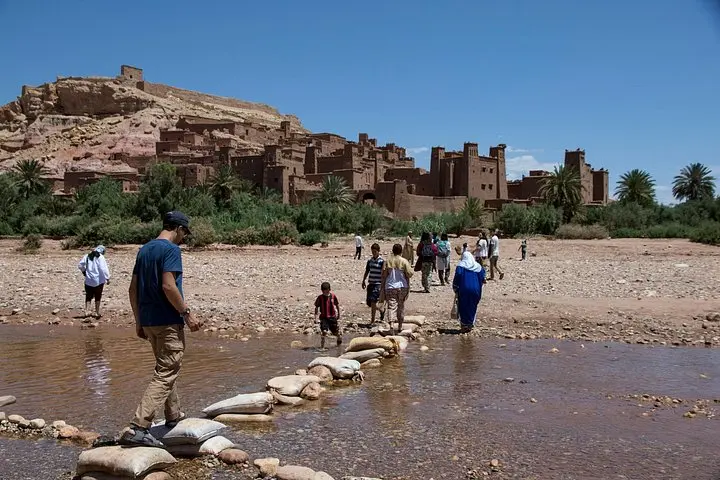
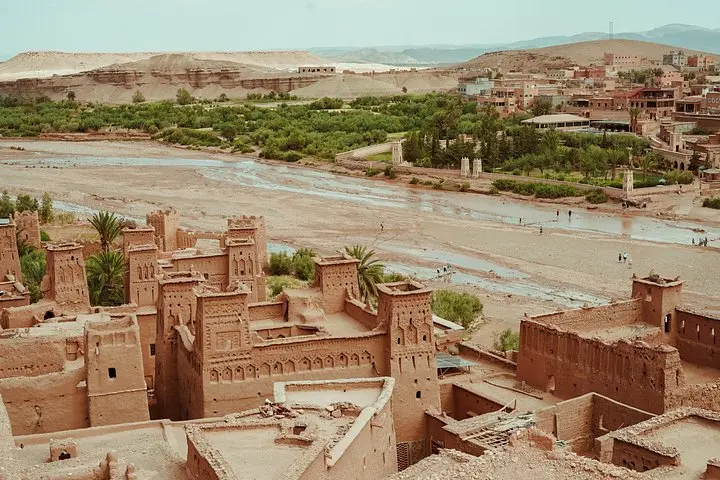
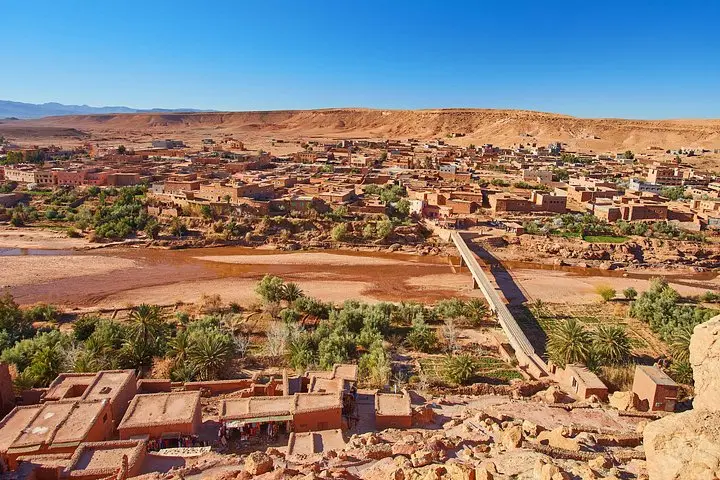
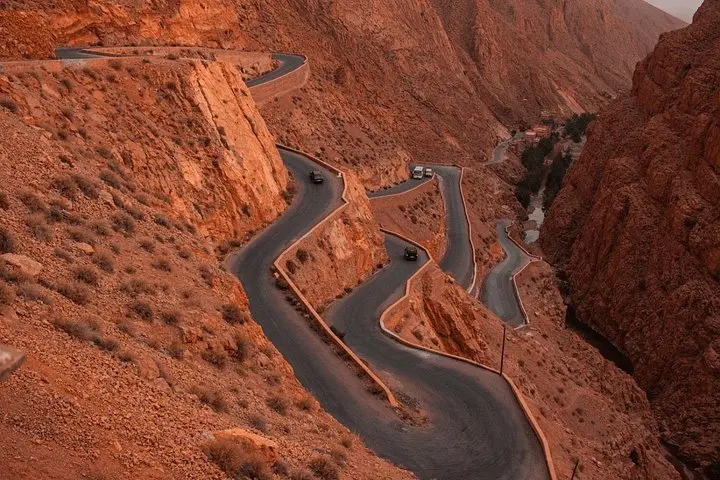
The road leaves Marrakech before sunrise and climbs into the High Atlas, a ribbon of asphalt threading past shepherd hamlets and terraces carved into stone. By midmorning the air thins at Tizi n’Tichka and the mountains push their ochre slopes toward the sky, daring you to look away. Arrival at Ait Benhaddou feels cinematic: compact kasbahs rise from the valley floor in sun-softened clay, alleys narrowing into slits of shadow and light.
The road leaves Marrakech before sunrise and climbs into the High Atlas, a ribbon of asphalt threading past shepherd hamlets and terraces carved into stone. By midmorning the air thins at Tizi n’Tichka and the mountains push their ochre slopes toward the sky, daring you to look away. Arrival at Ait Benhaddou feels cinematic: compact kasbahs rise from the valley floor in sun-softened clay, alleys narrowing into slits of shadow and light.
Ait Benhaddou is a UNESCO World Heritage site that grew from caravan routes linking Sahara salt caravans with northern markets. The earthen architecture—rammed earth and mud-brick—reflects local geology and centuries of Berber craft; its walls absorbed the hands of traders, film crews, and generations of residents. Nearby Ouarzazate, with its film studios, underscores the area’s modern cultural role while the Atlas Mountains record tectonic forces in folded strata and red gullies.
Practically, the tour balances drive time with walking: expect several hours on paved mountain roads and an afternoon of uneven steps and compacted earth inside the ksar. Overnight is typically in a restored riad or modest hotel where dinners highlight tagine, couscous, and mint tea. Bring sun protection, a sturdy pair of shoes for cobbled alleys, and a small daypack for water and camera gear.
Timing matters—mornings and late afternoons are best for photography and cooler air; midday can be strong, especially in summer. Guides handle logistics and local introductions, leaving travelers to absorb the place: the wind through narrow streets, the creak of wooden doors, and a sky that turns the kasbah’s clay from gold to rust as light shifts.