THE ADVENTURE COLLECTIVE® · Independent discovery and booking for outdoor travel

Spend two days in the Masai Mara with guided morning and afternoon game drives, overnight camp accommodation, and an optional Maasai village visit. This road-based safari from Nairobi offers close encounters with the Big Five and, in season, dramatic river crossings.
Spend two days in the Masai Mara with guided morning and afternoon game drives, overnight camp accommodation, and an optional Maasai village visit. This road-based safari from Nairobi offers close encounters with the Big Five and, in season, dramatic river crossings.
You bump off the Nairobi tarmac before dawn, the road rolling out into wide, low hills that give way to grass so far it seems to touch the horizon. By mid-afternoon the Masai Mara opens: acacia silhouettes, a ribbon of river, and herds dotting the plains like punctuation. A late-day game drive stretches light across the grasses and the air cools enough for photography and quietly held breath.
Verified experiences and guided adventures in the surrounding area.
Operated by Shagami Kenya Tours and Safaris · Narok, Narok County
You bump off the Nairobi tarmac before dawn, the road rolling out into wide, low hills that give way to grass so far it seems to touch the horizon. By mid-afternoon the Masai Mara opens: acacia silhouettes, a ribbon of river, and herds dotting the plains like punctuation. A late-day game drive stretches light across the grasses and the air cools enough for photography and quietly held breath.
Geologically the Mara sits at the edge of the East African Rift; volcanic soils and seasonal rivers feed productive savanna that supports dense populations of grazers and their predators. Culturally the reserve shares deep ties with the Masai people—optional village visits offer a look at traditional song, dress, and pastoral life that remains closely linked to livestock and land.
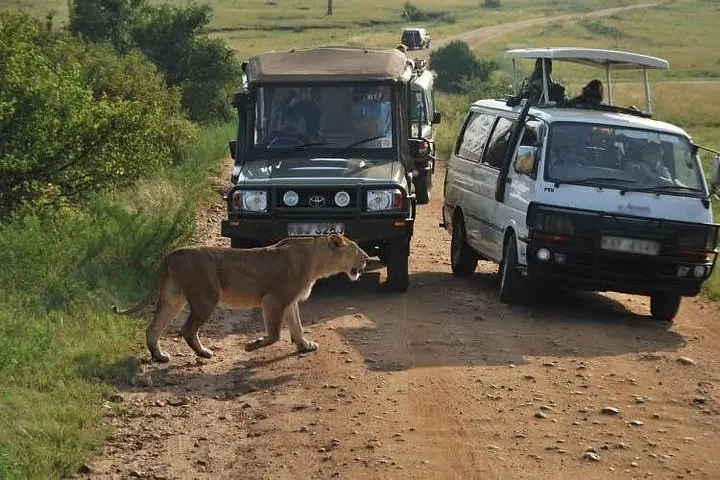
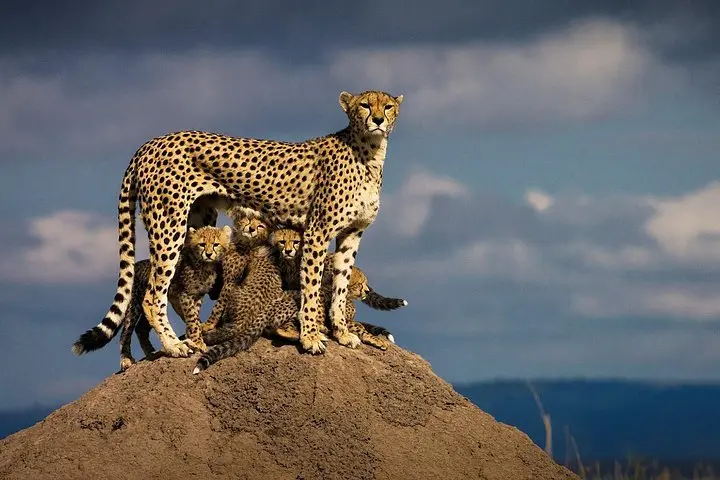
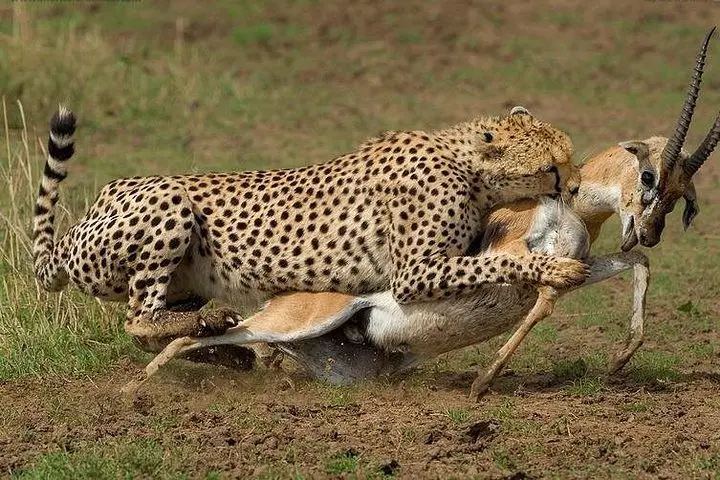
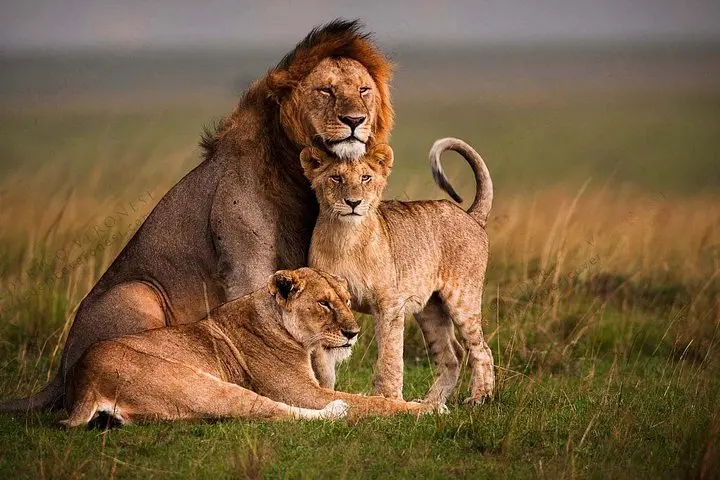
Expect two days paced around game drives: long morning and afternoon sorties with a midday break at your camp. Wildlife highlights include elephants, buffalo, lions, leopards, cheetahs, hyenas, plus the Mara River crossings during the July–October migration window. Elevation averages about 1,500 m and daytime temperatures range broadly, so layered clothing is sensible.
Practical guidance: the road transfer from Nairobi is roughly 250–280 km and 4.5–6 hours each way depending on traffic and route; internally you’ll use 4x4 safari vehicles. Bring binoculars, a sun hat, reusable water bottle, and modest cash for tips and optional village purchases. Respect wildlife distances, follow guide instructions, and pack out plastic where possible—these simple choices keep the Mara healthy for future visits.
Road transfer is typically 4.5–6 hours (about 250–280 km) depending on route and traffic; some operators offer charter flights to save time.
Peak river crossing activity usually occurs between July and October, though exact timing varies year to year with rains.
Yes—this itinerary includes one night’s accommodation (camp or similar) with meals as listed in the booking inclusions.
The tour is family-friendly, but infants must sit on an adult’s lap during transfer; consult the operator for specific child policies and safety fittings.
Shagami Kenya Tours and Safaris operates guided outdoor trips and adventures with an emphasis on safety, stewardship, and memorable experiences.
You bump off the Nairobi tarmac before dawn, the road rolling out into wide, low hills that give way to grass so far it seems to touch the horizon. By mid-afternoon the Masai Mara opens: acacia silhouettes, a ribbon of river, and herds dotting the plains like punctuation. A late-day game drive stretches light across the grasses and the air cools enough for photography and quietly held breath.
You bump off the Nairobi tarmac before dawn, the road rolling out into wide, low hills that give way to grass so far it seems to touch the horizon. By mid-afternoon the Masai Mara opens: acacia silhouettes, a ribbon of river, and herds dotting the plains like punctuation. A late-day game drive stretches light across the grasses and the air cools enough for photography and quietly held breath.
Geologically the Mara sits at the edge of the East African Rift; volcanic soils and seasonal rivers feed productive savanna that supports dense populations of grazers and their predators. Culturally the reserve shares deep ties with the Masai people—optional village visits offer a look at traditional song, dress, and pastoral life that remains closely linked to livestock and land.
Expect two days paced around game drives: long morning and afternoon sorties with a midday break at your camp. Wildlife highlights include elephants, buffalo, lions, leopards, cheetahs, hyenas, plus the Mara River crossings during the July–October migration window. Elevation averages about 1,500 m and daytime temperatures range broadly, so layered clothing is sensible.
Practical guidance: the road transfer from Nairobi is roughly 250–280 km and 4.5–6 hours each way depending on traffic and route; internally you’ll use 4x4 safari vehicles. Bring binoculars, a sun hat, reusable water bottle, and modest cash for tips and optional village purchases. Respect wildlife distances, follow guide instructions, and pack out plastic where possible—these simple choices keep the Mara healthy for future visits.