THE ADVENTURE COLLECTIVE® · Independent discovery and booking for outdoor travel

Spend two days riding riverbanks, paddling quiet channels, and staying with a local family in the Mekong Delta. This immersive trip focuses on genuine village life—no tourist shops, just markets, homestays, and morning boats to Cai Rang.
Spend two days riding riverbanks, paddling quiet channels, and staying with a local family in the Mekong Delta. This immersive trip focuses on genuine village life—no tourist shops, just markets, homestays, and morning boats to Cai Rang.
You push off a small boat at dawn and the Mekong greets you with a soft, tobacco-coloured current that seems intent on carrying you deeper into village life. Narrow canals thread between raised houses and rice paddies; when you shoulder a bicycle the path narrows to packed earth underfoot, and the river’s breath follows you.
Verified experiences and guided adventures in the surrounding area.
Operated by Countryside Adventures · Can Tho City, Can Tho
You push off a small boat at dawn and the Mekong greets you with a soft, tobacco-coloured current that seems intent on carrying you deeper into village life. Narrow canals thread between raised houses and rice paddies; when you shoulder a bicycle the path narrows to packed earth underfoot, and the river’s breath follows you.
Geology here is recent—river-borne alluvium spread across a low-lying delta—so the terrain is flat with negligible elevation gain (expect under 50 m cumulatively). The human history is dense: Chinese and Khmer influences, colonial river trade, and generations of market commerce that crystallize at Cai Rang floating market each morning.
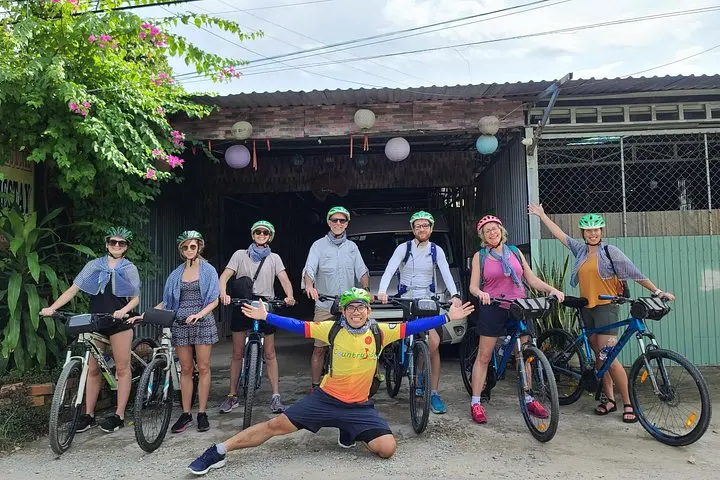
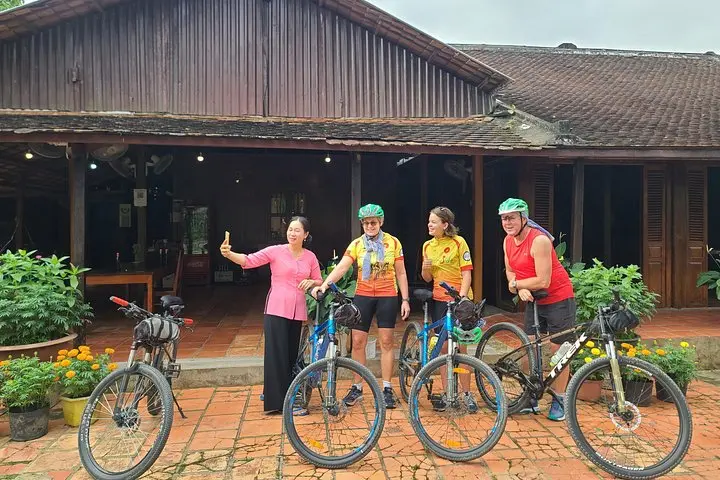
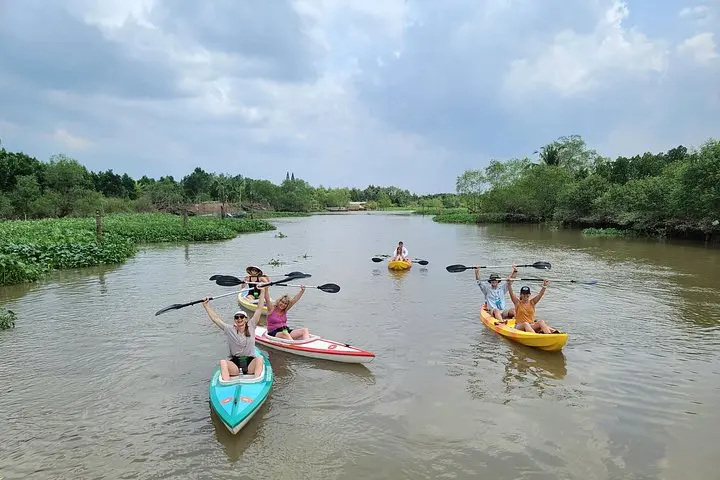
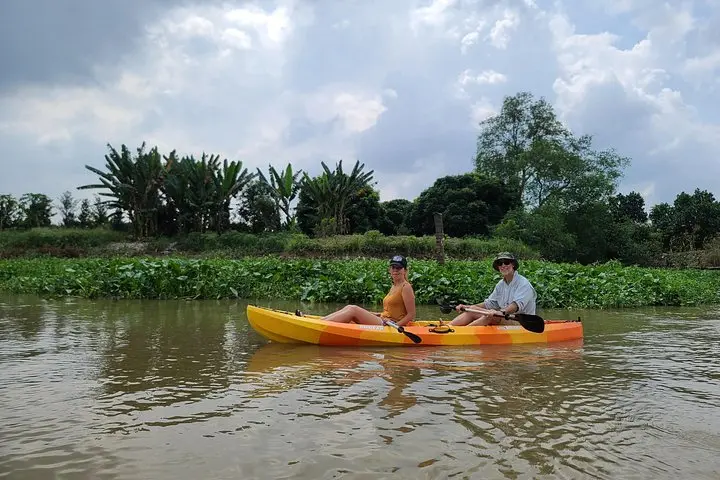
Culture is hands-on: family-run homestays, market vendors calling out produce, and boatmen who know every branch and tidal seam. You’ll cycle roughly 10–20 km along riverbanks and village lanes on day one, then kayak 2–3 hours through braided channels on small, slow-moving waters—distances depend on tides and local routing. Day two’s pre-dawn boat run to Cai Rang places you amid trading boats and breakfast coffee served from floating stalls.
Practicalities: travel starts in Ho Chi Minh City with a 2-hour transfer; bring a light waterproof layer for splash and sudden downpours, and time activities around tides—guides will adjust the schedule. Footwear: closed-toe shoes for cycling and sandals for boat/kayak transitions. Hydrate often; sunscreen and insect repellent are essential. Expect genuine village interaction, simple homestay accommodations (twin/double), and no forced shopping—this is an immersion of pace, not a checklist.
Cycling is moderate—routes are mostly flat dirt or paved rural lanes, 10–20 km total; a basic level of bike handling on narrow paths is helpful.
No formal experience required; guides provide instruction and routes stick to calm, slow-moving channels suited to beginners.
Homestays are family-run with simple, clean rooms (twin/double sharing); expect shared bathrooms and home-cooked Mekong meals.
Yes—local guides routinely shift cycling and kayaking times around tides and rain for safety and a better experience.
Countryside Adventures operates guided outdoor trips and adventures with an emphasis on safety, stewardship, and memorable experiences.
You push off a small boat at dawn and the Mekong greets you with a soft, tobacco-coloured current that seems intent on carrying you deeper into village life. Narrow canals thread between raised houses and rice paddies; when you shoulder a bicycle the path narrows to packed earth underfoot, and the river’s breath follows you.
You push off a small boat at dawn and the Mekong greets you with a soft, tobacco-coloured current that seems intent on carrying you deeper into village life. Narrow canals thread between raised houses and rice paddies; when you shoulder a bicycle the path narrows to packed earth underfoot, and the river’s breath follows you.
Geology here is recent—river-borne alluvium spread across a low-lying delta—so the terrain is flat with negligible elevation gain (expect under 50 m cumulatively). The human history is dense: Chinese and Khmer influences, colonial river trade, and generations of market commerce that crystallize at Cai Rang floating market each morning.
Culture is hands-on: family-run homestays, market vendors calling out produce, and boatmen who know every branch and tidal seam. You’ll cycle roughly 10–20 km along riverbanks and village lanes on day one, then kayak 2–3 hours through braided channels on small, slow-moving waters—distances depend on tides and local routing. Day two’s pre-dawn boat run to Cai Rang places you amid trading boats and breakfast coffee served from floating stalls.
Practicalities: travel starts in Ho Chi Minh City with a 2-hour transfer; bring a light waterproof layer for splash and sudden downpours, and time activities around tides—guides will adjust the schedule. Footwear: closed-toe shoes for cycling and sandals for boat/kayak transitions. Hydrate often; sunscreen and insect repellent are essential. Expect genuine village interaction, simple homestay accommodations (twin/double), and no forced shopping—this is an immersion of pace, not a checklist.