THE ADVENTURE COLLECTIVE® · Independent discovery and booking for outdoor travel

A compact two-day journey from Fez to the Erg Chebbi dunes delivers an overnight in a traditional Berber jaima, a camel trek at sunset, and immersive desert nights. Expect long road transfers, vivid golden light, and authentic local hospitality.
A compact two-day journey from Fez to the Erg Chebbi dunes delivers an overnight in a traditional Berber jaima, a camel trek at sunset, and immersive desert nights. Expect long road transfers, vivid golden light, and authentic local hospitality.
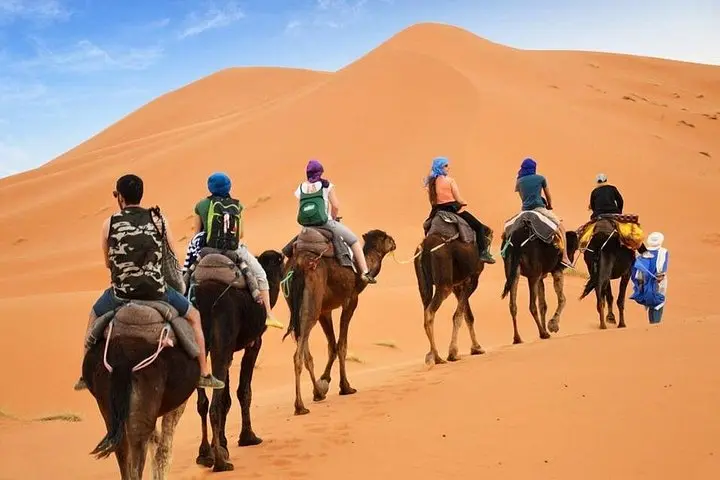
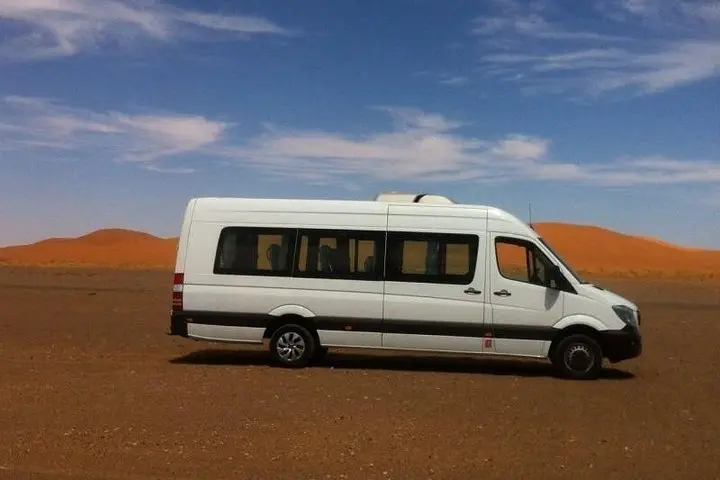
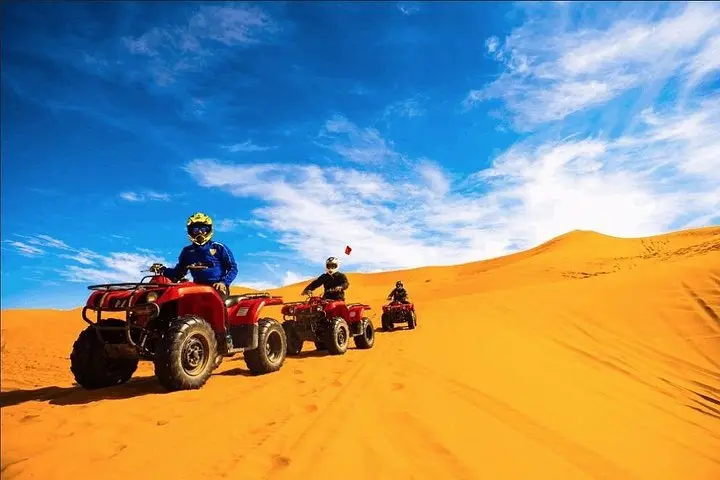
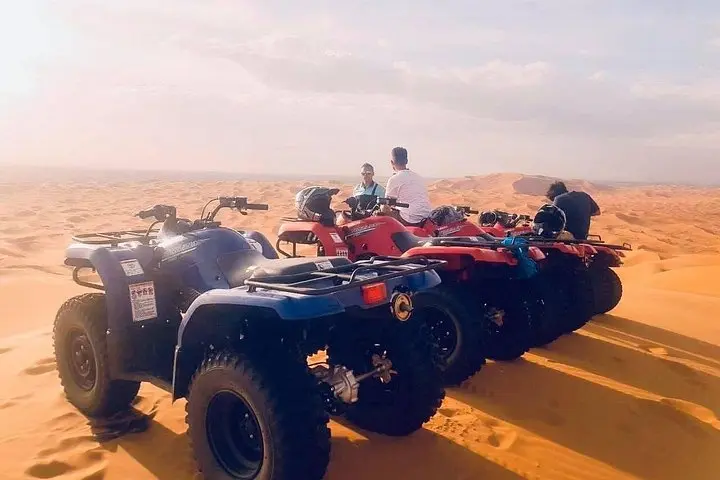
They leave Fez before dawn and the road unfurls: cedar forests, a ribbon of Atlas passes, and the Ziz Valley’s palm fingers sliding past the windows. By late afternoon the dunes of Erg Chebbi rise like a low, breathing wall of sand; the light is raw and arid, pushing colors to their edges. Guests swap the vehicle for camels and follow a slow, swaying line into an open camp of jaimas under a sky that feels unusually near.
Verified experiences and guided adventures in the surrounding area.
Operated by Marruecos desierto · Merzouga, Drâa-Tafilalet
They leave Fez before dawn and the road unfurls: cedar forests, a ribbon of Atlas passes, and the Ziz Valley’s palm fingers sliding past the windows. By late afternoon the dunes of Erg Chebbi rise like a low, breathing wall of sand; the light is raw and arid, pushing colors to their edges. Guests swap the vehicle for camels and follow a slow, swaying line into an open camp of jaimas under a sky that feels unusually near.
The route threads historical layers — Berber hamlets, caravan routes that once linked Saharan oases, and towns like Azrou where Barbary macaques patrol cedar groves. Geologically, Erg Chebbi is wind-sculpted sand: ever-shifting ridges created from ancient eroded rock and transported by the Harmattan and seasonal winds.
Local culture is immediate: Berber hosts, evening gnawa rhythms, and simple meals served beside the dunes. The camp experience is minimalist but intentional — sleep on mattresses in haimas, warm tea, and the desert’s wide silence.
Practical notes: this is a two-day, mostly driving tour with a short camel trek to/from camp and one night in traditional jaimas. Expect long transfers (roughly 8–10 hours round-trip depending on stops), strong daytime sun, and cool nights. Bring layers, sun protection, and a refillable water bottle. Photography is excellent at sunrise and sunset; plan camel transfers around those windows. If you’re sensitive to motion on camels or require private arrangements, check booking details in advance.
Yes — the itinerary includes a camel trek from the vehicle to the desert camp and back, typically timed for sunset or sunrise.
Overnight stays are in traditional Berber jaimas (tents) with mattresses; facilities are basic and styled for an authentic desert experience.
Children can join; the operator notes infants must sit on laps for transport and infant seats are sometimes available — confirm age limits when booking.
Expect long transfers: roughly 7–10 hours each way depending on stops (Ifrane, Azrou, Ziz Valley) and road conditions.
Marruecos desierto operates guided outdoor trips and adventures with an emphasis on safety, stewardship, and memorable experiences.
They leave Fez before dawn and the road unfurls: cedar forests, a ribbon of Atlas passes, and the Ziz Valley’s palm fingers sliding past the windows. By late afternoon the dunes of Erg Chebbi rise like a low, breathing wall of sand; the light is raw and arid, pushing colors to their edges. Guests swap the vehicle for camels and follow a slow, swaying line into an open camp of jaimas under a sky that feels unusually near.
They leave Fez before dawn and the road unfurls: cedar forests, a ribbon of Atlas passes, and the Ziz Valley’s palm fingers sliding past the windows. By late afternoon the dunes of Erg Chebbi rise like a low, breathing wall of sand; the light is raw and arid, pushing colors to their edges. Guests swap the vehicle for camels and follow a slow, swaying line into an open camp of jaimas under a sky that feels unusually near.
The route threads historical layers — Berber hamlets, caravan routes that once linked Saharan oases, and towns like Azrou where Barbary macaques patrol cedar groves. Geologically, Erg Chebbi is wind-sculpted sand: ever-shifting ridges created from ancient eroded rock and transported by the Harmattan and seasonal winds.
Local culture is immediate: Berber hosts, evening gnawa rhythms, and simple meals served beside the dunes. The camp experience is minimalist but intentional — sleep on mattresses in haimas, warm tea, and the desert’s wide silence.
Practical notes: this is a two-day, mostly driving tour with a short camel trek to/from camp and one night in traditional jaimas. Expect long transfers (roughly 8–10 hours round-trip depending on stops), strong daytime sun, and cool nights. Bring layers, sun protection, and a refillable water bottle. Photography is excellent at sunrise and sunset; plan camel transfers around those windows. If you’re sensitive to motion on camels or require private arrangements, check booking details in advance.