THE ADVENTURE COLLECTIVE® · Independent discovery and booking for outdoor travel

Leave the port behind for 36–48 hours in Mikumi National Park, where afternoon and dawn game drives concentrate wildlife viewing across the Mkata Floodplain. This short overnight safari pairs accessible driving with close-up encounters—ideal for cruise travelers who want a deeper taste of Tanzania’s savanna.
Leave the port behind for 36–48 hours in Mikumi National Park, where afternoon and dawn game drives concentrate wildlife viewing across the Mkata Floodplain. This short overnight safari pairs accessible driving with close-up encounters—ideal for cruise travelers who want a deeper taste of Tanzania’s savanna.
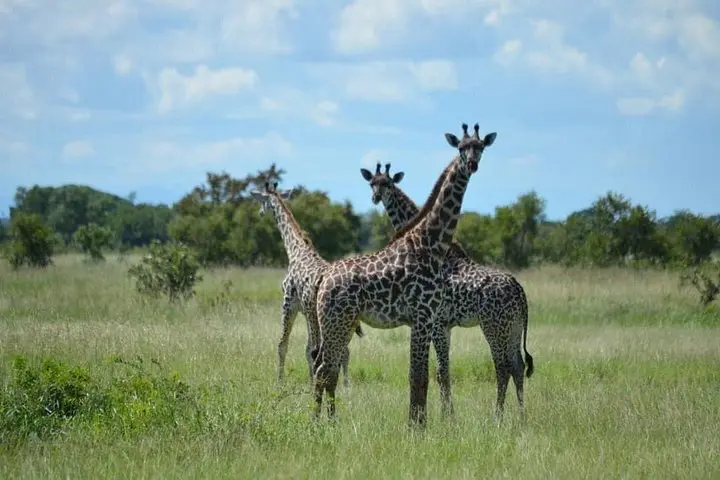
Dust from the coastal road lifts as your vehicle leaves Dar es Salaam behind and the landscape opens: low acacia trees, the broad sweep of the Mkata Floodplain, and a horizon where giraffes pick their way like punctuation marks. By late afternoon the park’s light changes—golden grasses lean into the wind and distant trunks silhouette against an enormous sky.
Verified experiences and guided adventures in the surrounding area.
Operated by Safaris Partners · Mikumi, Morogoro Region
Dust from the coastal road lifts as your vehicle leaves Dar es Salaam behind and the landscape opens: low acacia trees, the broad sweep of the Mkata Floodplain, and a horizon where giraffes pick their way like punctuation marks. By late afternoon the park’s light changes—golden grasses lean into the wind and distant trunks silhouette against an enormous sky.
Mikumi sits in Tanzania’s Morogoro region on the southern fringe of the Eastern Arc mountains, a transition zone where East African savanna meets scattered woodlands. The park grew in importance in the mid-20th century to protect seasonal grazing grounds and the wildlife corridors that link larger systems like Selous to the south.
Culture here is visible along the route: small villages, farmers, and roadside markets where cassava and plantain trade hands. Geologically, the flat Mkata basin funnels water during rains, creating temporary marshes that concentrate game and draw predators.
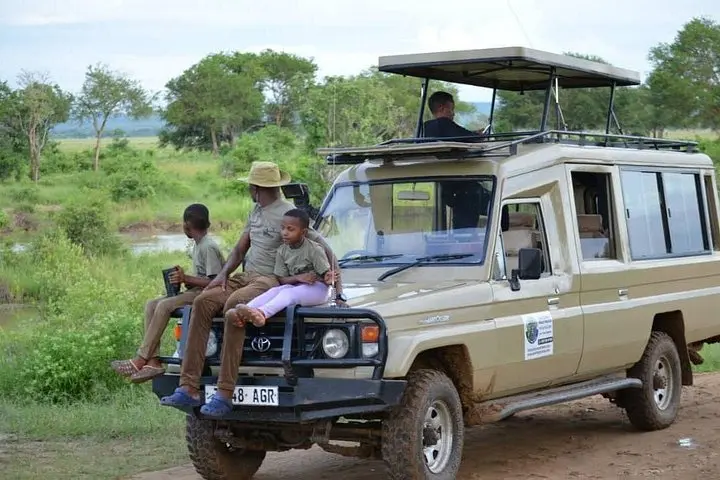
Practically, a two-day itinerary gives time for an afternoon drive on arrival and a dawn game drive the next morning—prime hours for predator and elephant activity. Expect dusty 4x4 tracks, long stretches between shade and modest bandas inside the park for an overnight, and a travel day back to Dar es Salaam.
Bring binoculars, sun protection, and a sense of patience: wildlife sightings hinge on slow observation and the right light. Guides read the land—tracks, waterholes, and migratory patterns—and will chase the story the savanna is telling on that day.
This escape trades cruise-ship pace for concentrated wildlife time, returning you to the port with more than photos: a clearer sense of the rhythms that govern Tanzania’s plains.
Expect roughly 6–7 hours by road depending on traffic and stops; the itinerary typically includes a midday arrival with an afternoon game drive.
This itinerary lists meals (lunch, dinner, breakfast) as included; park admission fees are commonly included in organized safari packages—confirm at booking.
The tour notes infant seats are available and that it’s suitable for all fitness levels; however, long vehicle time and wildlife unpredictability mean parents should consider children’s tolerance for road travel.
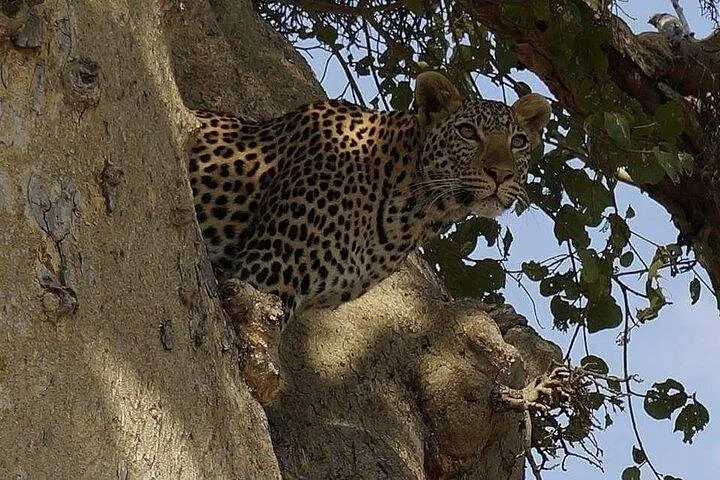
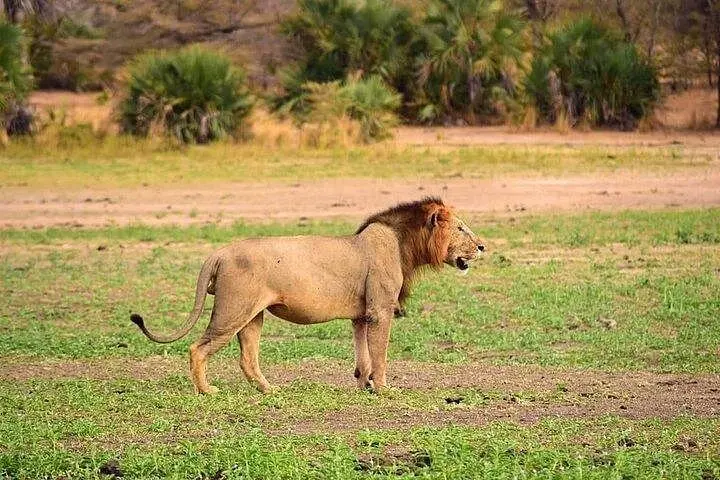
Mikumi is known for elephants, lions, giraffes, zebra, buffalo, hippo, wildebeest, and crocodile—sightings depend on season and time of day.
Safaris Partners operates guided outdoor trips and adventures with an emphasis on safety, stewardship, and memorable experiences.
Dust from the coastal road lifts as your vehicle leaves Dar es Salaam behind and the landscape opens: low acacia trees, the broad sweep of the Mkata Floodplain, and a horizon where giraffes pick their way like punctuation marks. By late afternoon the park’s light changes—golden grasses lean into the wind and distant trunks silhouette against an enormous sky.
Dust from the coastal road lifts as your vehicle leaves Dar es Salaam behind and the landscape opens: low acacia trees, the broad sweep of the Mkata Floodplain, and a horizon where giraffes pick their way like punctuation marks. By late afternoon the park’s light changes—golden grasses lean into the wind and distant trunks silhouette against an enormous sky.
Mikumi sits in Tanzania’s Morogoro region on the southern fringe of the Eastern Arc mountains, a transition zone where East African savanna meets scattered woodlands. The park grew in importance in the mid-20th century to protect seasonal grazing grounds and the wildlife corridors that link larger systems like Selous to the south.
Culture here is visible along the route: small villages, farmers, and roadside markets where cassava and plantain trade hands. Geologically, the flat Mkata basin funnels water during rains, creating temporary marshes that concentrate game and draw predators.
Practically, a two-day itinerary gives time for an afternoon drive on arrival and a dawn game drive the next morning—prime hours for predator and elephant activity. Expect dusty 4x4 tracks, long stretches between shade and modest bandas inside the park for an overnight, and a travel day back to Dar es Salaam.
Bring binoculars, sun protection, and a sense of patience: wildlife sightings hinge on slow observation and the right light. Guides read the land—tracks, waterholes, and migratory patterns—and will chase the story the savanna is telling on that day.
This escape trades cruise-ship pace for concentrated wildlife time, returning you to the port with more than photos: a clearer sense of the rhythms that govern Tanzania’s plains.