THE ADVENTURE COLLECTIVE® · Independent discovery and booking for outdoor travel

A focused two‑day private tour that pairs sunrise at Angkor Wat and the carved faces of Bayon with a private boat cruise through the floating villages of Tonle Sap. Expect early starts, lots of walking, and vivid encounters with Khmer history and lake life.
A focused two‑day private tour that pairs sunrise at Angkor Wat and the carved faces of Bayon with a private boat cruise through the floating villages of Tonle Sap. Expect early starts, lots of walking, and vivid encounters with Khmer history and lake life.
You arrive before dawn when the stone cools and the first light slides along Angkor Wat’s galleries — a slow, bright unwrapping of carved bas‑reliefs. The two‑day private tour moves at a purposeful pace: sunrise at Angkor Wat, a corridor of smiling faces at Bayon, roots reclaiming Ta Prohm, and a coral of stilt houses floating on Tonle Sap.
Verified experiences and guided adventures in the surrounding area.
Operated by About Cambodia Travel & Tours · Siem Reap, Siem Reap Province
You arrive before dawn when the stone cools and the first light slides along Angkor Wat’s galleries — a slow, bright unwrapping of carved bas‑reliefs. The two‑day private tour moves at a purposeful pace: sunrise at Angkor Wat, a corridor of smiling faces at Bayon, roots reclaiming Ta Prohm, and a coral of stilt houses floating on Tonle Sap.
Angkor’s monuments are the remains of the Khmer Empire (9th–15th centuries), engineered on a backbone of sandstone and laterite and set into an elaborate hydraulic landscape. The West Baray and Tonle Sap are geological partners in that system: seasonal floods that expand the lake to its vast monsoon footprint, shaping livelihoods and ecosystems. Local culture remains intimate with the water — floating markets, fish drying platforms, and small pagodas that anchor daily life.
Practically, expect long days and lots of walking on uneven stone, sandy paths and timber gangways. Wear sun‑breathable clothing that still covers shoulders and knees for temple respect, solid walking shoes for slick roots and steps, and carry a refillable water bottle. Timing matters: early mornings and late afternoons are cooler and less crowded; mid‑day is best for Tonle Sap when lake life is active. Guides handle tickets and logistics, but bring small Cambodian riel or USD for modest donations and market purchases.
This itinerary balances history, living culture and the natural rhythms of the lake — a two‑day primer on Angkor’s scale and a window into communities that move with the water.
Yes — entrance to Angkor Archaeological Park requires a paid pass (1‑, 3‑ or 7‑day); your guide can arrange this on day one.
Boat segments typically run 60–180 minutes depending on tides and the chosen floating village; private cruises allow flexible timing.
The tour is private and adaptable; however, it includes uneven terrain and long days—consider mobility limits, sun exposure, and the need for frequent rests.
Many vendors accept USD or local riel; bring small bills for tips, souvenirs and temple donations—ATMs are available in Siem Reap but not on the lake.
About Cambodia Travel & Tours operates guided outdoor trips and adventures with an emphasis on safety, stewardship, and memorable experiences.
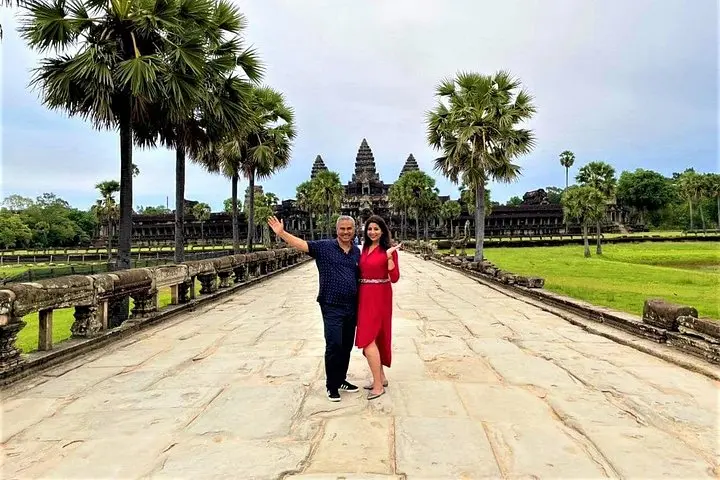
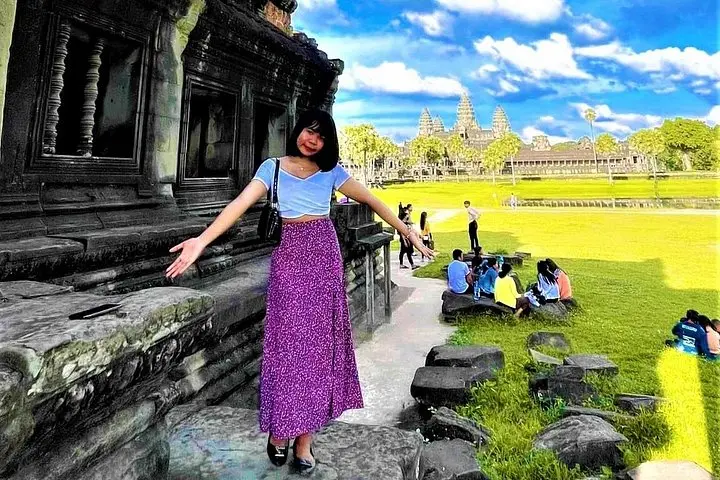
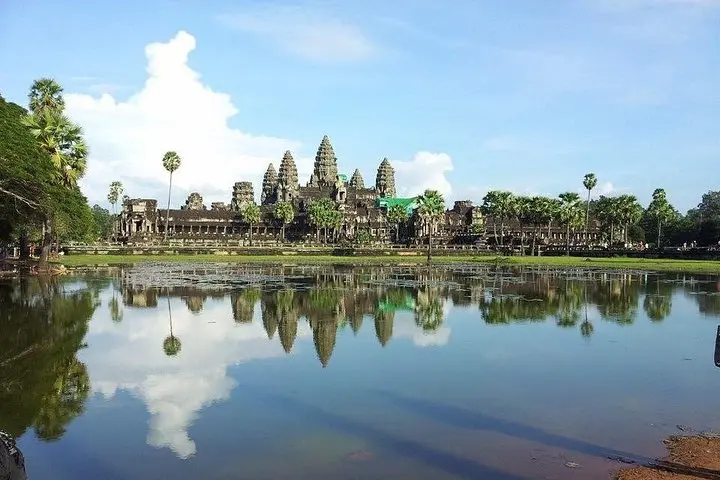
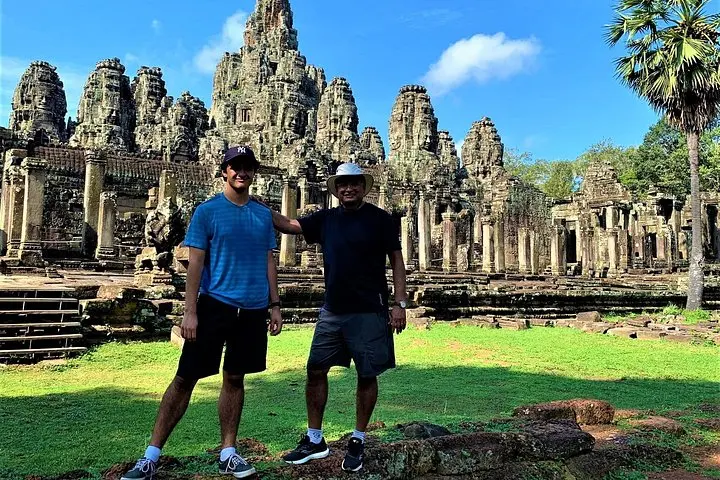
You arrive before dawn when the stone cools and the first light slides along Angkor Wat’s galleries — a slow, bright unwrapping of carved bas‑reliefs. The two‑day private tour moves at a purposeful pace: sunrise at Angkor Wat, a corridor of smiling faces at Bayon, roots reclaiming Ta Prohm, and a coral of stilt houses floating on Tonle Sap.
You arrive before dawn when the stone cools and the first light slides along Angkor Wat’s galleries — a slow, bright unwrapping of carved bas‑reliefs. The two‑day private tour moves at a purposeful pace: sunrise at Angkor Wat, a corridor of smiling faces at Bayon, roots reclaiming Ta Prohm, and a coral of stilt houses floating on Tonle Sap.
Angkor’s monuments are the remains of the Khmer Empire (9th–15th centuries), engineered on a backbone of sandstone and laterite and set into an elaborate hydraulic landscape. The West Baray and Tonle Sap are geological partners in that system: seasonal floods that expand the lake to its vast monsoon footprint, shaping livelihoods and ecosystems. Local culture remains intimate with the water — floating markets, fish drying platforms, and small pagodas that anchor daily life.
Practically, expect long days and lots of walking on uneven stone, sandy paths and timber gangways. Wear sun‑breathable clothing that still covers shoulders and knees for temple respect, solid walking shoes for slick roots and steps, and carry a refillable water bottle. Timing matters: early mornings and late afternoons are cooler and less crowded; mid‑day is best for Tonle Sap when lake life is active. Guides handle tickets and logistics, but bring small Cambodian riel or USD for modest donations and market purchases.
This itinerary balances history, living culture and the natural rhythms of the lake — a two‑day primer on Angkor’s scale and a window into communities that move with the water.