THE ADVENTURE COLLECTIVE® · Independent discovery and booking for outdoor travel

Drive from Luxor to Aswan, sail a felucca to a Nubian village, spend a night in Aswan, then rise early to visit the relocated temples of Abu Simbel. This private two-day tour blends river cruising, living culture and monumental archaeology with straightforward logistics.
Drive from Luxor to Aswan, sail a felucca to a Nubian village, spend a night in Aswan, then rise early to visit the relocated temples of Abu Simbel. This private two-day tour blends river cruising, living culture and monumental archaeology with straightforward logistics.
Before sunrise a private vehicle threads the Nile plain out of Luxor, headlights cutting through a pale sky as the desert exhales heat from the previous day. By midmorning the river appears—broad and insistent—daring travelers to slow down, to board a felucca and let wind and current set the pace.
Verified experiences and guided adventures in the surrounding area.
Operated by Magic Life Tours · Aswan, Aswan Governorate
Before sunrise a private vehicle threads the Nile plain out of Luxor, headlights cutting through a pale sky as the desert exhales heat from the previous day. By midmorning the river appears—broad and insistent—daring travelers to slow down, to board a felucca and let wind and current set the pace.
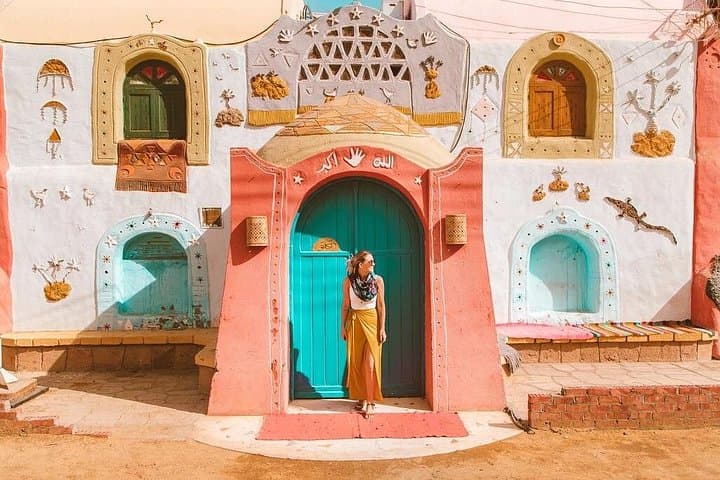
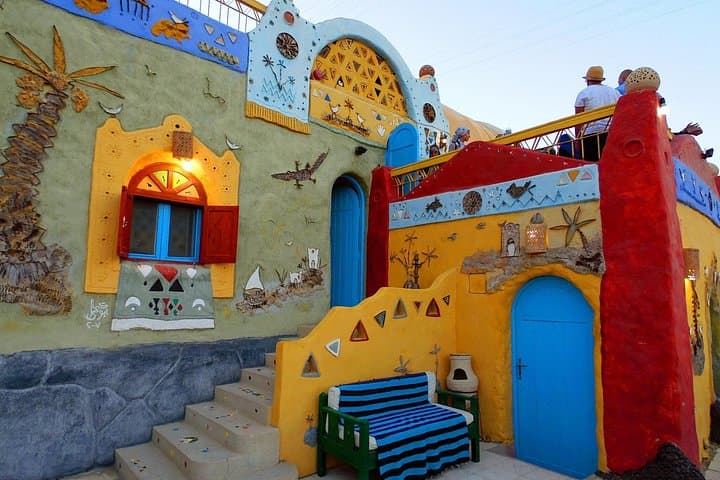
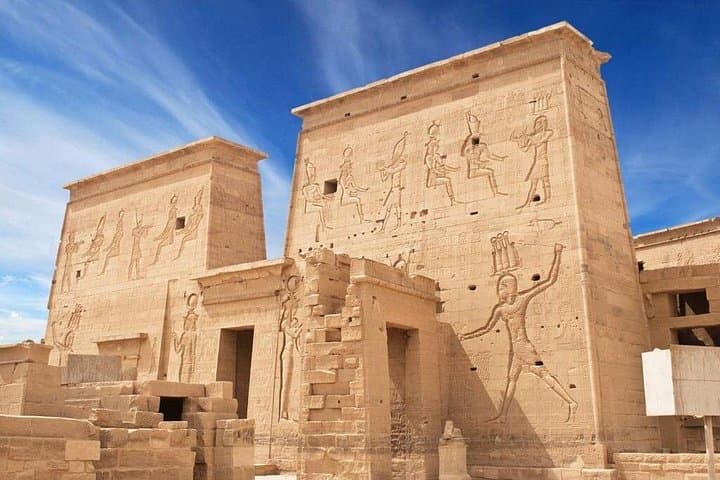
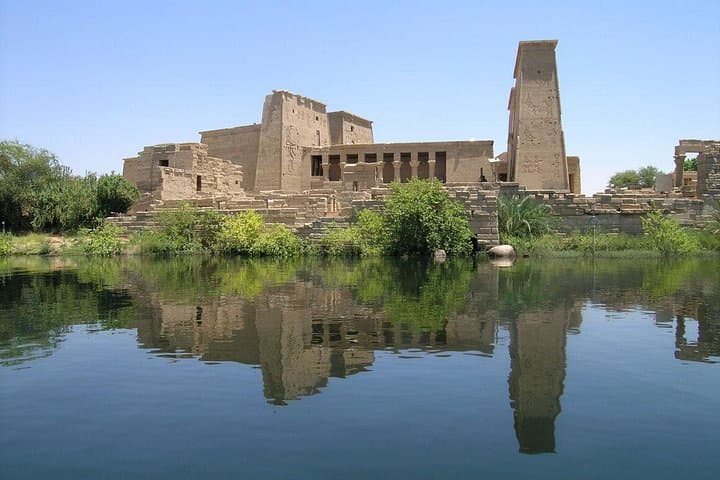
The first day is centered on Philae, an island-temple complex dedicated to Isis, whose stone columns still catch the angled light like an old language. Boarding a felucca from Elephantine, you glide past papyrus reed beds toward a Nubian village whose painted houses and bright boats feel lived-in and immediate. Geologically the region sits on ancient granite and sandstone; Abu Simbel’s colossal façades were carved from the Nubian sandstone cliff and later raised and moved stone by stone when the Aswan High Dam created Lake Nasser.
On day two an early run to Abu Simbel rewards travelers with the full scale of Ramesses II’s ambition—four seated colossi and the intimate temple of Nefertari—saved from submersion by a UNESCO rescue in the 1960s. Cultural notes: expect warm Nubian hospitality, the slow commerce of river life, and the layered history from Pharaonic to modern engineering.
Practical guidance: start very early for Abu Simbel to avoid midday heat; carry sun protection, plenty of water, and a light layer for cooler mornings. Entrance fees and most transfers are included; bring passport details for ticketing. The itinerary is low-impact physically—short walks, boat transfers, and comfortable vehicle rides—ideal for travelers who want immersive archaeology with manageable logistics.
Yes; entrance fees mentioned in the itinerary are included in the tour price.
Expect a pre-dawn pickup for the drive toward Aswan and an early start on day two to reach Abu Simbel before midday heat.
The tour is wheelchair accessible in transport and many sites, but some temple areas have steps and uneven ground—check specific access needs with the operator in advance.
Accommodation for one night in Aswan is included; the specific hotel class will be confirmed at booking—contact the provider for options or upgrades.
Magic Life Tours operates guided outdoor trips and adventures with an emphasis on safety, stewardship, and memorable experiences.
Before sunrise a private vehicle threads the Nile plain out of Luxor, headlights cutting through a pale sky as the desert exhales heat from the previous day. By midmorning the river appears—broad and insistent—daring travelers to slow down, to board a felucca and let wind and current set the pace.
Before sunrise a private vehicle threads the Nile plain out of Luxor, headlights cutting through a pale sky as the desert exhales heat from the previous day. By midmorning the river appears—broad and insistent—daring travelers to slow down, to board a felucca and let wind and current set the pace.
The first day is centered on Philae, an island-temple complex dedicated to Isis, whose stone columns still catch the angled light like an old language. Boarding a felucca from Elephantine, you glide past papyrus reed beds toward a Nubian village whose painted houses and bright boats feel lived-in and immediate. Geologically the region sits on ancient granite and sandstone; Abu Simbel’s colossal façades were carved from the Nubian sandstone cliff and later raised and moved stone by stone when the Aswan High Dam created Lake Nasser.
On day two an early run to Abu Simbel rewards travelers with the full scale of Ramesses II’s ambition—four seated colossi and the intimate temple of Nefertari—saved from submersion by a UNESCO rescue in the 1960s. Cultural notes: expect warm Nubian hospitality, the slow commerce of river life, and the layered history from Pharaonic to modern engineering.
Practical guidance: start very early for Abu Simbel to avoid midday heat; carry sun protection, plenty of water, and a light layer for cooler mornings. Entrance fees and most transfers are included; bring passport details for ticketing. The itinerary is low-impact physically—short walks, boat transfers, and comfortable vehicle rides—ideal for travelers who want immersive archaeology with manageable logistics.