THE ADVENTURE COLLECTIVE® · Independent discovery and booking for outdoor travel

Experience Oman’s high country in two days: Nizwa’s souq and forts, Al Hamra’s mountain villages, and an overnight at Jebel Shams with sweeping canyon rim views. This private tour mixes cultural sites with accessible highland walks.
Experience Oman’s high country in two days: Nizwa’s souq and forts, Al Hamra’s mountain villages, and an overnight at Jebel Shams with sweeping canyon rim views. This private tour mixes cultural sites with accessible highland walks.
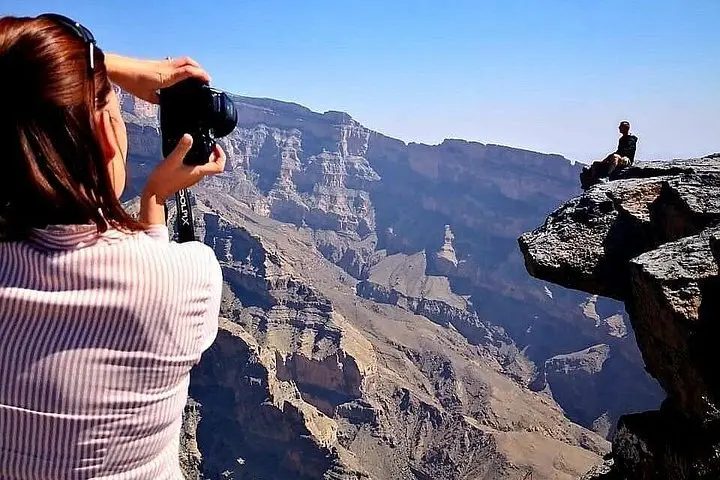
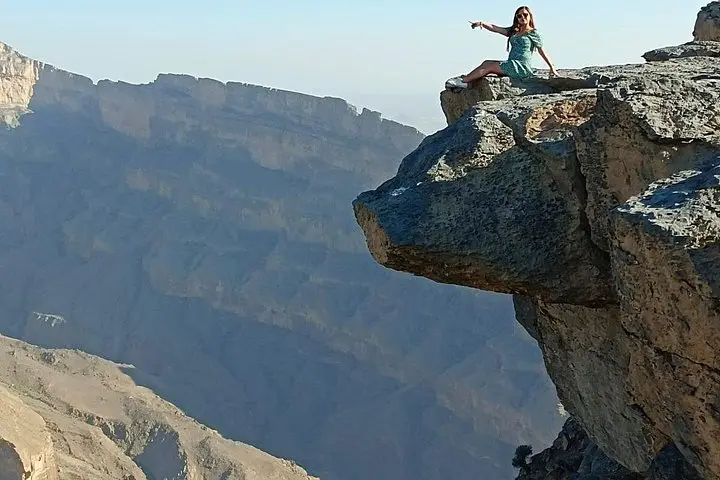
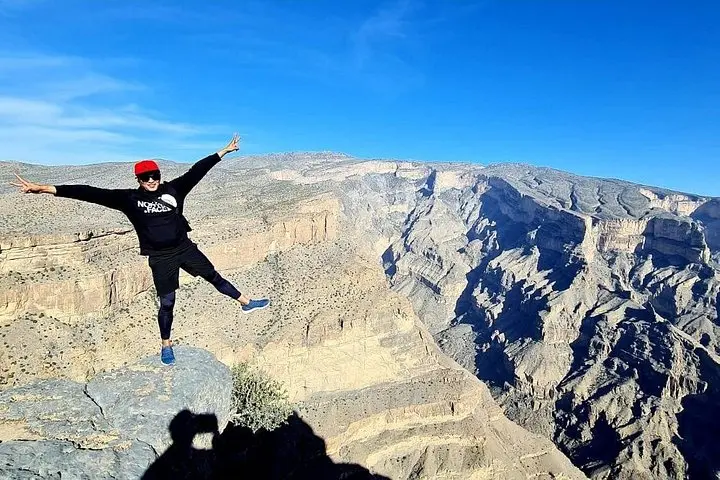
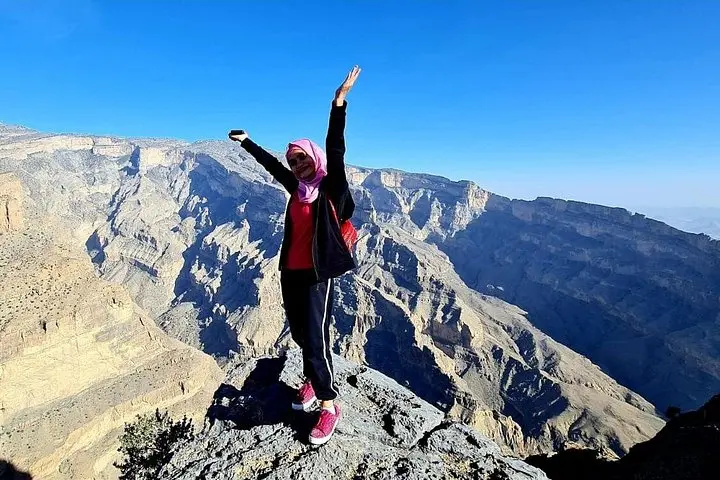
Dawn breaks over a serrated ridge and the van threads a narrow mountain road toward the rim. Wind scours the rock and the light skews the canyon walls into bands of ochre and shadow; by the time the group steps out at Jebel Shams the air feels thin and clean—an immediate contrast to Muscat’s coastal heat.
Verified experiences and guided adventures in the surrounding area.
Operated by Star Tours · Al Hamra, Ad Dakhiliyah Governorate
Dawn breaks over a serrated ridge and the van threads a narrow mountain road toward the rim. Wind scours the rock and the light skews the canyon walls into bands of ochre and shadow; by the time the group steps out at Jebel Shams the air feels thin and clean—an immediate contrast to Muscat’s coastal heat.
This two-day private loop ties cultural stops with highland geology. On day one the route moves inland to Nizwa’s souq—Oman’s old trading heart—then visits Nizwa Fort, Al Hamra’s 400-year-old mud-brick houses and the terraced oasis of Misfat al Abriyeen. Geologically, Jebel Shams is part of the Al Hajar range; its steep-walled canyon is carved into Jurassic limestones and shale, producing dramatic cliffs and narrow wadis.
Local culture surfaces in silverwork at the souq and the living architecture of Jabrin and Bahla forts—Bahla is UNESCO-listed and speaks to the region’s medieval fortified states. Expect layers of history from pre-Islamic trade routes to Yaruba-era fortifications.
Practically: Jebel Shams sits near 3,000 m elevation so temperatures drop and UV intensifies. The itinerary includes short rim walks and vehicle transfers on unpaved highland tracks; expect loose scree, sudden exposure, and short steep pitches if you explore viewpoints. Hydrate, wear sturdy boots and a wind layer, and allow time for photography at Fanja Views and the canyon rim. Overnight is at a mountain lodge or resort; the return route covers about 25 km descent toward Bahla before the drive back to Muscat. With basic fitness and proper gear, this tour balances cultural stops with the high-country drama of Oman’s Grand Canyon.
Walks range from short viewpoint strolls to the longer Balcony Walk; most options are moderate with some exposed sections—basic fitness and steady footing are sufficient.
The tour is private and paceable, but steep drops and uneven paths at the canyon are risky for very young children or those with mobility limits—check accessibility needs with the operator.
Typical inclusions are English-speaking Omani guide, 4WD transportation from Muscat, accommodation (one night), breakfast and dinner on day one as listed—confirm specifics when booking.
Yes—stops at Nizwa souq, Nizwa Fort, Jabrin and Bahla Fort are built into the itinerary and allow time to explore; admission fees may apply at some sites.
Star Tours operates guided outdoor trips and adventures with an emphasis on safety, stewardship, and memorable experiences.
Dawn breaks over a serrated ridge and the van threads a narrow mountain road toward the rim. Wind scours the rock and the light skews the canyon walls into bands of ochre and shadow; by the time the group steps out at Jebel Shams the air feels thin and clean—an immediate contrast to Muscat’s coastal heat.
Dawn breaks over a serrated ridge and the van threads a narrow mountain road toward the rim. Wind scours the rock and the light skews the canyon walls into bands of ochre and shadow; by the time the group steps out at Jebel Shams the air feels thin and clean—an immediate contrast to Muscat’s coastal heat.
This two-day private loop ties cultural stops with highland geology. On day one the route moves inland to Nizwa’s souq—Oman’s old trading heart—then visits Nizwa Fort, Al Hamra’s 400-year-old mud-brick houses and the terraced oasis of Misfat al Abriyeen. Geologically, Jebel Shams is part of the Al Hajar range; its steep-walled canyon is carved into Jurassic limestones and shale, producing dramatic cliffs and narrow wadis.
Local culture surfaces in silverwork at the souq and the living architecture of Jabrin and Bahla forts—Bahla is UNESCO-listed and speaks to the region’s medieval fortified states. Expect layers of history from pre-Islamic trade routes to Yaruba-era fortifications.
Practically: Jebel Shams sits near 3,000 m elevation so temperatures drop and UV intensifies. The itinerary includes short rim walks and vehicle transfers on unpaved highland tracks; expect loose scree, sudden exposure, and short steep pitches if you explore viewpoints. Hydrate, wear sturdy boots and a wind layer, and allow time for photography at Fanja Views and the canyon rim. Overnight is at a mountain lodge or resort; the return route covers about 25 km descent toward Bahla before the drive back to Muscat. With basic fitness and proper gear, this tour balances cultural stops with the high-country drama of Oman’s Grand Canyon.