THE ADVENTURE COLLECTIVE® · Independent discovery and booking for outdoor travel

A focused, private two-day tour that pairs the West Bank’s royal necropolis with the monumental temples of the East Bank. Ideal for travelers who want historical depth, guided context and efficient transport between Luxor’s must-see sites.
A focused, private two-day tour that pairs the West Bank’s royal necropolis with the monumental temples of the East Bank. Ideal for travelers who want historical depth, guided context and efficient transport between Luxor’s must-see sites.
You step off the minivan into a light that feels sharpened—heat and clarity pressing at the edges of the Nile. On the West Bank the desert opens like a book of burial chambers: painted tomb corridors, carved sarcophagi chambers, and the cool shadow of rock-cut temples. On Day Two, the city-side of Luxor rises—rows of papyrus sellers, colossal pylons and the columned forest of Karnak that hushes even busy travelers.
Verified experiences and guided adventures in the surrounding area.
Operated by Egypt Lovely Tours · Luxor, Luxor Governorate
You step off the minivan into a light that feels sharpened—heat and clarity pressing at the edges of the Nile. On the West Bank the desert opens like a book of burial chambers: painted tomb corridors, carved sarcophagi chambers, and the cool shadow of rock-cut temples. On Day Two, the city-side of Luxor rises—rows of papyrus sellers, colossal pylons and the columned forest of Karnak that hushes even busy travelers.
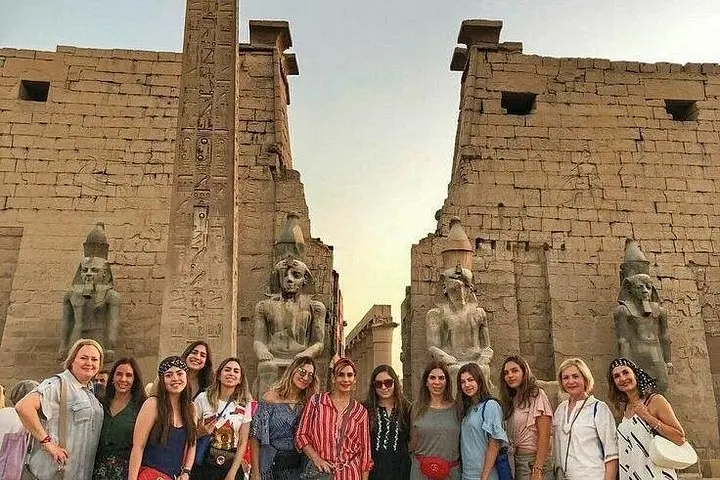
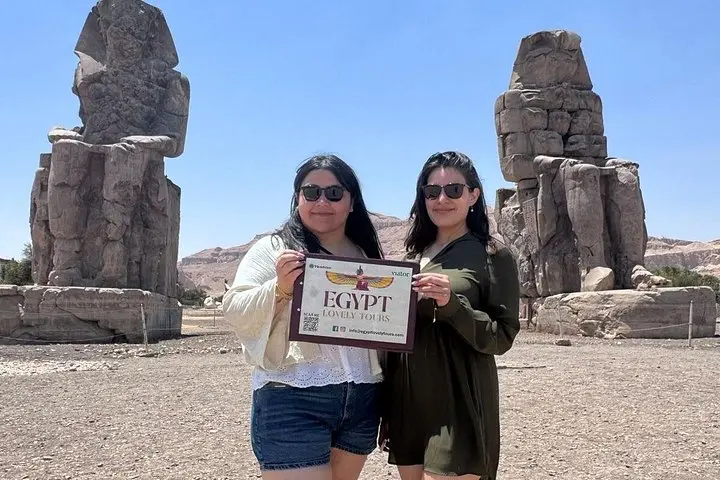
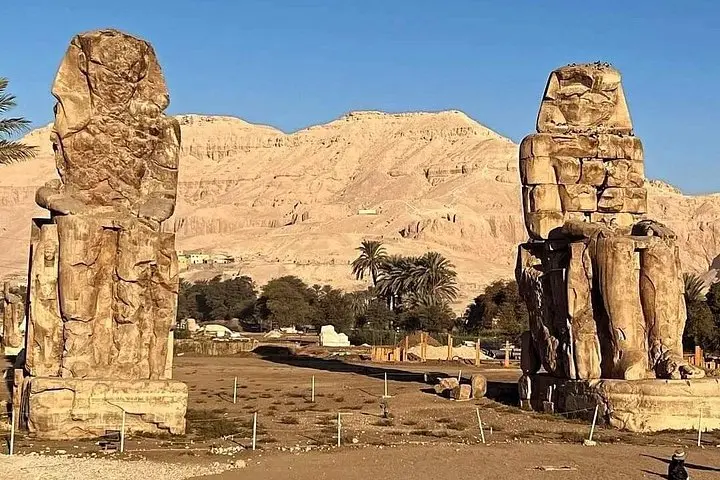
This two-day private itinerary threads together the Valley of the Kings, Hatshepsut’s mortuary temple at Deir el-Bahari, the Colossi of Memnon and lesser-known Deir el-Medina, before crossing to the East Bank to tackle Karnak and Luxor Temple. Geologically, the limestone and sandstone cliffs of the West Bank host tombs cut into bedrock; culturally, these sites are core to Egypt’s New Kingdom story—pharaohs’ afterlives, funerary cults and state temples that anchored ancient life.
Expect guided walks over uneven stone, intermittent shade and frequent stops for interpretation. Photography is welcome in most exterior areas but restricted inside some tombs; bring a hat and water—the desert will remind you it’s present. Morning slots avoid peak heat and give better light inside tombs; early or late visits to Karnak reveal the massive reliefs with more depth.
Practicalities: passports required for ticketing, modest dress recommended at temples, and comfortable closed-toe shoes make daily walking easier. Private transport between banks cuts lining up for ferries and gives time to absorb each site’s scale without rush.
Some options include entrance fees if you select the all-inclusive ticket; confirm at booking or expect to pay for standard tomb tickets if not included.
Yes—hot air balloon rides depart at dawn and can be booked as an add-on through local operators; they require early pickup and advance reservation.
Yes; the itinerary is private and can be adjusted—ask about adding sites like Medinet Habu, sound-and-light shows or a Nile felucca cruise.
Children are allowed (infants must sit on laps per policy); mobility-impaired travelers should notify operators in advance as many sites have steps and uneven terrain.
Egypt Lovely Tours operates guided outdoor trips and adventures with an emphasis on safety, stewardship, and memorable experiences.
You step off the minivan into a light that feels sharpened—heat and clarity pressing at the edges of the Nile. On the West Bank the desert opens like a book of burial chambers: painted tomb corridors, carved sarcophagi chambers, and the cool shadow of rock-cut temples. On Day Two, the city-side of Luxor rises—rows of papyrus sellers, colossal pylons and the columned forest of Karnak that hushes even busy travelers.
You step off the minivan into a light that feels sharpened—heat and clarity pressing at the edges of the Nile. On the West Bank the desert opens like a book of burial chambers: painted tomb corridors, carved sarcophagi chambers, and the cool shadow of rock-cut temples. On Day Two, the city-side of Luxor rises—rows of papyrus sellers, colossal pylons and the columned forest of Karnak that hushes even busy travelers.
This two-day private itinerary threads together the Valley of the Kings, Hatshepsut’s mortuary temple at Deir el-Bahari, the Colossi of Memnon and lesser-known Deir el-Medina, before crossing to the East Bank to tackle Karnak and Luxor Temple. Geologically, the limestone and sandstone cliffs of the West Bank host tombs cut into bedrock; culturally, these sites are core to Egypt’s New Kingdom story—pharaohs’ afterlives, funerary cults and state temples that anchored ancient life.
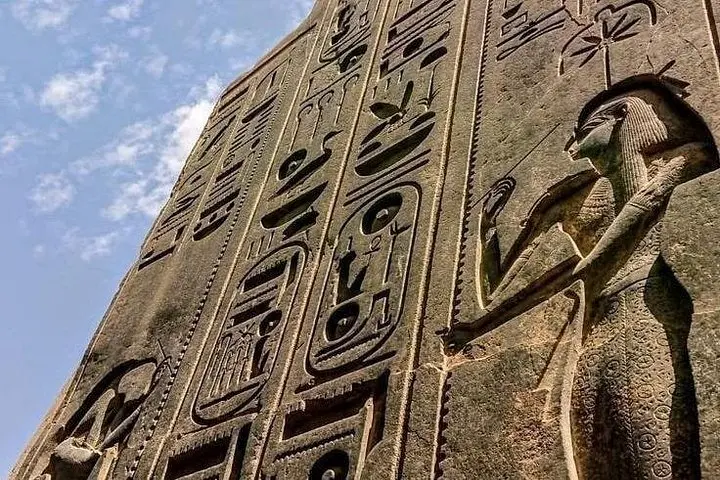
Expect guided walks over uneven stone, intermittent shade and frequent stops for interpretation. Photography is welcome in most exterior areas but restricted inside some tombs; bring a hat and water—the desert will remind you it’s present. Morning slots avoid peak heat and give better light inside tombs; early or late visits to Karnak reveal the massive reliefs with more depth.
Practicalities: passports required for ticketing, modest dress recommended at temples, and comfortable closed-toe shoes make daily walking easier. Private transport between banks cuts lining up for ferries and gives time to absorb each site’s scale without rush.