THE ADVENTURE COLLECTIVE® · Independent discovery and booking for outdoor travel

A private two-day circuit from Siem Reap that links Beng Mealea’s collapsed grandeur with remote Koh Ke, the sprawling Preah Khan Kampong Svay, and the pre-Angkorian temples of Sambor Prei Kuk. Expect long drives, uneven ruins, and an authentic homestay night.
A private two-day circuit from Siem Reap that links Beng Mealea’s collapsed grandeur with remote Koh Ke, the sprawling Preah Khan Kampong Svay, and the pre-Angkorian temples of Sambor Prei Kuk. Expect long drives, uneven ruins, and an authentic homestay night.
Dawn light sharpens the silhouettes of broken towers as your private vehicle cuts east from Siem Reap, rice paddies sliding past like pages. By mid-morning you stand at Beng Mealea where stone blocks lie in dramatic collapse, roots probing crevices and air heavy with humidity and history. The day folds into quieter, remote ruins at Koh Ke and a village homestay where local rhythms set the pace.
Verified experiences and guided adventures in the surrounding area.
Operated by Private Tour Guide-Cambodia · Siem Reap, Siem Reap Province
Dawn light sharpens the silhouettes of broken towers as your private vehicle cuts east from Siem Reap, rice paddies sliding past like pages. By mid-morning you stand at Beng Mealea where stone blocks lie in dramatic collapse, roots probing crevices and air heavy with humidity and history. The day folds into quieter, remote ruins at Koh Ke and a village homestay where local rhythms set the pace.
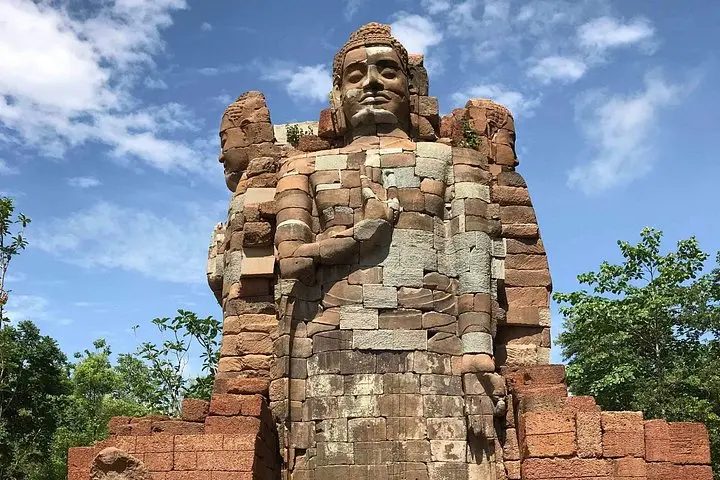
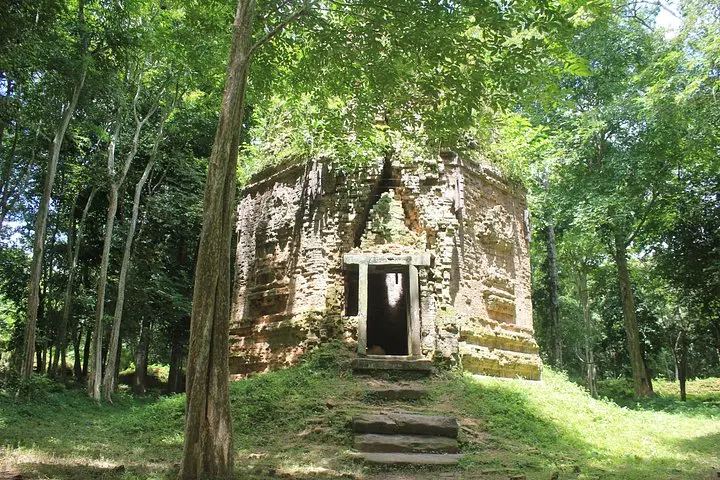
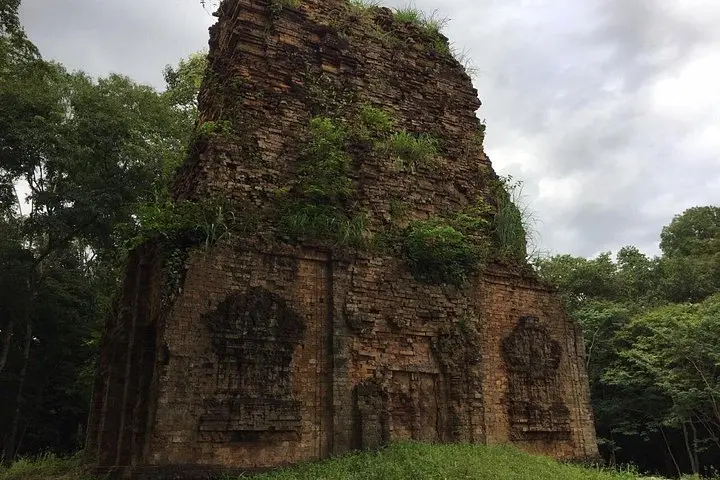
These sites span centuries: Sambor Prei Kuk (Isanapura) predates Angkor, with brick temples and early Khmer sculptures; Preah Khan Kampong Svay grew into one of the largest Angkorian complexes, its sandstone and laterite blocks telling a story of empire, trade and river logistics. Geologically the region is dominated by sandstone built from ancient river sediments, which weathers into the sculptural blocks you’ll explore. Culture here is rural and agricultural — homestays offer direct contact with families whose lives are still tied to the Tonle Sap cycles.
Practical notes: expect long drives on paved and secondary roads, some walking over uneven temple rubble, and simple homestay accommodations. Bring sun protection, insect repellent, modest clothing for temple etiquette, and a refillable water bottle. Early starts beat heat and afternoon storms during the wet season. A private guide (often included) will handle logistics and context, letting you focus on the ruins and the landscapes that shaped them.
Plan for several hours of driving each day — sites are spread across eastern and northern Cambodia with secondary roads between them; the tour typically includes door-to-door transfers from Siem Reap.
This tour description notes admissions may or may not be included per site; verify with the operator before booking to confirm which temple fees are covered.
Homestays are simple, family-run lodgings offering basic beds and local meals; they provide cultural immersion but limited hotel-style amenities.
Yes — the tour is rated easy with short walks, but participants should be comfortable with vehicle travel, uneven ground, and basic homestay facilities.
Private Tour Guide-Cambodia operates guided outdoor trips and adventures with an emphasis on safety, stewardship, and memorable experiences.
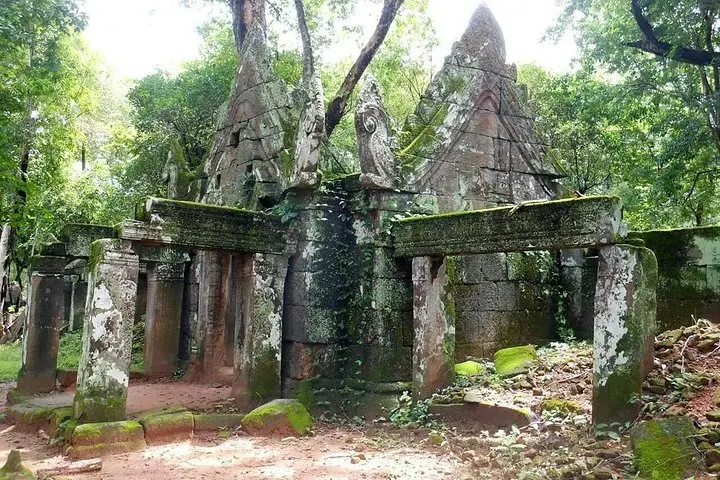
Dawn light sharpens the silhouettes of broken towers as your private vehicle cuts east from Siem Reap, rice paddies sliding past like pages. By mid-morning you stand at Beng Mealea where stone blocks lie in dramatic collapse, roots probing crevices and air heavy with humidity and history. The day folds into quieter, remote ruins at Koh Ke and a village homestay where local rhythms set the pace.
Dawn light sharpens the silhouettes of broken towers as your private vehicle cuts east from Siem Reap, rice paddies sliding past like pages. By mid-morning you stand at Beng Mealea where stone blocks lie in dramatic collapse, roots probing crevices and air heavy with humidity and history. The day folds into quieter, remote ruins at Koh Ke and a village homestay where local rhythms set the pace.
These sites span centuries: Sambor Prei Kuk (Isanapura) predates Angkor, with brick temples and early Khmer sculptures; Preah Khan Kampong Svay grew into one of the largest Angkorian complexes, its sandstone and laterite blocks telling a story of empire, trade and river logistics. Geologically the region is dominated by sandstone built from ancient river sediments, which weathers into the sculptural blocks you’ll explore. Culture here is rural and agricultural — homestays offer direct contact with families whose lives are still tied to the Tonle Sap cycles.
Practical notes: expect long drives on paved and secondary roads, some walking over uneven temple rubble, and simple homestay accommodations. Bring sun protection, insect repellent, modest clothing for temple etiquette, and a refillable water bottle. Early starts beat heat and afternoon storms during the wet season. A private guide (often included) will handle logistics and context, letting you focus on the ruins and the landscapes that shaped them.