THE ADVENTURE COLLECTIVE® · Independent discovery and booking for outdoor travel

Spend two days tracing Greece’s myths and monasteries: explore Delphi’s oracle site, then watch monasteries hover above the plains at Meteora. This private tour combines archaeological insight with dramatic rockscapes and an overnight in the Meteora region.
Spend two days tracing Greece’s myths and monasteries: explore Delphi’s oracle site, then watch monasteries hover above the plains at Meteora. This private tour combines archaeological insight with dramatic rockscapes and an overnight in the Meteora region.
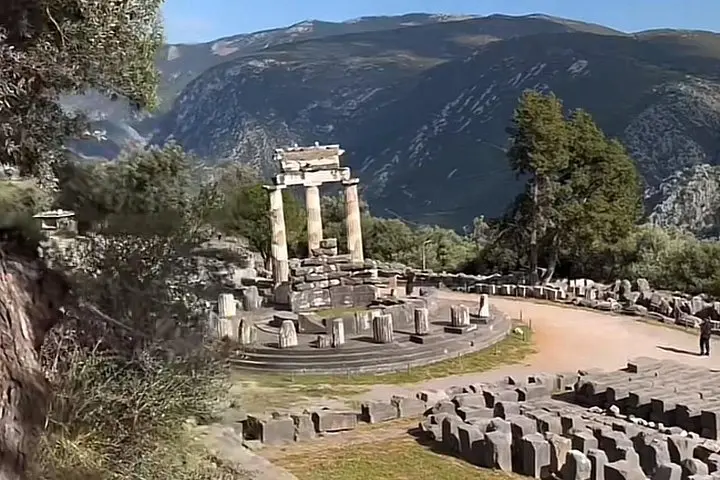
Morning light cuts across the olive groves as the van leaves Athens and the road climbs toward Mount Parnassus — by midday you stand where the ancients listened for answers at Delphi, where marble ruins slope toward a valley of cypress and stone.
Verified experiences and guided adventures in the surrounding area.
Operated by Katakolo2Olympia Tours · Athens, Attica
Morning light cuts across the olive groves as the van leaves Athens and the road climbs toward Mount Parnassus — by midday you stand where the ancients listened for answers at Delphi, where marble ruins slope toward a valley of cypress and stone.
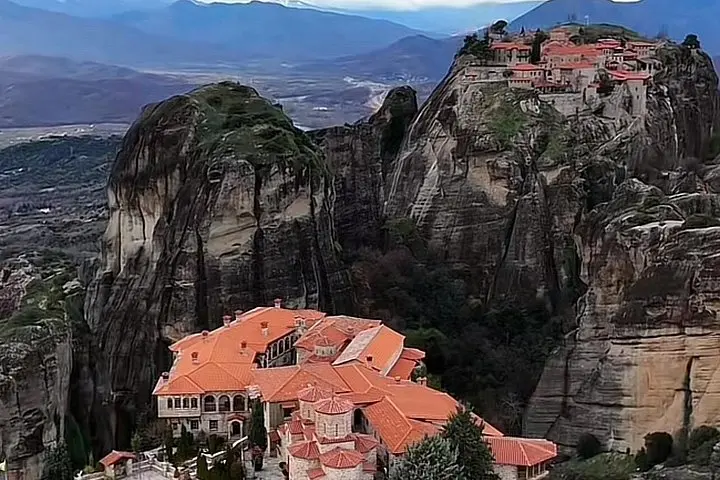
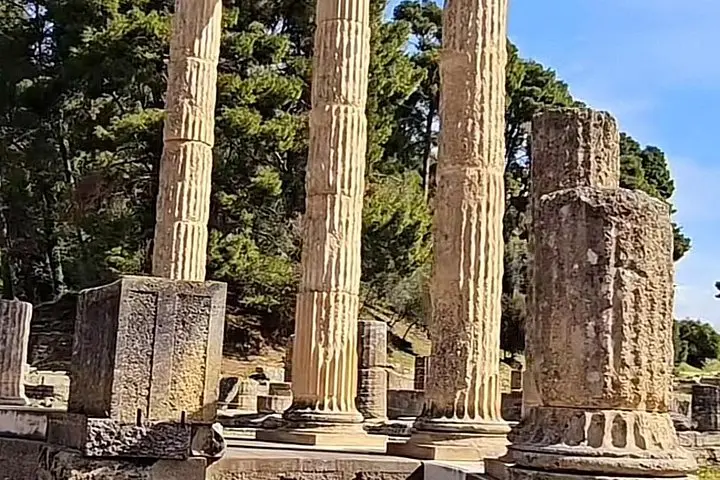
Delphi's Temple of Apollo, the theater and museum anchor a place that shaped Greek religious and political life for centuries; later you cross upland plains toward Meteora, where sandstone pillars rise like islands of rock and centuries-old monasteries cling to sheer faces. Geology here is blunt and obvious: compressed river delta and uplifted beds eroded into towers over millions of years, then shaped by human hands into remote monastic retreats from the 14th century on.
Culturally the route threads village life — Arachova’s narrow streets and kalderimi steps, Kalambaka’s low-slung hospitality — and the rhythm of small-towns that cater to pilgrims and hikers alike.
Practically: expect two long travel segments (Athens→Delphi ~2.5 hours, Delphi→Kalambaka ~3–3.5 hours), with 2–3 hours of walking at each site. Trails at Delphi are uneven stone with modest grades; Meteora requires stair climbs to monastery entrances (several hundred steps total if you visit multiple sites). Dress respectfully for monasteries (shoulders and knees covered), bring layers for wind and altitude change, and carry water — summer heat can be sharp, shoulder seasons cool fast.
This private, multi-day format lets you balance archaeological time with the slow, vertical drama of Meteora — an itinerary that pairs history, geology and local hospitality into a compact, accessible escape from the city.
Expect about 2.5 hours from Athens to Delphi, then roughly 3–3.5 hours from Delphi to the Meteora/Kalambaka area; return times vary by route and stops.
Check the tour inclusions — many tours do not include monastery entry fees, which are small and paid on-site; donations are also customary.
The itinerary involves uneven terrain and stairs; it’s suitable for children with supervision but not ideal for those with significant mobility limitations—notify the operator to discuss adjustments.
Some departures or private arrangements may accommodate different overnight locations; confirm with the operator when booking.
Katakolo2Olympia Tours operates guided outdoor trips and adventures with an emphasis on safety, stewardship, and memorable experiences.

Morning light cuts across the olive groves as the van leaves Athens and the road climbs toward Mount Parnassus — by midday you stand where the ancients listened for answers at Delphi, where marble ruins slope toward a valley of cypress and stone.
Morning light cuts across the olive groves as the van leaves Athens and the road climbs toward Mount Parnassus — by midday you stand where the ancients listened for answers at Delphi, where marble ruins slope toward a valley of cypress and stone.
Delphi's Temple of Apollo, the theater and museum anchor a place that shaped Greek religious and political life for centuries; later you cross upland plains toward Meteora, where sandstone pillars rise like islands of rock and centuries-old monasteries cling to sheer faces. Geology here is blunt and obvious: compressed river delta and uplifted beds eroded into towers over millions of years, then shaped by human hands into remote monastic retreats from the 14th century on.
Culturally the route threads village life — Arachova’s narrow streets and kalderimi steps, Kalambaka’s low-slung hospitality — and the rhythm of small-towns that cater to pilgrims and hikers alike.
Practically: expect two long travel segments (Athens→Delphi ~2.5 hours, Delphi→Kalambaka ~3–3.5 hours), with 2–3 hours of walking at each site. Trails at Delphi are uneven stone with modest grades; Meteora requires stair climbs to monastery entrances (several hundred steps total if you visit multiple sites). Dress respectfully for monasteries (shoulders and knees covered), bring layers for wind and altitude change, and carry water — summer heat can be sharp, shoulder seasons cool fast.
This private, multi-day format lets you balance archaeological time with the slow, vertical drama of Meteora — an itinerary that pairs history, geology and local hospitality into a compact, accessible escape from the city.