THE ADVENTURE COLLECTIVE® · Independent discovery and booking for outdoor travel

A compact two-day trek from Marrakech into the Atlas’ Red Valley: pass high saddles, walk through juniper forests, visit Berber villages and return to the city after two full days of varied trail. Practical, immersive and accessible for hikers with moderate fitness.
A compact two-day trek from Marrakech into the Atlas’ Red Valley: pass high saddles, walk through juniper forests, visit Berber villages and return to the city after two full days of varied trail. Practical, immersive and accessible for hikers with moderate fitness.
You leave Marrakech before dawn and the city folds behind you as granite ridgelines sharpen against the sky. By late morning the trail narrows into a path of red earth, juniper roots and loose shale; the wind through the trees seems to push you up to the pass. The first day climbs from Imlil (about 1,740 m) to the Tizi Mzik saddle, where the valley opens and the pace slows to take in views of neighboring High Atlas peaks.
Verified experiences and guided adventures in the surrounding area.
Operated by Atlas Mountains View · Imlil, Marrakech-Safi
You leave Marrakech before dawn and the city folds behind you as granite ridgelines sharpen against the sky. By late morning the trail narrows into a path of red earth, juniper roots and loose shale; the wind through the trees seems to push you up to the pass. The first day climbs from Imlil (about 1,740 m) to the Tizi Mzik saddle, where the valley opens and the pace slows to take in views of neighboring High Atlas peaks.
These slopes are part of a living cultural landscape shaped by Amazigh (Berber) shepherding and terraced farming. The stone-built villages you pass use local schist; traditional flat roofs and occasional hamams reflect centuries of mountain life. Geologically the region is folded and fractured volcanic and metamorphic rock, which gives trails their red tones and sudden steep gullies.
Expect two full days of hiking—about 6 hours each—across mixed terrain: compact dirt, rocky switchbacks and shaded juniper forests. Highlights include a waterfall near Tizi Oussem, walnut groves at Matat and evenings in a simple guesthouse where tajine and mint tea anchor the day.
Practical notes: pack layers for large day–night swings, sturdy boots for loose scree, and a refillable water bottle—water is provided but rationing on steep sections helps. Mules carry luggage; keep a small daypack. Guides manage logistics and cultural interactions, so you can move through villages respectfully and learn about local life. The route is rewarding, immediate and quietly wild—mountains that test your legs and leave time to listen to the valley.
Yes, if you have moderate fitness and are comfortable walking 6 hours with elevation gain; guides support a steady group pace.
Yes—two nights’ accommodation in guesthouses and all meals during the trek are included per the itinerary.
Sections run through villages with intermittent cell coverage; expect limited service on higher passes and in forested valleys.
Yes—muleteers transport luggage; bring a small daypack for items you’ll need on the trail.
Atlas Mountains View operates guided outdoor trips and adventures with an emphasis on safety, stewardship, and memorable experiences.
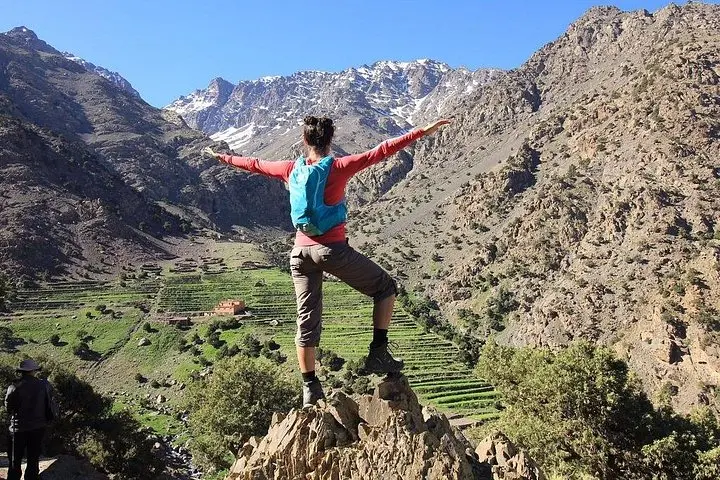
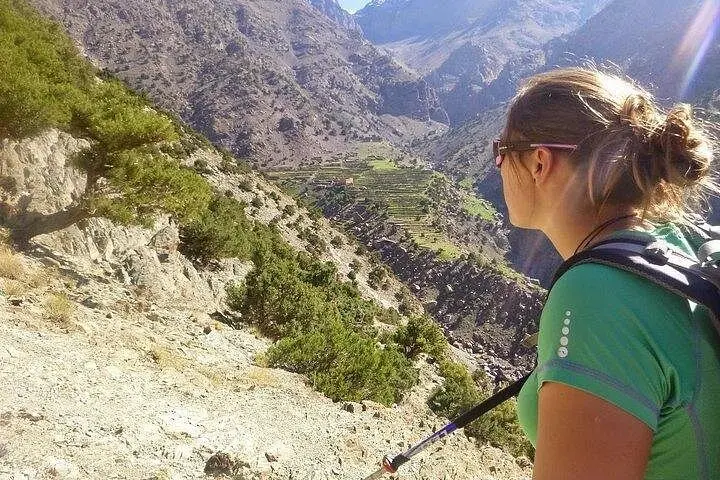
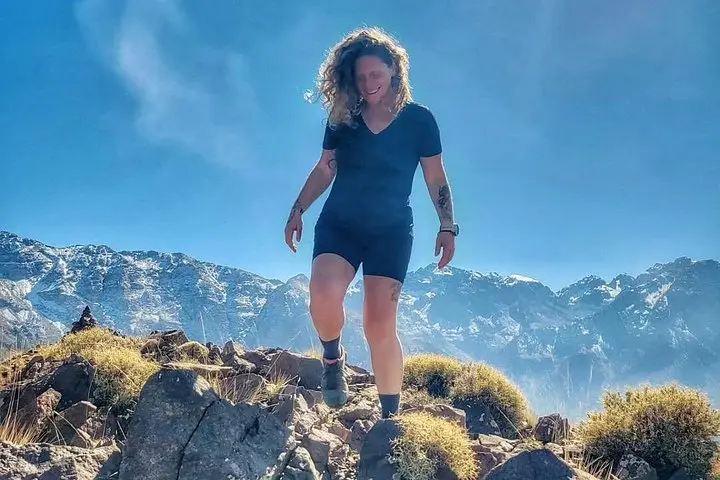
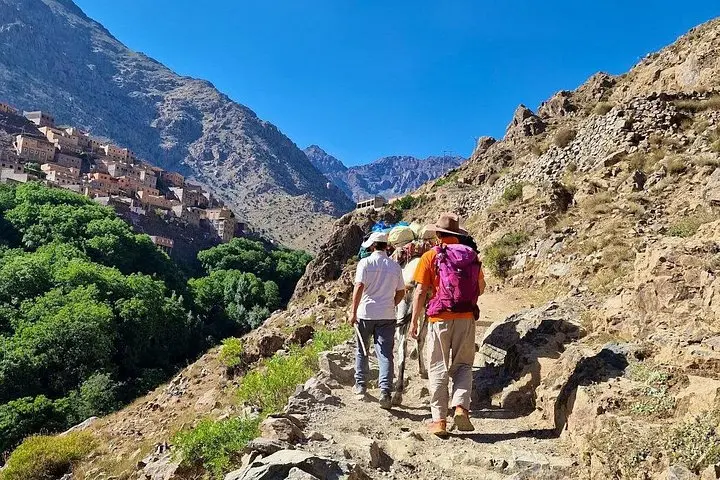
You leave Marrakech before dawn and the city folds behind you as granite ridgelines sharpen against the sky. By late morning the trail narrows into a path of red earth, juniper roots and loose shale; the wind through the trees seems to push you up to the pass. The first day climbs from Imlil (about 1,740 m) to the Tizi Mzik saddle, where the valley opens and the pace slows to take in views of neighboring High Atlas peaks.
You leave Marrakech before dawn and the city folds behind you as granite ridgelines sharpen against the sky. By late morning the trail narrows into a path of red earth, juniper roots and loose shale; the wind through the trees seems to push you up to the pass. The first day climbs from Imlil (about 1,740 m) to the Tizi Mzik saddle, where the valley opens and the pace slows to take in views of neighboring High Atlas peaks.
These slopes are part of a living cultural landscape shaped by Amazigh (Berber) shepherding and terraced farming. The stone-built villages you pass use local schist; traditional flat roofs and occasional hamams reflect centuries of mountain life. Geologically the region is folded and fractured volcanic and metamorphic rock, which gives trails their red tones and sudden steep gullies.
Expect two full days of hiking—about 6 hours each—across mixed terrain: compact dirt, rocky switchbacks and shaded juniper forests. Highlights include a waterfall near Tizi Oussem, walnut groves at Matat and evenings in a simple guesthouse where tajine and mint tea anchor the day.
Practical notes: pack layers for large day–night swings, sturdy boots for loose scree, and a refillable water bottle—water is provided but rationing on steep sections helps. Mules carry luggage; keep a small daypack. Guides manage logistics and cultural interactions, so you can move through villages respectfully and learn about local life. The route is rewarding, immediate and quietly wild—mountains that test your legs and leave time to listen to the valley.