THE ADVENTURE COLLECTIVE® · Independent discovery and booking for outdoor travel

Ride the Urubamba corridor from Cusco through the Sacred Valley, overnight in Aguas Calientes, then tour Machu Picchu at first light. This pragmatic two-day itinerary pairs Inca sites like Moray and Maras with the dramatic train approach to the citadel.
Ride the Urubamba corridor from Cusco through the Sacred Valley, overnight in Aguas Calientes, then tour Machu Picchu at first light. This pragmatic two-day itinerary pairs Inca sites like Moray and Maras with the dramatic train approach to the citadel.
The train whistles low as it slides out of Cusco and the Urubamba River takes up its role as companion, urging you deeper into the Andes. Terraced slopes march past the carriage windows, alpacas blinking on higher ledges, and the valley narrows toward the cloud forest that guards Machu Picchu. By evening you arrive in Aguas Calientes, where thermal pools steam under a star-pricked sky and the town’s compact streets hum with last-minute preparations.
Verified experiences and guided adventures in the surrounding area.
Operated by Minkas Travel · Aguas Calientes, Cusco
The train whistles low as it slides out of Cusco and the Urubamba River takes up its role as companion, urging you deeper into the Andes. Terraced slopes march past the carriage windows, alpacas blinking on higher ledges, and the valley narrows toward the cloud forest that guards Machu Picchu. By evening you arrive in Aguas Calientes, where thermal pools steam under a star-pricked sky and the town’s compact streets hum with last-minute preparations.
This two-day route threads Inca engineering and Andean livelihoods: Chinchero’s weaving centers preserve dyeing techniques and llama husbandry; Moray’s concentric agricultural terraces reveal microclimate experiments; the Maras salt pans trace extraction methods that predate the empire. Ollantaytambo stands as a living Inca settlement—stone stairways and narrow alleys that still channel irrigation and memory.
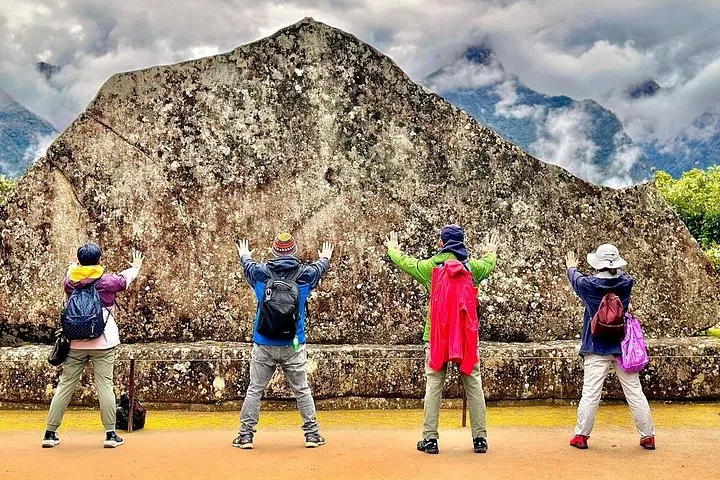
Geologically the citadel perches on granite ridges sculpted by tectonics and erosion, where cloud-forest species and mountain flora compete for sunlight. On-site visits run 2–2.5 hours for the main circuit; bus access from Aguas Calientes is roughly 25 minutes each way.
Practical guidance: book your train and Machu Picchu circuit well in advance and carry government ID to match tickets. Expect walking over uneven stone and short steep staircases—sturdy footwear is essential and poles help on descents. Altitude in Cusco is higher than Machu Picchu; pace yourself, hydrate, and avoid heavy meals the first day. Weather can flip from hot sun to mist in minutes—layer and bring a compact rain shell. Respect signposted routes: the sanctuary manages visitor flow to protect fragile trails and archaeology. With a little planning, the two-day loop combines cultural context, dramatic river valleys, and a sunrise approach to one of South America’s most compelling sites.
Yes—entrance slots and circuits are limited and must be reserved in advance to guarantee access.
Guided tours typically last 2 to 2.5 hours and cover main sectors, viewpoints and archaeological highlights.
Round-trip tourist train tickets are included; trains depart from stations near Cusco (San Pedro area or Poroy depending on schedule).
Yes—most itineraries include free time after hotel check-in to visit the thermal baths before the next morning’s ascent.
Minkas Travel operates guided outdoor trips and adventures with an emphasis on safety, stewardship, and memorable experiences.
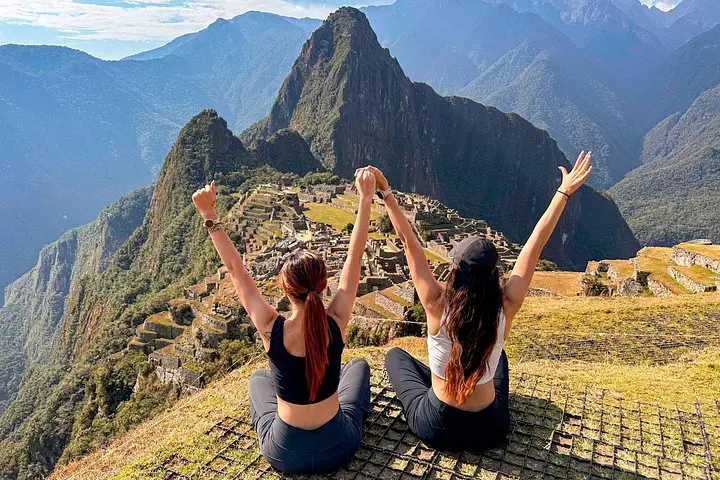
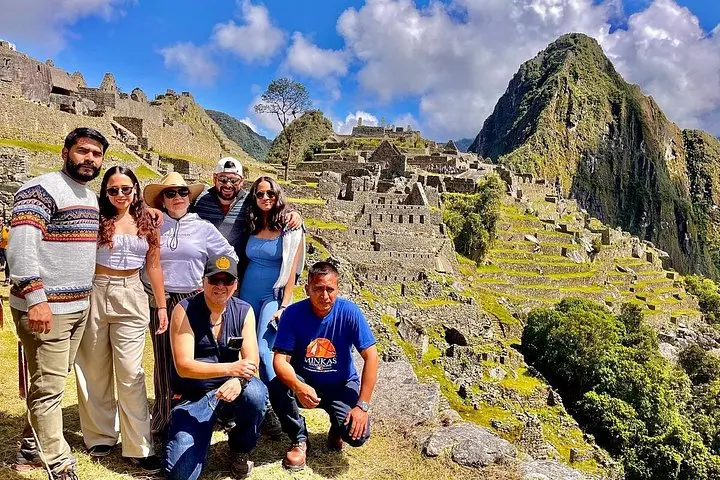
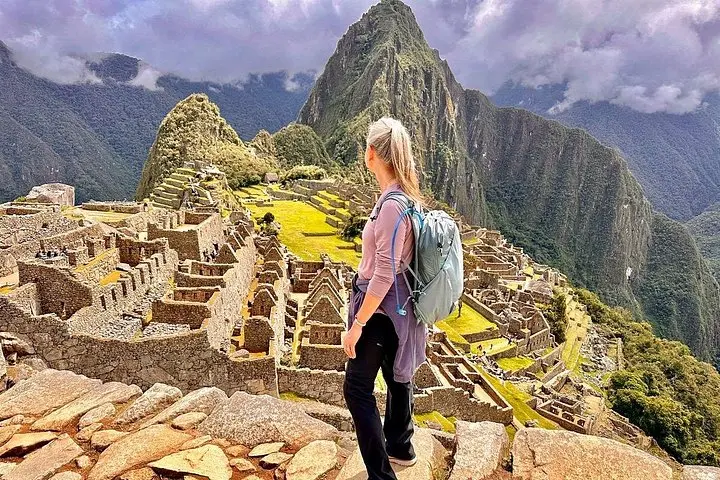
The train whistles low as it slides out of Cusco and the Urubamba River takes up its role as companion, urging you deeper into the Andes. Terraced slopes march past the carriage windows, alpacas blinking on higher ledges, and the valley narrows toward the cloud forest that guards Machu Picchu. By evening you arrive in Aguas Calientes, where thermal pools steam under a star-pricked sky and the town’s compact streets hum with last-minute preparations.
The train whistles low as it slides out of Cusco and the Urubamba River takes up its role as companion, urging you deeper into the Andes. Terraced slopes march past the carriage windows, alpacas blinking on higher ledges, and the valley narrows toward the cloud forest that guards Machu Picchu. By evening you arrive in Aguas Calientes, where thermal pools steam under a star-pricked sky and the town’s compact streets hum with last-minute preparations.
This two-day route threads Inca engineering and Andean livelihoods: Chinchero’s weaving centers preserve dyeing techniques and llama husbandry; Moray’s concentric agricultural terraces reveal microclimate experiments; the Maras salt pans trace extraction methods that predate the empire. Ollantaytambo stands as a living Inca settlement—stone stairways and narrow alleys that still channel irrigation and memory.
Geologically the citadel perches on granite ridges sculpted by tectonics and erosion, where cloud-forest species and mountain flora compete for sunlight. On-site visits run 2–2.5 hours for the main circuit; bus access from Aguas Calientes is roughly 25 minutes each way.
Practical guidance: book your train and Machu Picchu circuit well in advance and carry government ID to match tickets. Expect walking over uneven stone and short steep staircases—sturdy footwear is essential and poles help on descents. Altitude in Cusco is higher than Machu Picchu; pace yourself, hydrate, and avoid heavy meals the first day. Weather can flip from hot sun to mist in minutes—layer and bring a compact rain shell. Respect signposted routes: the sanctuary manages visitor flow to protect fragile trails and archaeology. With a little planning, the two-day loop combines cultural context, dramatic river valleys, and a sunrise approach to one of South America’s most compelling sites.