THE ADVENTURE COLLECTIVE® · Independent discovery and booking for outdoor travel

Leave Nairobi for two days of Rift Valley contrasts: boat trips among hippos at Lake Naivasha, cliff-carved cycling in Hell's Gate, and flamingo-laced shores at Lake Nakuru. This compact circuit pairs dramatic geology with concentrated wildlife viewing and hands-on local culture.
Leave Nairobi for two days of Rift Valley contrasts: boat trips among hippos at Lake Naivasha, cliff-carved cycling in Hell's Gate, and flamingo-laced shores at Lake Nakuru. This compact circuit pairs dramatic geology with concentrated wildlife viewing and hands-on local culture.
You arrive before dawn with Nairobi shrinking in the rearview as the land opens into the Rift Valley — a hard-angled scar on the landscape where lakes sit like bruises of blue. By midmorning the safari minivan with an open roof pulls up at Lake Naivasha and the first thing that hits you is sound: the soft snort of hippos in the shallows, the reed-backed calls of papyrus birds and the distant hum of a town that still feels sleepy.
Verified experiences and guided adventures in the surrounding area.
Operated by KT Safaris · Naivasha, Nakuru County
You arrive before dawn with Nairobi shrinking in the rearview as the land opens into the Rift Valley — a hard-angled scar on the landscape where lakes sit like bruises of blue. By midmorning the safari minivan with an open roof pulls up at Lake Naivasha and the first thing that hits you is sound: the soft snort of hippos in the shallows, the reed-backed calls of papyrus birds and the distant hum of a town that still feels sleepy.
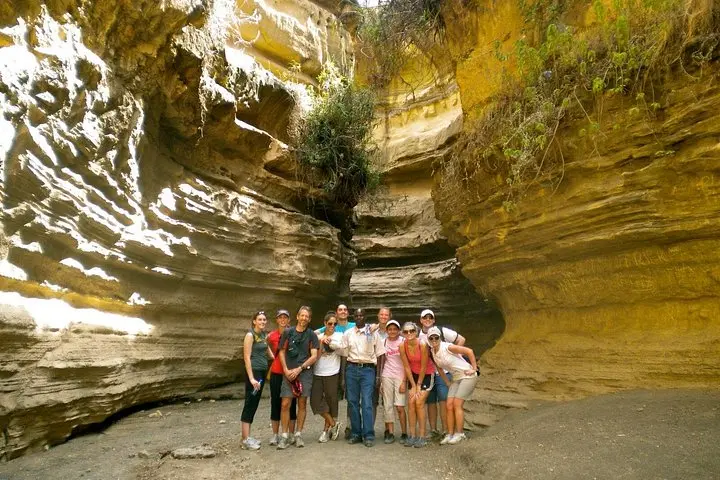
On day one the itinerary moves deliberately between water and rock. A short boat ride on Naivasha puts you opposite Crescent Island, where fearless zebras and giraffes browse with a calm that feels rehearsed. The lake’s surface will test your notions of scale — flocks of waterbirds collapsing and rebuilding like living weather patterns. Then, Hell’s Gate unfurls: steep cliffs of volcanic tuff, narrow gorges you can cycle or walk through, and thermal steam vents hinting at the geothermal forces that birthed this valley.
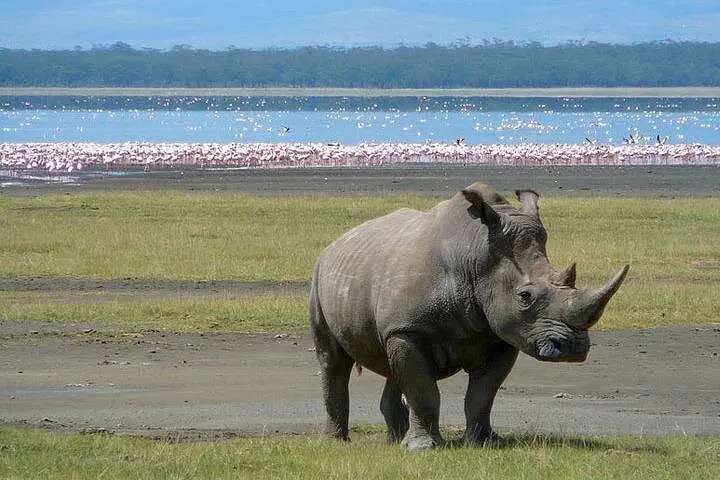
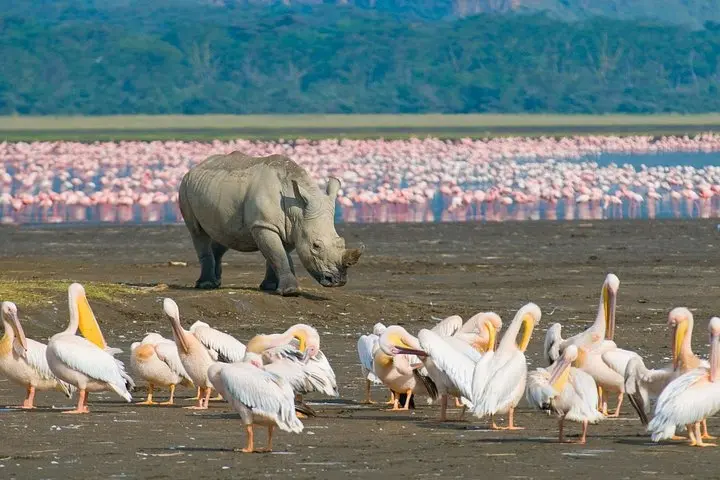
History and geology here are close companions. The Rift Valley formed millions of years ago as tectonic plates pulled apart, leaving alkaline lakes that attract both birds and the human communities who read the land well. Lake Nakuru sits further north; its soda waters attract the iconic pink of lesser flamingos and sustain a surprising concentration of wildlife, including the park’s successful rhino conservation program.
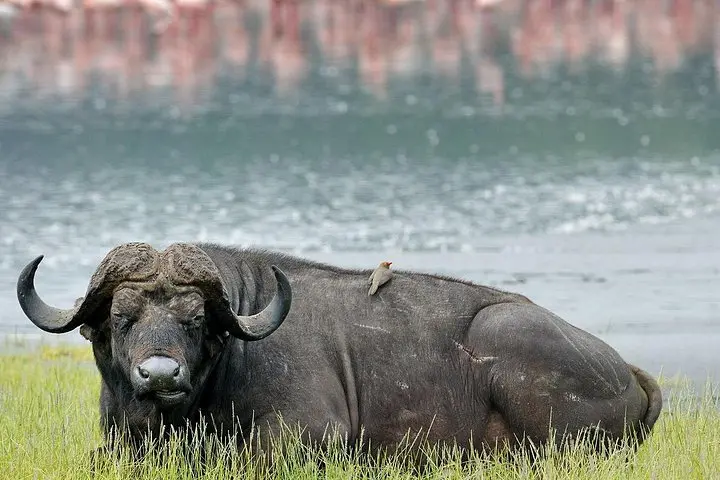
Culturally, this region mixes pastoral Maasai traditions and agricultural towns; local guides hold knowledge of animal behavior as well as tips on where to find the best local ugali and stew between drives. Conservation is visible — anti-poaching patrols at Nakuru and community-based tourism projects at Naivasha create a tourism loop that supports both wildlife and livelihoods.
Practical edge: the tour covers long stretches by road (Nairobi to Naivasha roughly 1.5–2 hours, Naivasha to Nakuru about 1.5 hours). Expect early starts, 4×4 viewing from an open-roof van, and options to cycle in Hell’s Gate. Bring layered clothing for cool mornings and hot afternoons, sturdy shoes for rocky trail sections, and binoculars for shorebird flocks. Hydration is non-negotiable; water sources on the road are limited.
Best timing is in the dry months for easier game viewing, though birding spikes with seasonal rains. Accommodation is provided overnight, leaving you free of logistics and focused on daylight: game drives at first light and late afternoon activity. With straightforward planning — a charged device, a refillable bottle, and sensible footwear — this two-day loop is a compact, high-return introduction to Kenya’s Rift Valley landscapes.
Expect roughly 1.5–2 hours depending on traffic; pickups are scheduled about 45 minutes before departure.
Admission specifics depend on the operator; confirm before booking, but the tour typically includes transport, lunch, driver-guide, and accommodation.
Yes — Hell’s Gate offers easy, mostly flat cycling routes through the gorge; you should be comfortable on a standard bike and wearing closed shoes.
Common sightings include hippos on Lake Naivasha, zebras, giraffes, warthogs, and at Lake Nakuru flocks of flamingos and sometimes rhinos.
Children are often allowed but operators may set age limits for safety — check with the supplier about family-friendly policies and vehicle seating.
A hat, sunscreen, water, and a waterproof phone case or camera cover; mornings can be cool and windy on the water.
KT Safaris operates guided outdoor trips and adventures with an emphasis on safety, stewardship, and memorable experiences.
You arrive before dawn with Nairobi shrinking in the rearview as the land opens into the Rift Valley — a hard-angled scar on the landscape where lakes sit like bruises of blue. By midmorning the safari minivan with an open roof pulls up at Lake Naivasha and the first thing that hits you is sound: the soft snort of hippos in the shallows, the reed-backed calls of papyrus birds and the distant hum of a town that still feels sleepy.
You arrive before dawn with Nairobi shrinking in the rearview as the land opens into the Rift Valley — a hard-angled scar on the landscape where lakes sit like bruises of blue. By midmorning the safari minivan with an open roof pulls up at Lake Naivasha and the first thing that hits you is sound: the soft snort of hippos in the shallows, the reed-backed calls of papyrus birds and the distant hum of a town that still feels sleepy.
On day one the itinerary moves deliberately between water and rock. A short boat ride on Naivasha puts you opposite Crescent Island, where fearless zebras and giraffes browse with a calm that feels rehearsed. The lake’s surface will test your notions of scale — flocks of waterbirds collapsing and rebuilding like living weather patterns. Then, Hell’s Gate unfurls: steep cliffs of volcanic tuff, narrow gorges you can cycle or walk through, and thermal steam vents hinting at the geothermal forces that birthed this valley.
History and geology here are close companions. The Rift Valley formed millions of years ago as tectonic plates pulled apart, leaving alkaline lakes that attract both birds and the human communities who read the land well. Lake Nakuru sits further north; its soda waters attract the iconic pink of lesser flamingos and sustain a surprising concentration of wildlife, including the park’s successful rhino conservation program.
Culturally, this region mixes pastoral Maasai traditions and agricultural towns; local guides hold knowledge of animal behavior as well as tips on where to find the best local ugali and stew between drives. Conservation is visible — anti-poaching patrols at Nakuru and community-based tourism projects at Naivasha create a tourism loop that supports both wildlife and livelihoods.
Practical edge: the tour covers long stretches by road (Nairobi to Naivasha roughly 1.5–2 hours, Naivasha to Nakuru about 1.5 hours). Expect early starts, 4×4 viewing from an open-roof van, and options to cycle in Hell’s Gate. Bring layered clothing for cool mornings and hot afternoons, sturdy shoes for rocky trail sections, and binoculars for shorebird flocks. Hydration is non-negotiable; water sources on the road are limited.
Best timing is in the dry months for easier game viewing, though birding spikes with seasonal rains. Accommodation is provided overnight, leaving you free of logistics and focused on daylight: game drives at first light and late afternoon activity. With straightforward planning — a charged device, a refillable bottle, and sensible footwear — this two-day loop is a compact, high-return introduction to Kenya’s Rift Valley landscapes.