THE ADVENTURE COLLECTIVE® · Independent discovery and booking for outdoor travel

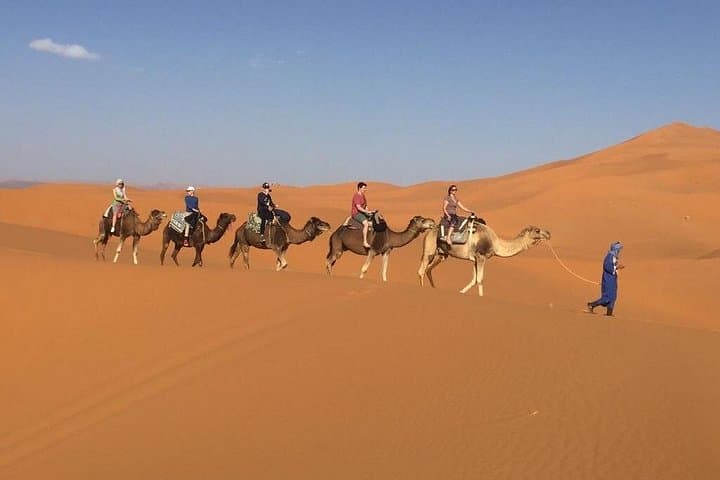
Travel from Marrakech over the Tizi n’Tichka pass to Ait Ben Haddou and the Draa Valley, ending with a sunset camel ride and an overnight Berber camp in Zagora. This two-day circuit blends driving, short cultural stops, and a gentle desert trek.
Travel from Marrakech over the Tizi n’Tichka pass to Ait Ben Haddou and the Draa Valley, ending with a sunset camel ride and an overnight Berber camp in Zagora. This two-day circuit blends driving, short cultural stops, and a gentle desert trek.
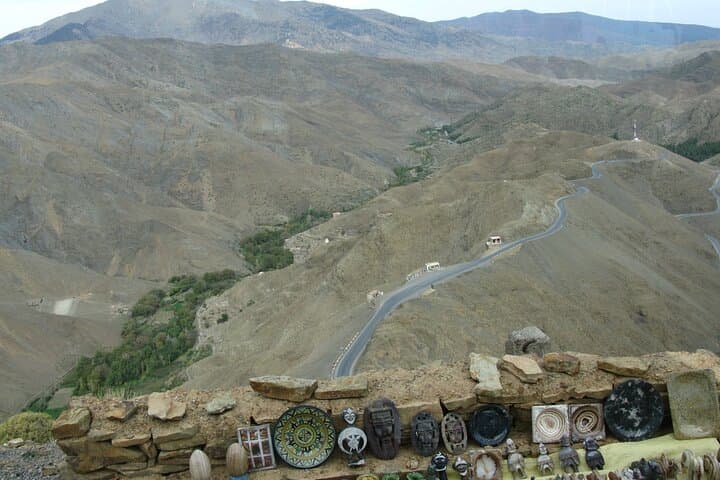
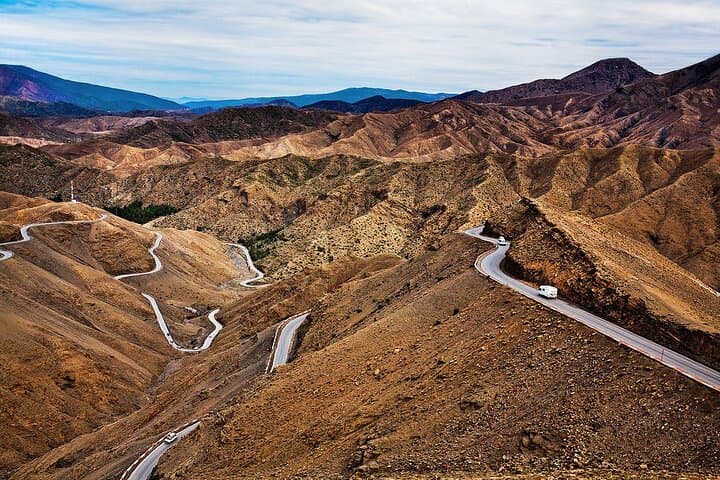
The sun drops behind the High Atlas as the minivan climbs Tizi n’Tichka; wind off the pass pushes a cool edge across your face and the road unwinds into ochre valleys.
Verified experiences and guided adventures in the surrounding area.
Operated by tour in Morocco · Zagora, Drâa-Tafilalet
The sun drops behind the High Atlas as the minivan climbs Tizi n’Tichka; wind off the pass pushes a cool edge across your face and the road unwinds into ochre valleys.
Over two days you move from the red city chaos of Marrakech into a quieter geography: kasbah towns of mud brick, the cinematic façades of Ouarzazate, and the green ribbon of the Draa palm groves before camels carry you into Zagora’s dunes for a night under Berber tents.
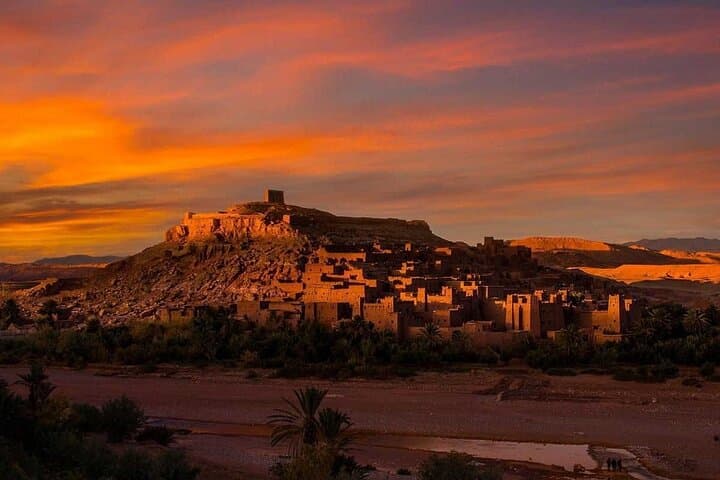
Ait Ben Haddou, a UNESCO kasbah on the route, traces centuries of caravan traffic and film history—its earthen walls rise from the plain because of local clay geology and seasonal river deposits. The drive crests Tizi n’Tichka at 2,260 meters, then descends roughly 1,500 meters toward the southern valleys, shifting from rocky passes to irrigated palm oases and loose sandy terrain on the approach to the camp.
Culturally, expect short guided stops at kasbahs, a cinema museum stop in Ouarzazate, and evenings with Berber music and shared meals. Practically: the tour covers roughly 700–800 km over two days with several multi-hour driving segments and short walks; camel treks across dunes are low-gradient but require basic balance.
Bring layered clothing for big day–night temperature swings, sun protection, and a small daypack for camera, water, and valuables. The experience is travel-heavy but accessible—ideal if you want a compact taste of Sahara landscapes, heritage sites, and a desert night without multi-day trekking.
Expect roughly 700–800 km over two days with several multi-hour driving segments; the itinerary includes stops at Ait Ben Haddou and Ouarzazate en route to Zagora.
Yes—the camel trek to the camp is a short, guided caravan across gentle dunes; handlers assist mounting and dismounting.
Standard desert camps typically provide a shared or private Berber tent, dinner and breakfast (half-board), basic bedding, and an evening music program as described in the itinerary.
Vegetarian options are usually available—advise the operator at booking to ensure meals meet dietary requirements.
tour in Morocco operates guided outdoor trips and adventures with an emphasis on safety, stewardship, and memorable experiences.
The sun drops behind the High Atlas as the minivan climbs Tizi n’Tichka; wind off the pass pushes a cool edge across your face and the road unwinds into ochre valleys.
The sun drops behind the High Atlas as the minivan climbs Tizi n’Tichka; wind off the pass pushes a cool edge across your face and the road unwinds into ochre valleys.
Over two days you move from the red city chaos of Marrakech into a quieter geography: kasbah towns of mud brick, the cinematic façades of Ouarzazate, and the green ribbon of the Draa palm groves before camels carry you into Zagora’s dunes for a night under Berber tents.
Ait Ben Haddou, a UNESCO kasbah on the route, traces centuries of caravan traffic and film history—its earthen walls rise from the plain because of local clay geology and seasonal river deposits. The drive crests Tizi n’Tichka at 2,260 meters, then descends roughly 1,500 meters toward the southern valleys, shifting from rocky passes to irrigated palm oases and loose sandy terrain on the approach to the camp.
Culturally, expect short guided stops at kasbahs, a cinema museum stop in Ouarzazate, and evenings with Berber music and shared meals. Practically: the tour covers roughly 700–800 km over two days with several multi-hour driving segments and short walks; camel treks across dunes are low-gradient but require basic balance.
Bring layered clothing for big day–night temperature swings, sun protection, and a small daypack for camera, water, and valuables. The experience is travel-heavy but accessible—ideal if you want a compact taste of Sahara landscapes, heritage sites, and a desert night without multi-day trekking.