THE ADVENTURE COLLECTIVE® · Independent discovery and booking for outdoor travel

A two-day homestay trek from Sapa that follows quiet village trails past sweeping rice terraces and bamboo forests. Perfect for travelers seeking cultural contact and scenic valley viewpoints away from the busiest routes.
A two-day homestay trek from Sapa that follows quiet village trails past sweeping rice terraces and bamboo forests. Perfect for travelers seeking cultural contact and scenic valley viewpoints away from the busiest routes.
Dawn in the Hoang Lien Son foothills pulls a cool breath across rice terraces and a pine-lined dirt trail. On this two-day route out of Sapa, trekkers descend through pine forest into open valleys where terraces tier like steps carved into the mountain. Small village houses appear between bamboo groves, and the trail keeps you close to fields, not crowds.
Verified experiences and guided adventures in the surrounding area.
Operated by Sapa Original Trek · Sapa, Lao Cai
Dawn in the Hoang Lien Son foothills pulls a cool breath across rice terraces and a pine-lined dirt trail. On this two-day route out of Sapa, trekkers descend through pine forest into open valleys where terraces tier like steps carved into the mountain. Small village houses appear between bamboo groves, and the trail keeps you close to fields, not crowds.
The area sits on the southern slopes of the eastern Himalaya foothills; the geology is steep, folded sedimentary rock that creates narrow ridges and deep valleys. Ethnically diverse, this region is home to Hmong and Red Dao communities whose weaving, indigo dyeing, and herbal-bath traditions remain visible in daily life. The route follows local footpaths between Suoi Ho, Giang Cha, Suoi Thau and Phin Ho, offering vistas toward the Chinese border and panoramic views of Ban Khoang valley.
Expect cultural moments as well as landscape ones: a simple wooden homestay, shared meals prepared with local produce, and the option of a traditional Dao herbal bath. Trails are quiet compared with Sapa’s town routes; rivers dare you to slow down and winds push you along exposed ridgelines.
Practically, plan for 10–14 km of walking each day on mixed dirt trails, terraces and occasional steep sections—comfortable hiking fitness is sufficient. Bring layered clothing for rapid temperature shifts, reliable footwear for muddy steps during rainy months, and small bills for local purchases. Start early to catch the clearest light on the terraces and to avoid afternoon showers. Guides manage logistics and village introductions, leaving you free to focus on the walk and the people you meet.
The route is rated moderate but is described as suitable for people who do not walk a lot; distances are manageable with steady pace and rest stops, and guides set the rhythm.
Simple wooden houses run by local families with shared sleeping areas and home-cooked meals; facilities are basic and cozy—bring a lightweight sleeping layer if you sleep cold.
Yes—operators note the trek is family-friendly, though parents should assess children’s comfort with 10 km days and variable trail conditions.
Yes—transport between Sapa and trailheads is included, and the tour is typically private with arranged pickup details provided at booking.
Sapa Original Trek operates guided outdoor trips and adventures with an emphasis on safety, stewardship, and memorable experiences.
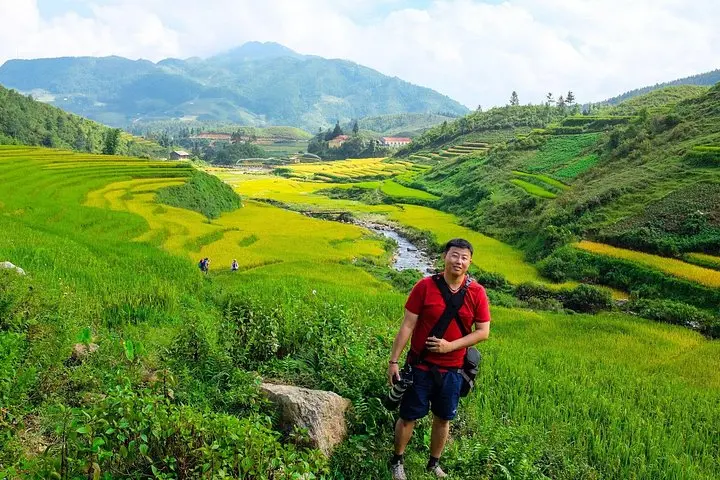
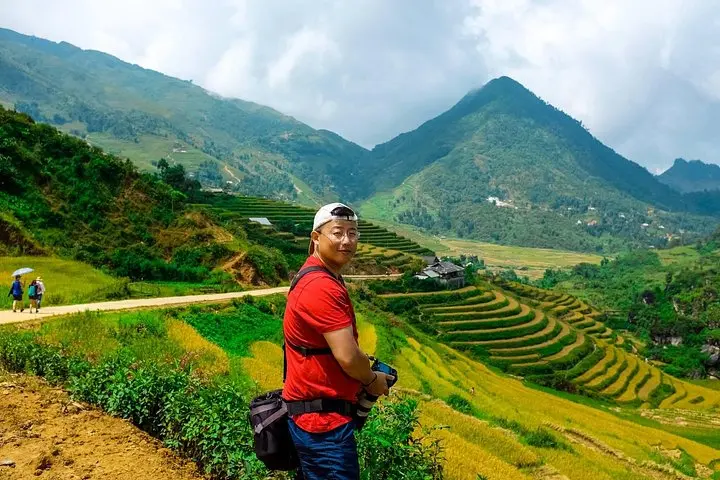
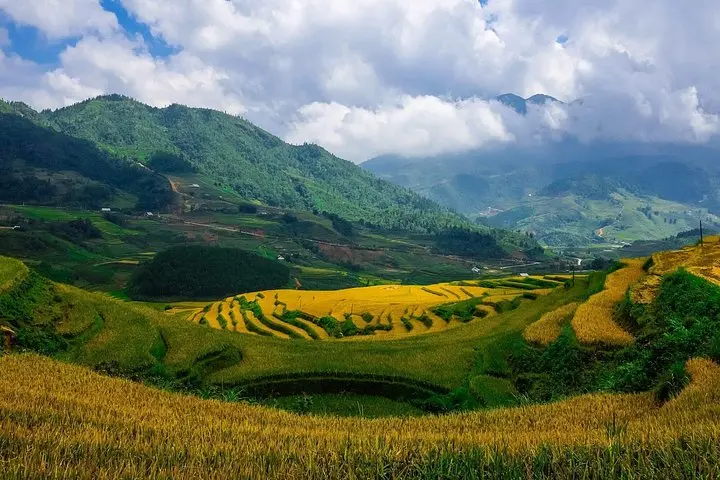
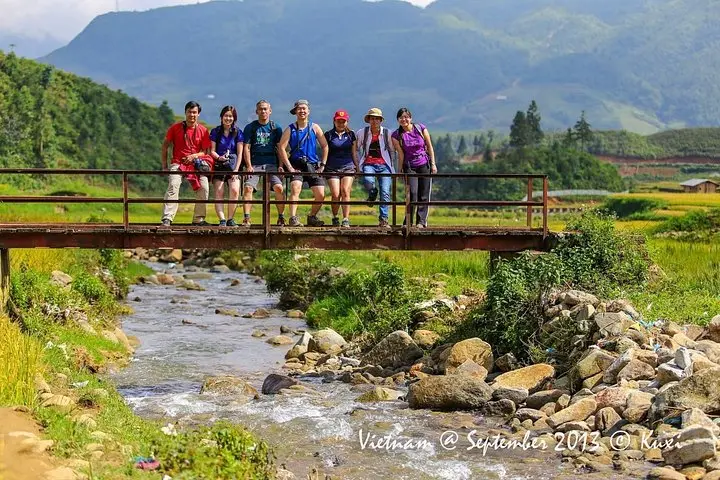
Dawn in the Hoang Lien Son foothills pulls a cool breath across rice terraces and a pine-lined dirt trail. On this two-day route out of Sapa, trekkers descend through pine forest into open valleys where terraces tier like steps carved into the mountain. Small village houses appear between bamboo groves, and the trail keeps you close to fields, not crowds.
Dawn in the Hoang Lien Son foothills pulls a cool breath across rice terraces and a pine-lined dirt trail. On this two-day route out of Sapa, trekkers descend through pine forest into open valleys where terraces tier like steps carved into the mountain. Small village houses appear between bamboo groves, and the trail keeps you close to fields, not crowds.
The area sits on the southern slopes of the eastern Himalaya foothills; the geology is steep, folded sedimentary rock that creates narrow ridges and deep valleys. Ethnically diverse, this region is home to Hmong and Red Dao communities whose weaving, indigo dyeing, and herbal-bath traditions remain visible in daily life. The route follows local footpaths between Suoi Ho, Giang Cha, Suoi Thau and Phin Ho, offering vistas toward the Chinese border and panoramic views of Ban Khoang valley.
Expect cultural moments as well as landscape ones: a simple wooden homestay, shared meals prepared with local produce, and the option of a traditional Dao herbal bath. Trails are quiet compared with Sapa’s town routes; rivers dare you to slow down and winds push you along exposed ridgelines.
Practically, plan for 10–14 km of walking each day on mixed dirt trails, terraces and occasional steep sections—comfortable hiking fitness is sufficient. Bring layered clothing for rapid temperature shifts, reliable footwear for muddy steps during rainy months, and small bills for local purchases. Start early to catch the clearest light on the terraces and to avoid afternoon showers. Guides manage logistics and village introductions, leaving you free to focus on the walk and the people you meet.