
Two-Day Siem Reap Tour: Angkor Wat Sunrise, Tonle Sap Floating Village & War History
Combine Angkor’s sunrise and temple circuit with a boat visit to Kampong Phluk and a guided history tour of the Khmer Rouge sites. This two-day private tour balances cultural immersion with practical logistics for early starts and hot, humid days.
An Adventure In Siem Reap.
Combine Angkor’s sunrise and temple circuit with a boat visit to Kampong Phluk and a guided history tour of the Khmer Rouge sites. This two-day private tour balances cultural immersion with practical logistics for early starts and hot, humid days.
Read the full experience
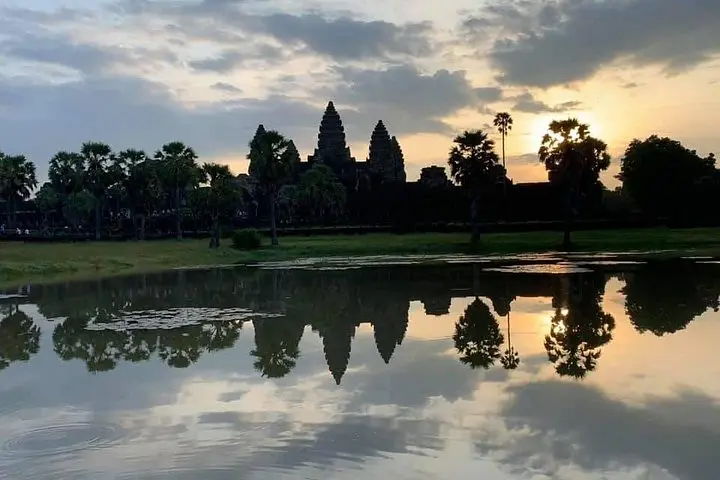
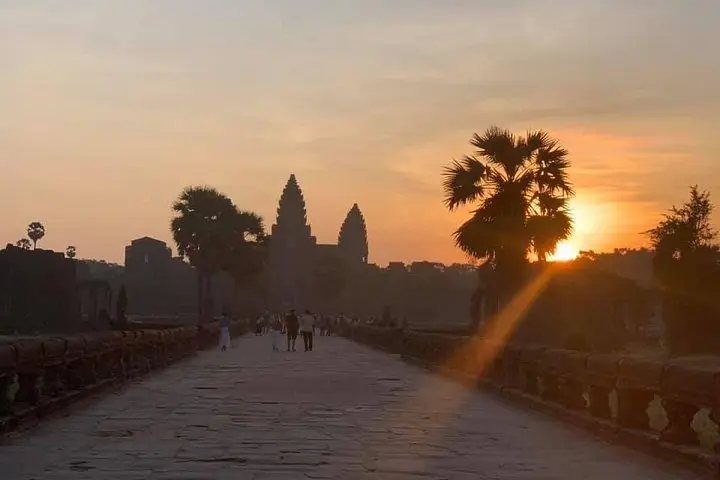
Before dawn on day two, the air over Angkor Wat tastes like cold metal and jasmine; silhouettes of towers pierce a low thermal fog while the moat mirrors stacked stone and the first thin bands of light. Day one begins differently — a 45-minute drive to Tonle Sap, then a slow boat that threads through stilts and reeds to Kampong Phluk, where houses rise eight metres above the water and families move with the lake’s mood.
Before dawn on day two, the air over Angkor Wat tastes like cold metal and jasmine; silhouettes of towers pierce a low thermal fog while the moat mirrors stacked stone and the first thin bands of light. Day one begins differently — a 45-minute drive to Tonle Sap, then a slow boat that threads through stilts and reeds to Kampong Phluk, where houses rise eight metres above the water and families move with the lake’s mood.
This itinerary crosses eras: the classical power of the Khmer Empire carved in Angkor’s bas-reliefs and temple galleries; the jungled, tree-wrapped faces of Ta Prohm; and the sombre memory of the Khmer Rouge at Wat Thmey where bones and testimony mark the 1970s genocide. Geologically, the Tonle Sap’s seasonal pulse — a floodplain that reverses flow — shapes livelihoods, while sandstone and laterite define the temples’ weathering.
Culturally, expect a live rhythm: morning markets, monks receiving alms, and guides who often share family history of conflict and recovery. Practicalities matter: Angkor Archaeological Park tickets are purchased separately, pickup for sunrise is around 5am, and modest dress (shoulders and knees covered) is required at temple sites and recommended at memorials.
Bring steady shoes for uneven stone, a water bottle and sun protection, and plan for emotional pauses at the killing fields. The two-day structure delivers sunrise drama, shaded temple walks, and an intimate look at lake-edge life — a compact but thoughtful immersion in Siem Reap’s landscape and history.
Frequently asked questions
Angkor Archaeological Park passes are typically not included—purchase a 1-, 3-, or 7-day pass at the official ticket center before visiting.
Pickup is usually around 5:00 AM to reach Angkor Wat before sunrise; exact time depends on hotel location and seasonal sunrise times.
The tour is generally suitable for families and older visitors who can manage short walks and boat transfers; those with mobility limits should advise the operator in advance.
Meals are not listed as included—there will be scheduled breaks for breakfast and lunch where you can choose local restaurants or cafes.
About This Experience
Angkor Doors operates guided outdoor trips and adventures with an emphasis on safety, stewardship, and memorable experiences.
Adventure tips
Recommended gear
- Breathable long-sleeve shirt: Protects against sun and mosquito bites while keeping you cooler than cotton.
- Comfortable walking shoes: Sturdy soles and good traction help on uneven temple stones and muddy paths.
- Wide-brim hat & sunscreen: Sun exposure is significant during mid-morning and midday temple visits.
- Small daypack: Carries water, ticket, camera, and a light rain layer for sudden showers.
Photos of the experience

Related adventures & guides
Read the full experience
Before dawn on day two, the air over Angkor Wat tastes like cold metal and jasmine; silhouettes of towers pierce a low thermal fog while the moat mirrors stacked stone and the first thin bands of light. Day one begins differently — a 45-minute drive to Tonle Sap, then a slow boat that threads through stilts and reeds to Kampong Phluk, where houses rise eight metres above the water and families move with the lake’s mood.
Before dawn on day two, the air over Angkor Wat tastes like cold metal and jasmine; silhouettes of towers pierce a low thermal fog while the moat mirrors stacked stone and the first thin bands of light. Day one begins differently — a 45-minute drive to Tonle Sap, then a slow boat that threads through stilts and reeds to Kampong Phluk, where houses rise eight metres above the water and families move with the lake’s mood.
This itinerary crosses eras: the classical power of the Khmer Empire carved in Angkor’s bas-reliefs and temple galleries; the jungled, tree-wrapped faces of Ta Prohm; and the sombre memory of the Khmer Rouge at Wat Thmey where bones and testimony mark the 1970s genocide. Geologically, the Tonle Sap’s seasonal pulse — a floodplain that reverses flow — shapes livelihoods, while sandstone and laterite define the temples’ weathering.
Culturally, expect a live rhythm: morning markets, monks receiving alms, and guides who often share family history of conflict and recovery. Practicalities matter: Angkor Archaeological Park tickets are purchased separately, pickup for sunrise is around 5am, and modest dress (shoulders and knees covered) is required at temple sites and recommended at memorials.
Bring steady shoes for uneven stone, a water bottle and sun protection, and plan for emotional pauses at the killing fields. The two-day structure delivers sunrise drama, shaded temple walks, and an intimate look at lake-edge life — a compact but thoughtful immersion in Siem Reap’s landscape and history.
Make a day of it nearby.
Verified experiences and guided adventures in the surrounding area.