THE ADVENTURE COLLECTIVE® · Independent discovery and booking for outdoor travel

Two full days of game drives cover Tarangire’s elephant-rich riverine plains and the dramatic bowl of Ngorongoro Crater. This short safari packs intense wildlife viewing with comfortable lodge nights and early-morning drives.
Two full days of game drives cover Tarangire’s elephant-rich riverine plains and the dramatic bowl of Ngorongoro Crater. This short safari packs intense wildlife viewing with comfortable lodge nights and early-morning drives.
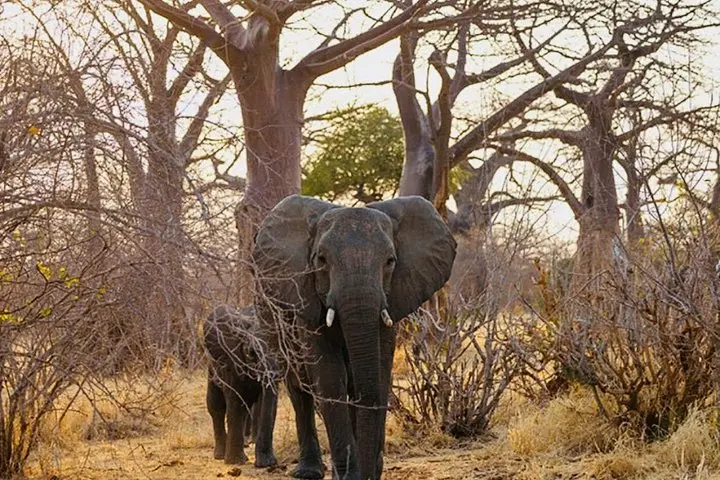
Dawn breaks over baobab silhouettes as the Land Cruiser threads a red dirt road toward Tarangire — elephants grazing in the low light, the river daring you to look closer. By midafternoon the landscape changes: skeletal acacias give way to the broad rim of Ngorongoro, an ancient volcanic caldera whose sheer drop frames a bowl of grassland, forest and water where wildlife concentrates.
Verified experiences and guided adventures in the surrounding area.
Operated by Afrishare Trekking and Safaris · Arusha, Arusha Region
Dawn breaks over baobab silhouettes as the Land Cruiser threads a red dirt road toward Tarangire — elephants grazing in the low light, the river daring you to look closer. By midafternoon the landscape changes: skeletal acacias give way to the broad rim of Ngorongoro, an ancient volcanic caldera whose sheer drop frames a bowl of grassland, forest and water where wildlife concentrates.
Geology here is blunt and readable: Ngorongoro is the collapsed cone of a giant volcano, its floor a micro-ecosystem ringed by steep walls. Tarangire’s plain is sculpted by seasonal floods and the Tarangire River, which concentrates elephants and predators. Culturally the region is Maasai country — you’ll pass grazing bomas and may see herders in distinctive red shuka cloth moving cattle. These landscapes are living history: both natural processes and long-standing pastoral cultures shaping what you see.
Practical guidance: this is a vehicle-based safari with two full days of game drives. Expect long drives between Arusha, Tarangire (2–3 hours), and Ngorongoro (about 1 hour from the lodge), early starts to catch predators, and cooler temperatures on the crater rim (bring a warm layer). Park fees, water, meals and a professional guide are typically included; tipping for guides and lodge staff is customary. Carry binoculars, sun protection, layered clothing, and a charged camera battery. Travel light, hydrate, and be ready for very good chances to see large mammals — including the Big Five — concentrated in predictable habitats.
Most operator packages include park fees, meals listed in the itinerary, bottled water and professional guiding—confirm specifics at booking.
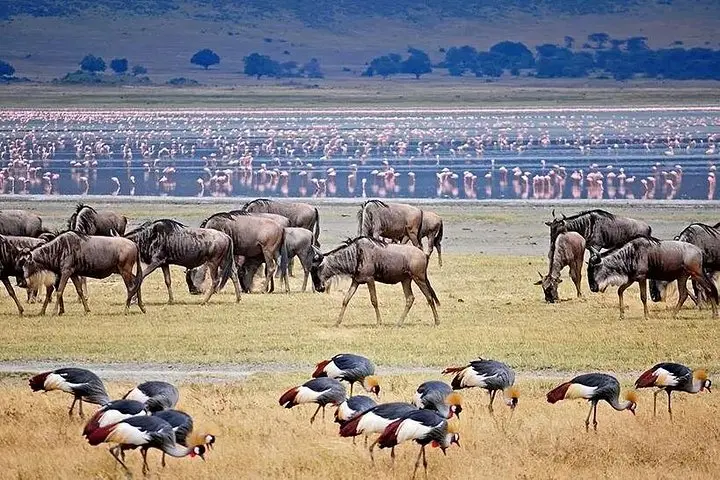
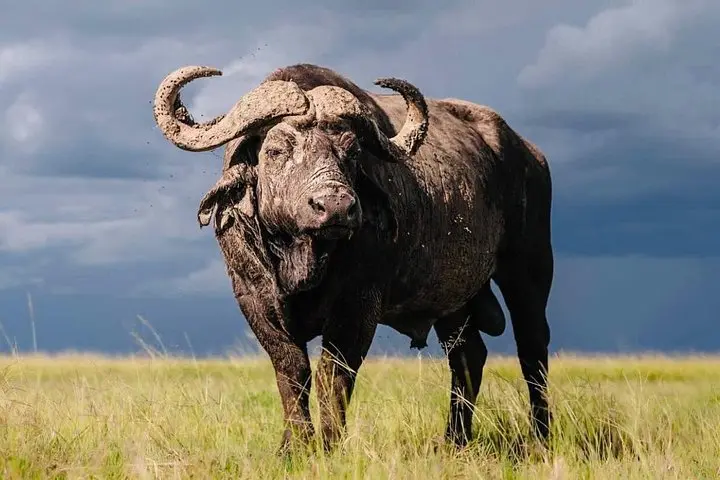
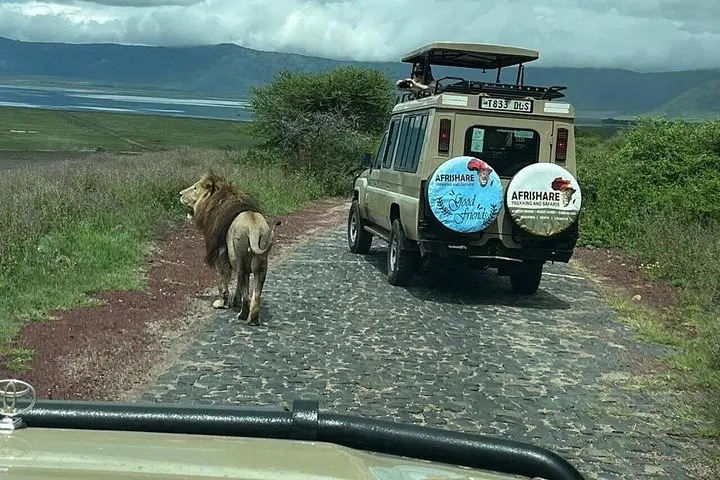
Tarangire and Ngorongoro both concentrate large mammals; chances are strong for elephants, buffalo and lions, with rhino and leopard sightings possible but less certain.
Malaria risk exists in northern Tanzania; consult your physician about prophylaxis, and use insect repellent and bedtime nets where provided.
The tour is vehicle-based and rated physically easy, but it’s not recommended for people with serious back or heart conditions; children should remain seated during drives.
Afrishare Trekking and Safaris operates guided outdoor trips and adventures with an emphasis on safety, stewardship, and memorable experiences.
Dawn breaks over baobab silhouettes as the Land Cruiser threads a red dirt road toward Tarangire — elephants grazing in the low light, the river daring you to look closer. By midafternoon the landscape changes: skeletal acacias give way to the broad rim of Ngorongoro, an ancient volcanic caldera whose sheer drop frames a bowl of grassland, forest and water where wildlife concentrates.
Dawn breaks over baobab silhouettes as the Land Cruiser threads a red dirt road toward Tarangire — elephants grazing in the low light, the river daring you to look closer. By midafternoon the landscape changes: skeletal acacias give way to the broad rim of Ngorongoro, an ancient volcanic caldera whose sheer drop frames a bowl of grassland, forest and water where wildlife concentrates.
Geology here is blunt and readable: Ngorongoro is the collapsed cone of a giant volcano, its floor a micro-ecosystem ringed by steep walls. Tarangire’s plain is sculpted by seasonal floods and the Tarangire River, which concentrates elephants and predators. Culturally the region is Maasai country — you’ll pass grazing bomas and may see herders in distinctive red shuka cloth moving cattle. These landscapes are living history: both natural processes and long-standing pastoral cultures shaping what you see.
Practical guidance: this is a vehicle-based safari with two full days of game drives. Expect long drives between Arusha, Tarangire (2–3 hours), and Ngorongoro (about 1 hour from the lodge), early starts to catch predators, and cooler temperatures on the crater rim (bring a warm layer). Park fees, water, meals and a professional guide are typically included; tipping for guides and lodge staff is customary. Carry binoculars, sun protection, layered clothing, and a charged camera battery. Travel light, hydrate, and be ready for very good chances to see large mammals — including the Big Five — concentrated in predictable habitats.