THE ADVENTURE COLLECTIVE® · Independent discovery and booking for outdoor travel

In 48 hours this guided safari pairs Tarangire’s baobab-studded plains and elephant herds with the predator-rich floor of Ngorongoro Crater. Expect early starts, long drives, and concentrated wildlife viewing with a campsite overnight.
In 48 hours this guided safari pairs Tarangire’s baobab-studded plains and elephant herds with the predator-rich floor of Ngorongoro Crater. Expect early starts, long drives, and concentrated wildlife viewing with a campsite overnight.
Dawn breaks over an open savanna and the roof of a 4x4 collects the first dust of the day. In Tarangire the silhouettes of baobab trunks puncture the horizon while herds of elephants move like slow tides through the grass. By the second morning you are on the rim of Ngorongoro, looking down into a vast hollow where wildebeest graze and lions nap in shaded pockets.
Verified experiences and guided adventures in the surrounding area.
Operated by Safari G.O.A.T.S · Arusha, Arusha Region
Dawn breaks over an open savanna and the roof of a 4x4 collects the first dust of the day. In Tarangire the silhouettes of baobab trunks puncture the horizon while herds of elephants move like slow tides through the grass. By the second morning you are on the rim of Ngorongoro, looking down into a vast hollow where wildebeest graze and lions nap in shaded pockets.
Geology and history anchor the route: Ngorongoro is the world’s largest unbroken caldera formed by a collapsed volcano millions of years ago, and Tarangire’s low-lying floodplains change character between dry and wet seasons, concentrating game around Silale Swamp. The Maasai people have grazed these lands for generations; their stock and seasonal grazing patterns remain woven into park management and local culture.
Expect structured game drives—roughly half-day sessions with a picnic at Hippo Pool—paired with one night at a basic campsite. Vehicles are usually open-sided 4x4s with experienced guides who track behavior and interpret sightings. Wildlife is the focus: large elephant families in Tarangire, dense predator populations and waterfowl in Ngorongoro’s crater floor.
Practical edge: departures are early (around 06:00–08:00), roads can be dusty or muddy depending on rains, and temperatures swing from cool mornings at high elevation to hot midday. Bring layers, sun protection, binoculars, and local currency for small purchases or tips. Follow your guide, keep windows partially closed near big game, and plan for long drives between parks—this short itinerary compresses two iconic ecosystems into 48 hours.
The tour lists 'All Fees and Taxes' as included, but operators sometimes exclude specific conservation or crater fees—confirm with the provider before booking.
Accommodation is a basic campsite for one night during the safari; expect tented or communal campsite facilities rather than lodges.
Pickups are typically around 06:00–08:00 from Arusha or Moshi; each park game drive can last around 4–6 hours with additional driving between parks and your base.
Wildlife sightings cannot be guaranteed, but Tarangire is well known for elephants and Ngorongoro has a high density of predators and varied species, giving strong odds of seeing several Big Five animals.
Safari G.O.A.T.S operates guided outdoor trips and adventures with an emphasis on safety, stewardship, and memorable experiences.
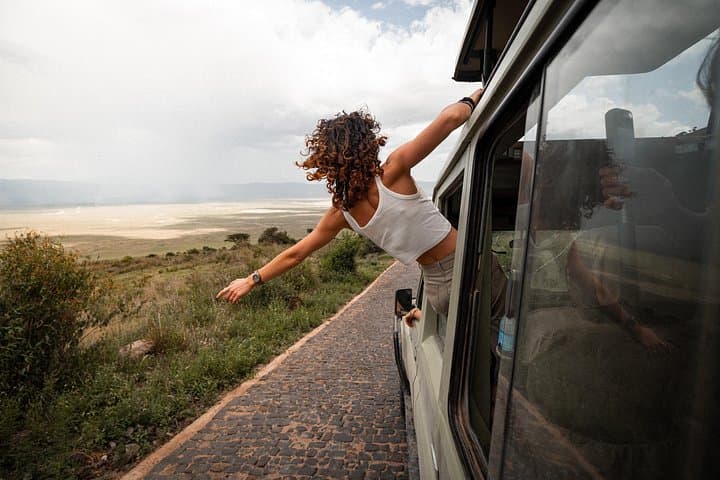
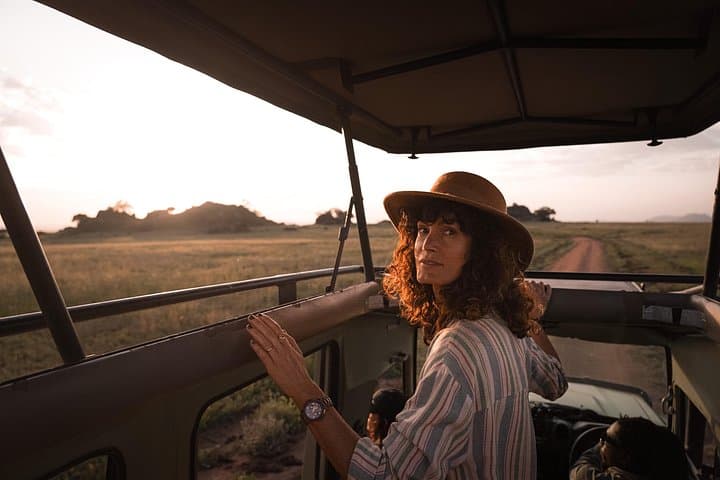
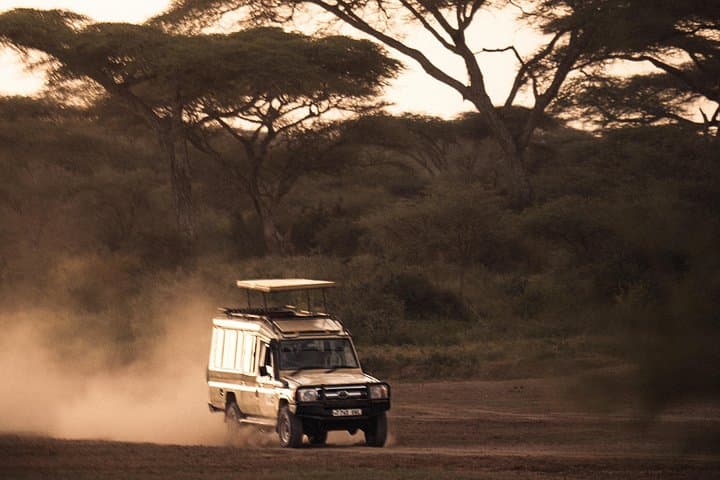
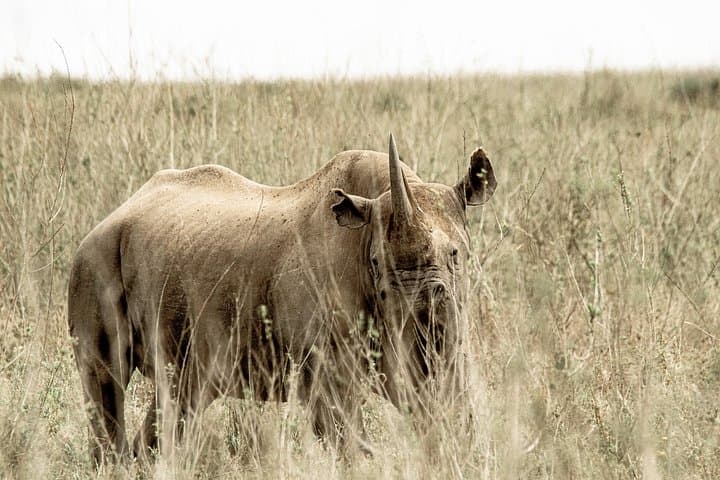
Dawn breaks over an open savanna and the roof of a 4x4 collects the first dust of the day. In Tarangire the silhouettes of baobab trunks puncture the horizon while herds of elephants move like slow tides through the grass. By the second morning you are on the rim of Ngorongoro, looking down into a vast hollow where wildebeest graze and lions nap in shaded pockets.
Dawn breaks over an open savanna and the roof of a 4x4 collects the first dust of the day. In Tarangire the silhouettes of baobab trunks puncture the horizon while herds of elephants move like slow tides through the grass. By the second morning you are on the rim of Ngorongoro, looking down into a vast hollow where wildebeest graze and lions nap in shaded pockets.
Geology and history anchor the route: Ngorongoro is the world’s largest unbroken caldera formed by a collapsed volcano millions of years ago, and Tarangire’s low-lying floodplains change character between dry and wet seasons, concentrating game around Silale Swamp. The Maasai people have grazed these lands for generations; their stock and seasonal grazing patterns remain woven into park management and local culture.
Expect structured game drives—roughly half-day sessions with a picnic at Hippo Pool—paired with one night at a basic campsite. Vehicles are usually open-sided 4x4s with experienced guides who track behavior and interpret sightings. Wildlife is the focus: large elephant families in Tarangire, dense predator populations and waterfowl in Ngorongoro’s crater floor.
Practical edge: departures are early (around 06:00–08:00), roads can be dusty or muddy depending on rains, and temperatures swing from cool mornings at high elevation to hot midday. Bring layers, sun protection, binoculars, and local currency for small purchases or tips. Follow your guide, keep windows partially closed near big game, and plan for long drives between parks—this short itinerary compresses two iconic ecosystems into 48 hours.