THE ADVENTURE COLLECTIVE® · Independent discovery and booking for outdoor travel
A two-day guided trek from Imlil to the roof of North Africa: climb from 1,775 m to 4,167 m with local Berber guides, an overnight at the refuge, and sunrise summit views. Ideal for fit hikers prepared for steep trails and possible snow.
A two-day guided trek from Imlil to the roof of North Africa: climb from 1,775 m to 4,167 m with local Berber guides, an overnight at the refuge, and sunrise summit views. Ideal for fit hikers prepared for steep trails and possible snow.
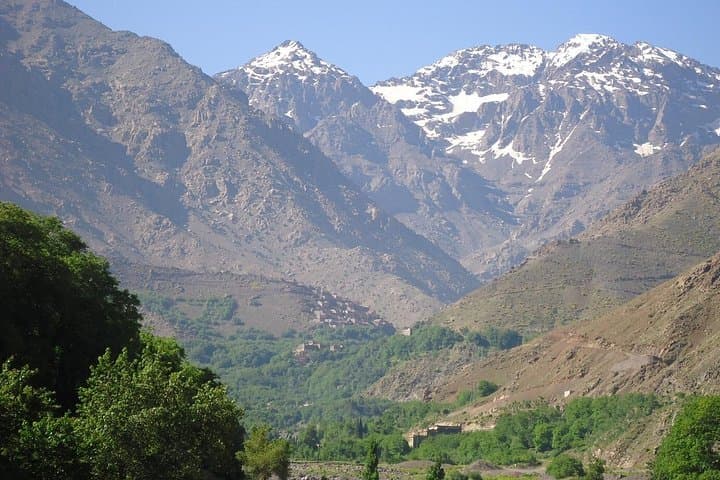
You leave Marrakech’s ochre heat behind and climb into a green, stony valley where mule tracks and terraced fields point the way. The road to Imlil tightens and the air cools; the village at 1,775 m is a last human pause before the mountain takes over. Your guide leads the line past the shrine of Sidi Chamharouch, through dwarf pines and scree, until the refuge appears like a weathered promise at 3,207 m — mint tea steaming on arrival.
Verified experiences and guided adventures in the surrounding area.
Operated by Atlas and Sahara Tours · Marrakech, Marrakech-Safi
You leave Marrakech’s ochre heat behind and climb into a green, stony valley where mule tracks and terraced fields point the way. The road to Imlil tightens and the air cools; the village at 1,775 m is a last human pause before the mountain takes over. Your guide leads the line past the shrine of Sidi Chamharouch, through dwarf pines and scree, until the refuge appears like a weathered promise at 3,207 m — mint tea steaming on arrival.
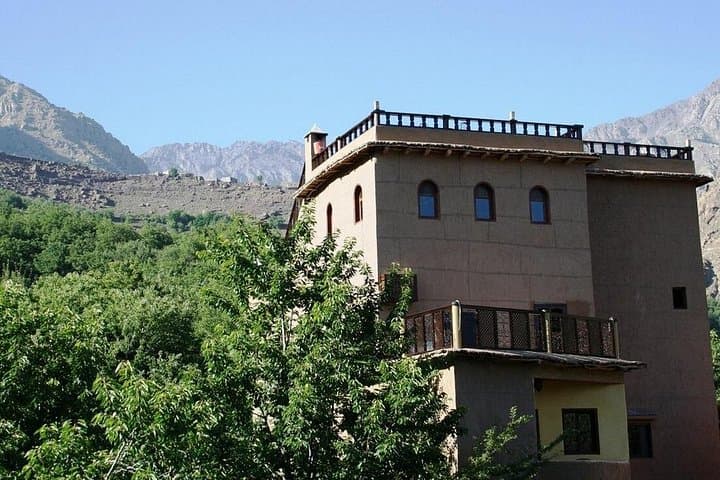
This is the High Atlas: folded crust pushed up by the collision of African and Eurasian plates, carved into ridges of schist and limestone. Berber villages cling to valley benches, and centuries of shepherding and small-scale agriculture shape the human story here. The trail combines pastoral paths, rocky steps and broad, exposed slopes that channel wind and weather.
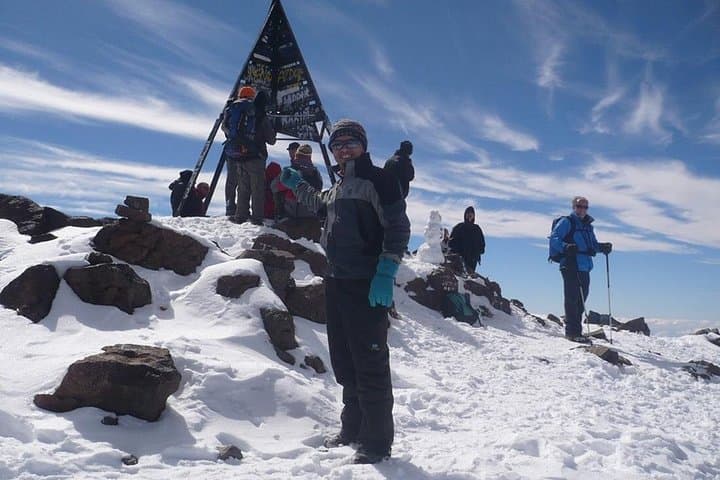
Practical rhythm matters: day one is a steady 5–6 hour climb to the refuge (≈1,430 m gain). Day two begins before dawn for a 3–4 hour push to 4,167 m summit and a long descent back to Imlil. Expect steep, loose sections and strong sun; if snow persists, boots and poles are critical.
Bring layers, hydrate, and move deliberately — pace beats haste at altitude. Guides manage logistics, shelter and timing, but fitness and respect for alpine conditions make the difference between a hard day and a safe, memorable summit. The reward is not just a peak photo but the view of green valleys and scattered Berber roofs folding away beneath the High Atlas.
It’s a challenging itinerary: about 1,400 m gain to the refuge on day one and another ≈960 m to the summit on day two; expect long, steady hiking and altitude effects.
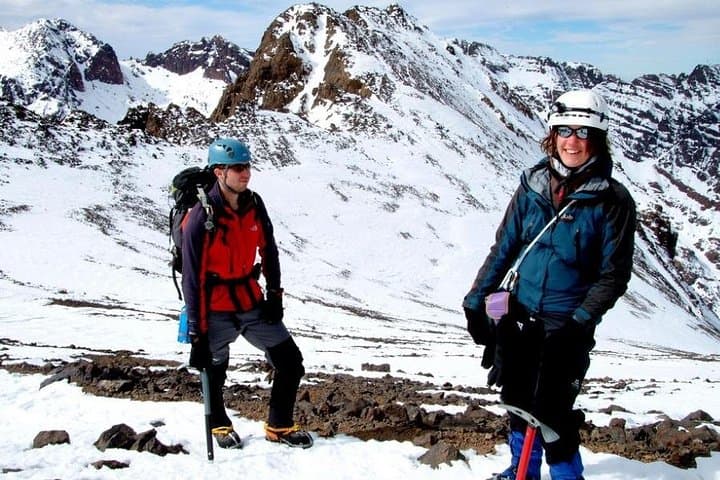
For summer conditions no technical gear is required beyond trekking poles and sturdy boots; in winter or spring, crampons and ice axe may be needed depending on snow.
The package includes one night in a shared dormitory-style refuge with basic facilities; sleeping bags are provided by the operator.
Operators may cancel for severe weather or insufficient travelers and advise against participation if you have heart or spinal conditions; full refunds typically apply if canceled 24+ hours before departure.
Atlas and Sahara Tours operates guided outdoor trips and adventures with an emphasis on safety, stewardship, and memorable experiences.
You leave Marrakech’s ochre heat behind and climb into a green, stony valley where mule tracks and terraced fields point the way. The road to Imlil tightens and the air cools; the village at 1,775 m is a last human pause before the mountain takes over. Your guide leads the line past the shrine of Sidi Chamharouch, through dwarf pines and scree, until the refuge appears like a weathered promise at 3,207 m — mint tea steaming on arrival.
You leave Marrakech’s ochre heat behind and climb into a green, stony valley where mule tracks and terraced fields point the way. The road to Imlil tightens and the air cools; the village at 1,775 m is a last human pause before the mountain takes over. Your guide leads the line past the shrine of Sidi Chamharouch, through dwarf pines and scree, until the refuge appears like a weathered promise at 3,207 m — mint tea steaming on arrival.
This is the High Atlas: folded crust pushed up by the collision of African and Eurasian plates, carved into ridges of schist and limestone. Berber villages cling to valley benches, and centuries of shepherding and small-scale agriculture shape the human story here. The trail combines pastoral paths, rocky steps and broad, exposed slopes that channel wind and weather.
Practical rhythm matters: day one is a steady 5–6 hour climb to the refuge (≈1,430 m gain). Day two begins before dawn for a 3–4 hour push to 4,167 m summit and a long descent back to Imlil. Expect steep, loose sections and strong sun; if snow persists, boots and poles are critical.
Bring layers, hydrate, and move deliberately — pace beats haste at altitude. Guides manage logistics, shelter and timing, but fitness and respect for alpine conditions make the difference between a hard day and a safe, memorable summit. The reward is not just a peak photo but the view of green valleys and scattered Berber roofs folding away beneath the High Atlas.
