THE ADVENTURE COLLECTIVE® · Independent discovery and booking for outdoor travel

A private two-day tour that pairs the Terracotta Army with Xi'an’s major museums, offering long guided visits to the Qin and Han-era sites plus the Stone Steles Museum. Ideal for travelers who want depth, interpretation, and manageable walking between world-class displays.
A private two-day tour that pairs the Terracotta Army with Xi'an’s major museums, offering long guided visits to the Qin and Han-era sites plus the Stone Steles Museum. Ideal for travelers who want depth, interpretation, and manageable walking between world-class displays.
You step from the bus into a courtyard of clay faces—rows of life-sized figures holding an invisible line of command. Wind moves across the flat Loess Plateau; the terracotta ranks seem to shift their stare as you walk the glassed pathways. Over two days this private, guided tour moves from the battlefield of the First Emperor’s afterlife to quiet museum courtyards where carved steles and lacquered artifacts hold conversation across millennia.
Verified experiences and guided adventures in the surrounding area.
Operated by Xi'an Food Tour · Xi'an, Shaanxi
You step from the bus into a courtyard of clay faces—rows of life-sized figures holding an invisible line of command. Wind moves across the flat Loess Plateau; the terracotta ranks seem to shift their stare as you walk the glassed pathways. Over two days this private, guided tour moves from the battlefield of the First Emperor’s afterlife to quiet museum courtyards where carved steles and lacquered artifacts hold conversation across millennia.
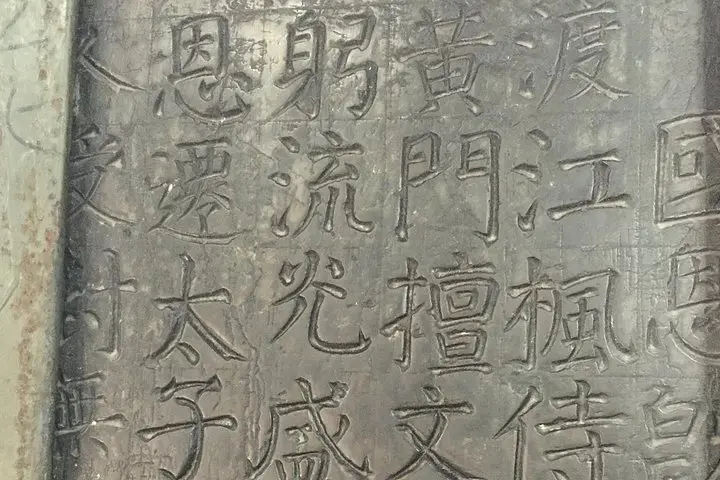
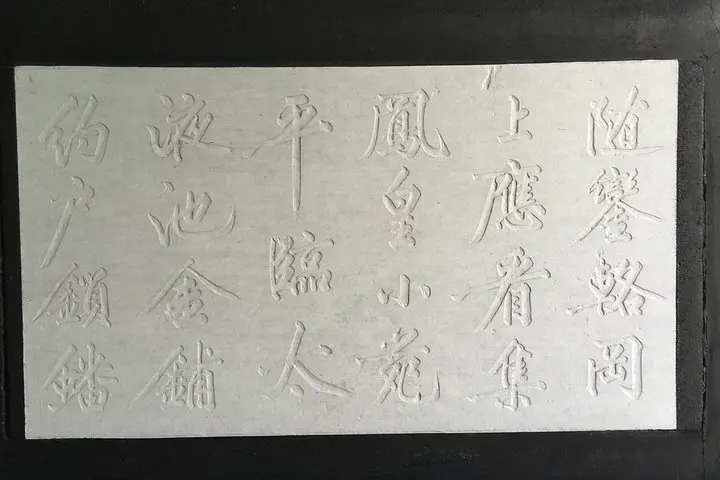
Xi'an was the political heart for more than a thousand years and the capital of 13 dynasties. The Terracotta Army (c. 210 BCE) speaks to imperial scale and funerary engineering; nearby Han tomb complexes and the Shaanxi History Museum map the city’s role in China’s early imperial and Silk Road eras. The Stone Steles Museum offers a clear line through script evolution—stone cutting that made words survive where paper did not.
Expect extensive walking on uneven museum floors, covered outdoor passages, and short drives between sites in Lintong and central Xi'an. Mornings are best for avoiding crowds at the pits; late afternoons soften the light on brick courtyards and the Xi'an City Wall. Practical notes: bring a daypack, water and comfortable shoes; museums enforce no-touch rules and sometimes limit flash photography.
This itinerary suits history-minded travelers who want depth over speed: long interpretive visits, curated exhibits, and a private guide to connect artifacts to broader dynastic, archaeological, and conservation stories. With simple planning—timing, tickets, and sensible footwear—the past opens in accessible, deliberate stages.
This private tour includes entrance tickets to listed museums and the Terracotta pits as noted in the itinerary.
Yes: private transportation is provided between attractions; specific pickup points are requested at booking.
Travelers should have moderate fitness; long standing periods and walking may challenge very young children or those with mobility limits—check accessibility at each site.
Photography rules vary; flash is often prohibited and some exhibits have stricter limits—follow the guide and posted signs.
Xi'an Food Tour operates guided outdoor trips and adventures with an emphasis on safety, stewardship, and memorable experiences.
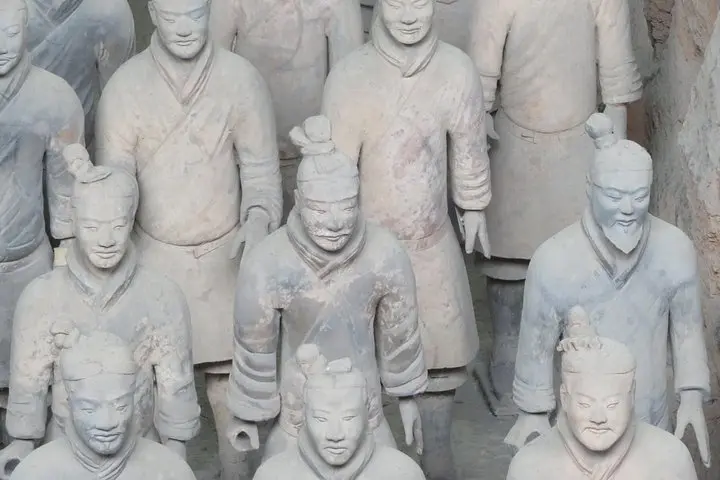
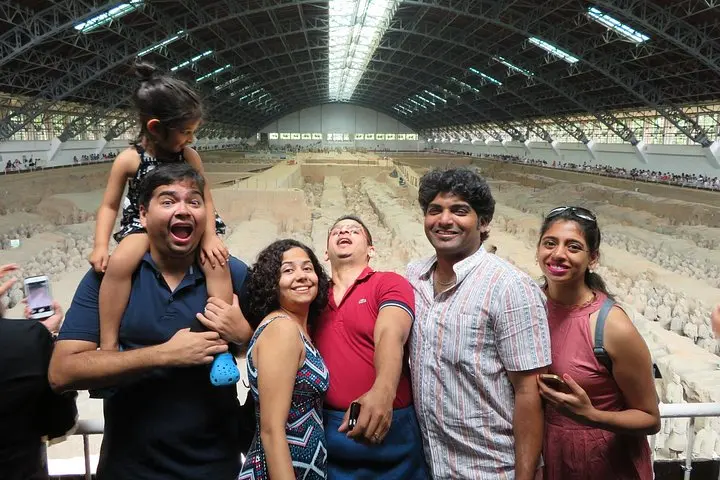
You step from the bus into a courtyard of clay faces—rows of life-sized figures holding an invisible line of command. Wind moves across the flat Loess Plateau; the terracotta ranks seem to shift their stare as you walk the glassed pathways. Over two days this private, guided tour moves from the battlefield of the First Emperor’s afterlife to quiet museum courtyards where carved steles and lacquered artifacts hold conversation across millennia.
You step from the bus into a courtyard of clay faces—rows of life-sized figures holding an invisible line of command. Wind moves across the flat Loess Plateau; the terracotta ranks seem to shift their stare as you walk the glassed pathways. Over two days this private, guided tour moves from the battlefield of the First Emperor’s afterlife to quiet museum courtyards where carved steles and lacquered artifacts hold conversation across millennia.
Xi'an was the political heart for more than a thousand years and the capital of 13 dynasties. The Terracotta Army (c. 210 BCE) speaks to imperial scale and funerary engineering; nearby Han tomb complexes and the Shaanxi History Museum map the city’s role in China’s early imperial and Silk Road eras. The Stone Steles Museum offers a clear line through script evolution—stone cutting that made words survive where paper did not.
Expect extensive walking on uneven museum floors, covered outdoor passages, and short drives between sites in Lintong and central Xi'an. Mornings are best for avoiding crowds at the pits; late afternoons soften the light on brick courtyards and the Xi'an City Wall. Practical notes: bring a daypack, water and comfortable shoes; museums enforce no-touch rules and sometimes limit flash photography.
This itinerary suits history-minded travelers who want depth over speed: long interpretive visits, curated exhibits, and a private guide to connect artifacts to broader dynastic, archaeological, and conservation stories. With simple planning—timing, tickets, and sensible footwear—the past opens in accessible, deliberate stages.