THE ADVENTURE COLLECTIVE® · Independent discovery and booking for outdoor travel
A compact two-day circuit from Marrakech to Zagora that combines High Atlas passes, the kasbahs of Ait Ben Haddou and Ouarzazate, a palm-fringed Draa Valley drive, and an overnight in a desert camp reached by camel. Ideal for travelers short on time who still want a genuine Sahara night.
A compact two-day circuit from Marrakech to Zagora that combines High Atlas passes, the kasbahs of Ait Ben Haddou and Ouarzazate, a palm-fringed Draa Valley drive, and an overnight in a desert camp reached by camel. Ideal for travelers short on time who still want a genuine Sahara night.
The convoy slips out of Marrakech before dawn, tires whispering over the road as the High Atlas rises and the light hardens.
Verified experiences and guided adventures in the surrounding area.
Operated by Awesome Morocco Tours · Zagora, Drâa-Tafilalet
The convoy slips out of Marrakech before dawn, tires whispering over the road as the High Atlas rises and the light hardens.
By midmorning the landscape has changed to ochre kasbahs and terraced slopes; cast-earthen walls along the route mark old caravan lines. Travelers pass Tizi n’Tichka’s mountain spine and descend toward Ouarzazate, the “Hollywood of Morocco,” where film studios and the red-baked Kasbah Taourirt punctuate the valley.
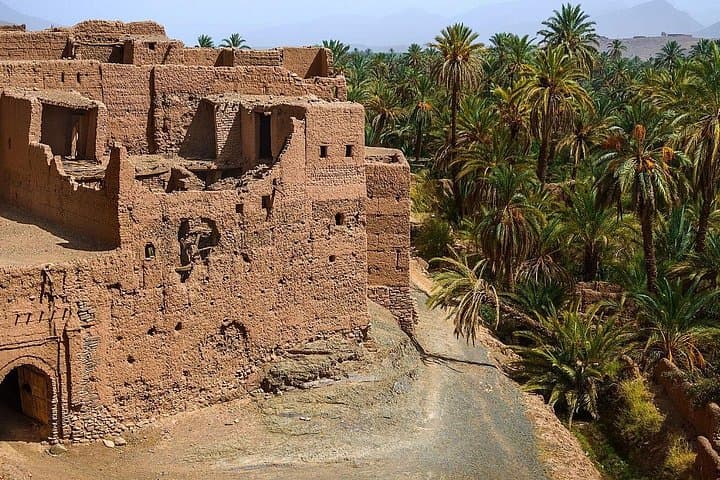
Geology here is blunt and honest — folded volcanic ridges give way to the alluvial Draa Valley, a green ribbon of palm groves and irrigated fields that once sustained trans-Saharan caravans. Zagora, the last settled town before the dunes, lives on date palms, kasbah clusters, and a rhythm set by seasonal water and wind.
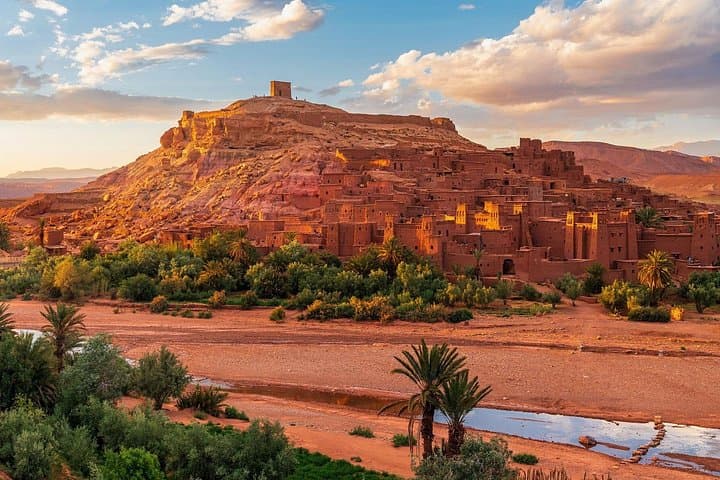
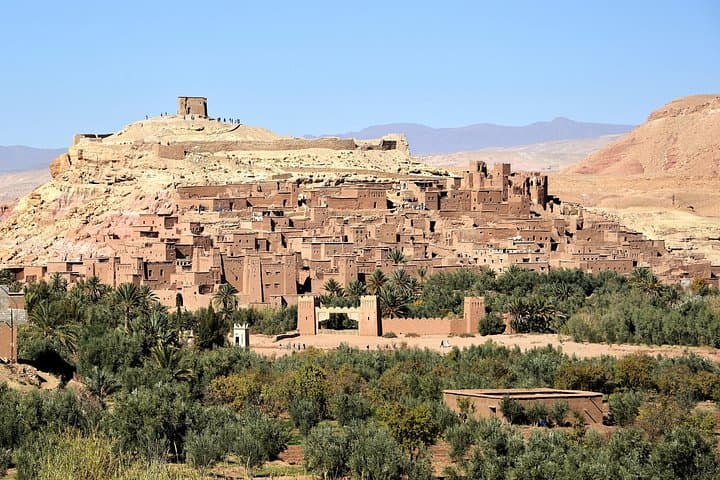
The tour compresses that history into two days: a screened-in drive through mountain passes, a stop at Ait Ben Haddou’s 17th-century ksar, and a late-afternoon camel trek into dunes to reach a desert camp. Nights are clear and immense; stars crowd the sky while local musicians play around the fire.
Practicalities are straightforward. Expect long stretches in an air-conditioned minibus, roughly 200 km to Ouarzazate and several hours further to Zagora; plan for early starts (pickup around 7:00–7:45), moderate fitness for short camel rides (≈90 minutes), and basic camping comfort. Bring sun protection, refillable water, layered clothing for hot days and cool desert nights, and a sense of patience for road travel — the payoff is wide desert light, intimate cultural stops, and a genuine night under Saharan stars.
The camel trek is about 1 to 1.5 hours each way, designed for beginners with experienced handlers leading the caravan.
Yes—some operators offer the choice of overnighting in a Zagora hotel or an authentic desert camp; confirm when booking.
The tour notes that infants can be accommodated but it’s not recommended for pregnant travelers or those with serious heart conditions—check restrictions before booking.
Spring and autumn offer the most comfortable temperatures; summer is very hot, and winter nights can be cold.
Awesome Morocco Tours operates guided outdoor trips and adventures with an emphasis on safety, stewardship, and memorable experiences.
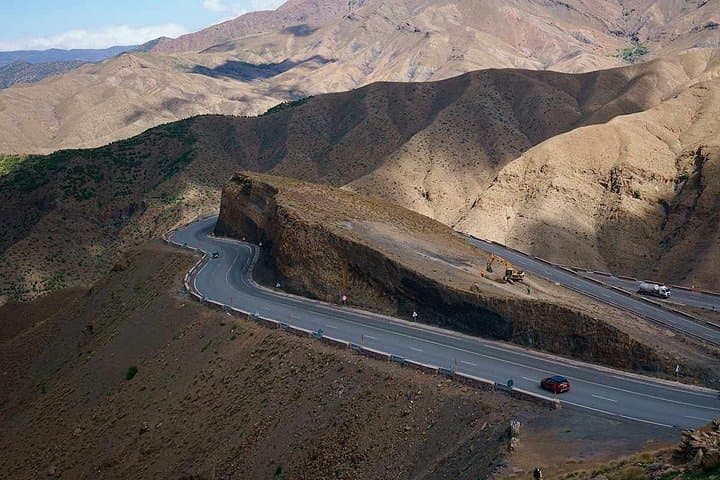
The convoy slips out of Marrakech before dawn, tires whispering over the road as the High Atlas rises and the light hardens.
The convoy slips out of Marrakech before dawn, tires whispering over the road as the High Atlas rises and the light hardens.
By midmorning the landscape has changed to ochre kasbahs and terraced slopes; cast-earthen walls along the route mark old caravan lines. Travelers pass Tizi n’Tichka’s mountain spine and descend toward Ouarzazate, the “Hollywood of Morocco,” where film studios and the red-baked Kasbah Taourirt punctuate the valley.
Geology here is blunt and honest — folded volcanic ridges give way to the alluvial Draa Valley, a green ribbon of palm groves and irrigated fields that once sustained trans-Saharan caravans. Zagora, the last settled town before the dunes, lives on date palms, kasbah clusters, and a rhythm set by seasonal water and wind.
The tour compresses that history into two days: a screened-in drive through mountain passes, a stop at Ait Ben Haddou’s 17th-century ksar, and a late-afternoon camel trek into dunes to reach a desert camp. Nights are clear and immense; stars crowd the sky while local musicians play around the fire.
Practicalities are straightforward. Expect long stretches in an air-conditioned minibus, roughly 200 km to Ouarzazate and several hours further to Zagora; plan for early starts (pickup around 7:00–7:45), moderate fitness for short camel rides (≈90 minutes), and basic camping comfort. Bring sun protection, refillable water, layered clothing for hot days and cool desert nights, and a sense of patience for road travel — the payoff is wide desert light, intimate cultural stops, and a genuine night under Saharan stars.
